
The best hiking trekking shoes keep you comfortable and protected over long-distance miles, where cushioning, durability, and grip matter most. This roundup compares six shoes built for thru-hikes and big days by comfort, support, and traction, and notes how 2025-2026 footwear tariffs are lifting prices.
Our top picks


As an Amazon Associate we earn from qualifying purchases at no extra cost to you.
As an Amazon Associate we earn from qualifying purchases.
🛒 Best Price Today on Amazon
Prime members get fast, free shipping on everything above, plus member-only deals. New members get a 30-day free trial — cancel anytime.
How to Choose the Best Hiking Trekking Shoes
Choosing the best hiking trekking shoes for long distances starts with cushioning and durability, then support and breathability. Since footwear is almost entirely imported, 2025-2026 tariffs are pushing prices up, so a durable pair that survives big miles is the smart long-term buy.
Cushioning for Long Miles
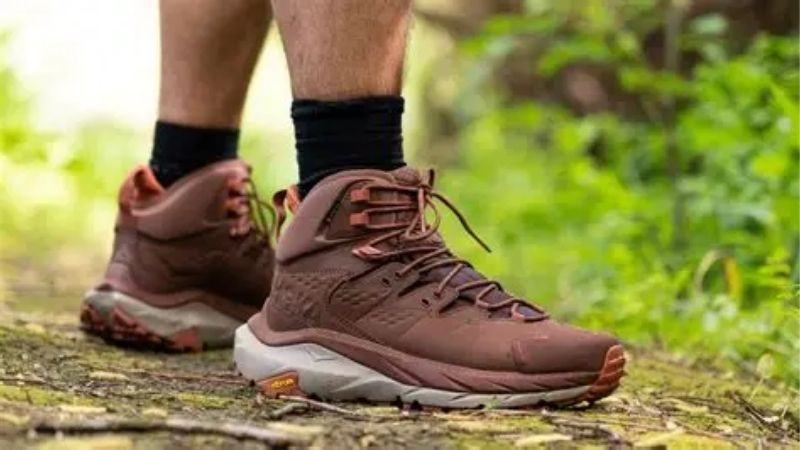
Over long trekking days, cushioning protects your feet and legs from repetitive pounding. A taller, softer midsole soaks up rocky trails and reduces fatigue late in the day, which is why many long-distance hikers favor plush, high-stack shoes.
Too much softness can feel unstable on uneven ground, so look for cushioning paired with a stable platform. The right balance keeps you comfortable at mile twenty without your ankles rolling on off-camber sections or loose scree along the route.
Insoles matter as much as the midsole. Many trekkers upgrade the stock insole for better arch support on long days, which can transform comfort without changing the shoe. Test any new insole on shorter walks before committing to a big trip.
Durability for Distance
Trekking shoes take a beating over hundreds of miles, so durable uppers and outsoles pay off. Reinforced toe caps, sturdy mesh, and abrasion-resistant overlays resist the wear that shreds flimsy shoes well before a long trek is done.
Outsole rubber wears with distance too. Harder compounds last longer on rocky trails, while very sticky rubber grips better but wears faster, so balance grip against longevity based on the terrain and total mileage you expect to cover.
Durability also protects your budget as prices climb. Footwear is largely imported and 2025 tariffs pushed costs up, with more increases expected in 2026, so a shoe that survives a full thru-hike is better value than replacing cheaper pairs midway.
Support and Stability
Long treks with a pack demand a stable platform. A supportive chassis and firm heel counter keep your foot aligned over rough miles, reducing fatigue and the ankle rolls that plague soft, unstructured shoes on technical, uneven terrain.
Support should match your load and mileage. Light day loads pair well with flexible shoes, while heavier packs and longer days benefit from more structure underfoot to protect tired feet over the final rough miles to camp each evening.
Trekking poles complement shoe support on long distances, taking load off your legs and improving balance on descents. Pairing decent poles with a stable shoe often works better than chasing the stiffest, heaviest footwear you can find for the trip.
Fit and Breathability
Fit is critical over distance, since small rubs become big blisters after twenty miles. Your heel should lock in without toe cramming, and a roomy toe box lets swollen feet splay late in the day when they expand from hours on the trail.
Feet swell on long treks, so many hikers size up a half size for distance. Try shoes on late in the day with trekking socks, and choose breathable mesh uppers that drain and dry fast after stream crossings on hot, long stages.
Breathable, quick-drying shoes usually beat waterproof ones for long treks, since a flooded membrane stays wet for days. Pair mesh shoes with wool socks and gaiters to handle dust and short crossings without trapping moisture against your skin.
Top Picks for the Best Hiking Trekking Shoes
These six picks for the best hiking trekking shoes cover cushioned trail runners to durable technical shoes for long miles. The table compares weight, drop, and ideal use, and each review below adds who it suits along with one drawback.
| Shoe | Weight | Drop | Outsole | Best For |
|---|---|---|---|---|
| Salomon X Ultra 5 | ~13 oz | ~11 mm | Contagrip | All-around trekking |
| Altra Lone Peak 8 | ~10.6 oz | 0 mm | MaxTrac | Thru-hiking |
| Hoka Speedgoat 5 | ~10.3 oz | 4 mm | Vibram Megagrip | Cushioned miles |
| La Sportiva Bushido II | ~11.6 oz | 6 mm | FriXion XT | Technical terrain |
| Merrell Moab Speed | ~13 oz | Moderate | Vibram | Value |
| Hoka Anacapa Low | ~14 oz | Moderate | Vibram Megagrip | Durable comfort |
Salomon X Ultra 5 — Best All-Around Trekking
The Salomon X Ultra 5 pairs a supportive chassis and grippy Contagrip outsole with a stable ride, making it a dependable trekking shoe for long day hikes and light backpacking at about 13 oz. A GORE-TEX version adds wet-weather protection.
The fit runs narrow and the higher drop suits heel strikers more than midfoot runners. For balanced, stable trekking over mixed terrain, though, it is a reliable all-rounder that keeps you comfortable.
Altra Lone Peak 8 — Best for Thru-Hiking
The Altra Lone Peak 8 is a thru-hiking icon, with a zero-drop platform and a wide, foot-shaped toe box that lets swollen feet splay over huge daily mileage. Its balanced MaxTrac grip and roomy fit shine on long-distance trails.
Zero-drop takes adjustment and the outsole wears faster than firmer rubber over big miles. For long-distance comfort and toe room, however, few shoes are as beloved by thru-hikers.
Hoka Speedgoat 5 — Best Cushioned Miles
At about 10.3 oz, the Hoka Speedgoat 5 delivers a tall, plush stack and full Vibram Megagrip outsole that soaks up long, rocky treks and reduces late-day fatigue. It is a favorite for hikers who prioritize cushioning over distance.
The tall stack feels less stable on off-camber ground and the upper gives little structure under a heavy pack. For cushioned long miles, though, it is a long-standing standout.
La Sportiva Bushido II — Best for Technical Terrain
The Bushido II is built for steep, technical trekking, with a sticky FriXion XT outsole, aggressive lugs, and a snug, precise fit at around 11.6 oz. It grips rock and scree confidently where softer trekking shoes slip on long alpine routes.
The firm ride and close fit are less forgiving on mellow trails and wide feet. For technical, mountainous trekking, however, it is one of the most capable shoes you can lace up.
Merrell Moab Speed — Best Value
The Merrell Moab Speed trims weight from the classic Moab while keeping a cushioned, stable ride and grippy Vibram outsole, at a friendly price. It is an easy-fitting, budget-conscious trekking shoe for casual long-distance hikers.
It is less precise on technical ground and durability is good rather than exceptional over huge mileage. For value and immediate comfort on long treks, though, it is genuinely hard to beat.
Hoka Anacapa Low — Best Durable Comfort
The Hoka Anacapa Low blends a cushioned Hoka midsole with a durable nubuck upper and grippy Vibram Megagrip outsole, plus a waterproof option. It suits trekkers who want plush comfort in a more rugged, longer-lasting package.
At about 14 oz it is heavier than mesh trail runners and the membrane version breathes less in heat. For durable, cushioned trekking, though, it balances comfort and longevity well.
Frequently Asked Questions
Still comparing the best hiking trekking shoes? These answers cover the questions long-distance hikers ask most about durability, fit, and price.
Are trekking shoes good for long-distance hiking?
Yes. Many thru-hikers and long-distance trekkers prefer cushioned, breathable shoes over boots because they are lighter, cooler, and cause fewer blisters. Boots still help under very heavy loads or on rough alpine terrain that demands more support. Most long-distance hikers on well-graded trails happily cover big daily mileage in light cushioned shoes, saving heavier boots only for rugged, off-trail sections where the extra protection genuinely earns its added weight.
Should I size up for trekking shoes?
Feet swell on long treks, so many hikers size up a half size to leave room at the toe. Try shoes on late in the day with your trekking socks, and confirm your heel still locks in place so you avoid downhill toe bang. Break new shoes in on shorter walks first, too.
Do trekking shoes need to be waterproof?
For long distances, breathable non-waterproof shoes often win, since a flooded membrane stays wet for days. In cold, wet conditions a membrane helps, but many trekkers choose quick-drying mesh with wool socks and gaiters for hot, long stages.
Why are trekking shoes getting more expensive?
Over 95% of athletic footwear is imported, and 2025 tariffs stacked on high footwear duties, pushing prices up with more increases expected in 2026. Buying a durable pair on end-of-season sale is the best way to beat the next hike.
See More:
- Best backpack for travel
- Best backpack for traveling
- Best backpack for trips
- Best portable air cooler
Final Thoughts on the Best Hiking Trekking Shoes
The best hiking trekking shoes match your distance, terrain, and feet. The Altra Lone Peak 8 rules thru-hiking, the Hoka Speedgoat 5 cushions long miles, and the La Sportiva Bushido II grips technical ground. Prioritize cushioning, durability, and fit for big days, and shop the sales as footwear tariffs push prices higher.
Write Your Review
No reviews yet. Be the first to share your experience!