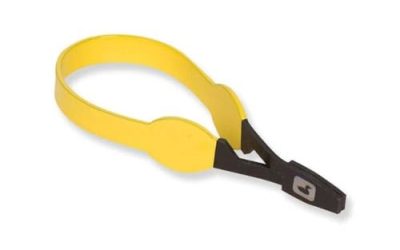
Our Top Picks
 Seaguar Blue Label 100% Fluorocarbon Fishing Line Leader30lbs/25yds2 x 0.02 x 0.02 inches0.1 poundsCheck on Amazon
 AFW Nylon Coated 1x7 Stainless Steel Fishing Wire30 Feet, 90 Pound Test0.04 x 0.04 x 0.04 inches4 KilogramsCheck on Amazon
 Berkley Steelon Wire-Wound Fishing Leaders45lb Break Strength - 12"1 x 1 x 1 inches0.02 poundsCheck on Amazon

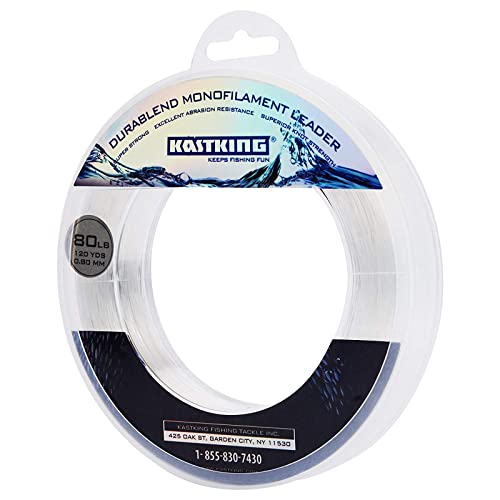
The last few feet of line between your main line and the hook decide more fights than the rod or the reel ever will. That short section takes the abrasion from rocks, dock pilings, oyster shell and gill plates, and it is the part a toothy fish can bite through in a single head shake. Leader material is sold three ways: as fluorocarbon or monofilament on small spools you cut and tie yourself, as bulk wire you twist or crimp into traces, and as pre-tied wire leaders that clip on straight from the packet. Fluorocarbon disappears in clear water and sinks, mono adds stretch, coated wire stops teeth, and a pre-tied leader trades finesse for instant rigging. This guide compares five proven options across those formats and closes with the length and test choices that keep leaders from becoming the weak link.
As an Amazon Associate, we earn from qualifying purchases.
Quick answer
Start with fluorocarbon for clear water: Seaguar Blue Label covers most inshore and freshwater leader work, and Yo-Zuri H.D. Carbon handles the heavy offshore end. Choose KastKing DuraBlend mono when you want a long, forgiving shock leader on a big spool. For toothy predators, tie traces from AFW Surflon coated wire, or clip on a pre-tied Berkley Steelon leader when speed matters more than stealth.
Seaguar Blue Label Fluorocarbon Leader, 30 lb, 25 yd
Seaguar built its reputation on fluorocarbon, and Blue Label is the leader material that made the brand a default choice on saltwater boats. The 30 lb size on a compact 25 yard spool is the versatile middle of the range: strong enough for snook, redfish, striped bass and heavy bass cover, yet fine enough to stay discreet around clear flats. Seaguar describes Blue Label as a double-structure fluorocarbon, pairing a harder core for tensile strength with a softer outer layer that seats knots more reliably. That matters because fluorocarbon lives or dies at the knot, and a leader that cinches down cleanly wastes less of its rated strength.
The material sinks faster than nylon, which helps small jigs and soft plastics track naturally, and its refractive index sits close to water, so the line all but vanishes at leader length. Abrasion resistance is the other reason anglers pay for leader-grade fluorocarbon rather than cutting sections from a main-line spool: the harder surface shrugs off oyster shell and dock edges that would fuzz ordinary line in one fight.
The trade-offs are the usual fluorocarbon ones. It costs more per yard than mono, holds more memory off the spool, and grows stiff enough in heavy tests that small knots need care and lubrication before tightening. Anglers who fish stained water may never notice the clarity advantage. For everyone else, this is the benchmark spool for mixed inshore and freshwater work.
Yo-Zuri H.D. Carbon Fluorocarbon Leader, 80 lb, 30 yd
At the heavy end of the fluorocarbon shelf sits Yo-Zuri H.D. Carbon, and the 80 lb size on a 30 yard spool is unapologetically a big-fish tool. This is leader material for tuna, amberjack, grouper, tarpon and large sharks, where the leader must survive long runs against structure and rough skin. Yo-Zuri prints the diameter, 0.875 mm, alongside the test rating, which is more useful than it sounds: diameter determines how a heavy leader behaves at the knot and how it compares between brands.
H.D. Carbon is a dense, hard fluorocarbon, and that hardness is the point. It resists the sawing action of a billfish bill and the crush of a grouper diving for a wreck better than softer materials, and it holds up through repeated casts with heavy lures. Tinted versions in the wider range exist because heavy fluorocarbon can still flash in bright, shallow water.
Rigging 80 lb fluorocarbon is a different discipline from tying bass leaders. Clinch-style knots that work at lighter tests slip or cut into themselves here, so most anglers crimp with matched sleeves and a proper crimping tool, or use a carefully seated loop connection. Each leader is only a few feet long, so one spool covers a season of offshore trips, but a badly seated crimp wastes an expensive section.
KastKing DuraBlend Monofilament Leader, 20 lb, 120 yd
Not every leader problem calls for fluorocarbon. KastKing DuraBlend is a nylon monofilament leader material sold on a generous 120 yard spool, and the 20 lb size with a 0.40 mm diameter is aimed at surf, pier and inshore anglers who burn through leaders quickly and want stretch in the system. Mono absorbs the shock of a sudden strike and the head shakes of a fish at the net, protecting light main lines and small hooks in a way stiff fluorocarbon cannot.
The long spool changes the economics of rigging. Instead of guarding a short coil of premium material, you can cut leaders freely, retire a scuffed section without hesitation, and rig spare traces the night before a trip. DuraBlend is an abrasion-resistant blend rather than a plain nylon, and for work around jetty rocks and shell banks that tougher surface is welcome. Mono also ties beautifully: it is the most forgiving material here for beginners learning the FG knot or a uni-to-uni connection, because it cinches without the friction heat that damages fluorocarbon.
The limits are visibility and sink rate. Mono floats more and shows more in clear, shallow water, so wary fish in bright conditions may refuse baits they would take on fluorocarbon. None of that matters much in the surf, in stained rivers or after dark, which is exactly where this spool earns its keep.
American Fishing Wire Surflon Nylon Coated 1×7 Leader Wire, 90 lb, 30 ft
When the target has teeth, line choice stops being about visibility and becomes about survival. AFW Surflon is a nylon-coated 1×7 stainless steel leader wire, and the 90 lb test in black on a 30 foot coil, model C090B-0 in the AFW catalog, is built for king mackerel, wahoo, barracuda, bluefish and pike that would shear through nylon or fluorocarbon in one bite. The 1×7 construction strands seven fine wires together, keeping the finished trace far more flexible than single-strand wire of the same test, so lures swim more naturally and the wire resists kinks that weaken a trace.
The nylon coating does three jobs: it softens the wire against your hands during rigging, dulls the metallic flash that can put off pressured fish, and protects the stainless core from nicks. Surflon can be tied with common knots in lighter tests, but at 90 lb the standard approach is a crimped sleeve connection, and AFW sells the wire as bulk material so you can build traces to your own length. A 30 foot coil makes dozens of leaders, which matters on a kingfish trip where strikes retire traces quickly.
Wire is never invisible, and it damps the action of small lures, so it belongs on toothy-fish tackle rather than in a finesse box. It also demands inspection: a hard kink or a frayed strand means that section is done. For anglers who target predators with teeth, though, there is no substitute.
Berkley Steelon Wire-Wound Leaders, 12 inch, 30 lb
At the opposite end of the effort scale, Berkley Steelon leaders arrive finished. The 12 inch, 30 lb black version, model 3W1230BL, is a hand-wound, nylon-coated stainless wire leader fitted with a Cross-Lok snap at one end and a ball-bearing swivel at the other. Tie your main line to the swivel, clip a lure or a rigged bait hook to the snap, and you are fishing in under a minute. For pike and pickerel in freshwater, bluefish off a pier, and anglers who have never twisted wire, that convenience is the entire product.
The hand-wound construction separates Steelon from the cheapest crimped leaders on the rack. A wound finish grips without the sharp sleeve edges that can cut line or hands, and the ball-bearing swivel genuinely rotates under load, which keeps line twist down with spoons and spinners that love to roll. The black finish keeps flash low, and the 30 lb rating is honest working tackle for school-size toothy fish.
Pre-tied leaders carry fixed compromises. Twelve inches is short for a big, lure-shy predator, the snap adds a visible link some anglers refuse to put in front of a crankbait, and once the wire kinks behind the snap the whole leader is retired rather than trimmed. Experienced wire anglers will always prefer building their own traces from a coil like the Surflon above. But as a packet for a glove box, a loaner tackle box or a pier bag for the day the bluefish arrive unannounced, Steelon leaders have earned their place in tackle shops.
How to choose
Start with the fish, not the brand. Teeth decide the first question: pike, musky, bluefish, mackerel, wahoo and sharks demand wire, either bulk coated wire you rig yourself or a pre-tied leader, because no nylon or fluorocarbon survives a direct bite. Without teeth, choose between fluorocarbon and mono. Fluorocarbon wins in clear water, around abrasive structure and whenever the leader should sink with the bait; mono wins when you want stretch, easy knots and low cost per leader.
Match test to the main line and the cover, not to the size of the fish alone. A common pattern is a leader one step heavier than the main line for abrasion insurance, stepping up again around docks, wrecks and oyster bars. Diameter matters as much as the printed test, especially in heavy fluorocarbon, so compare the millimeter figure when a brand prints it.
Finally, match the format to your habits. Spools suit anglers who tie their own connections and retire leaders often. Bulk wire suits anyone who wants custom trace lengths. Pre-tied leaders suit speed and loaner gear. Whatever you choose, inspect the last few inches after every fish and retie at the first sign of damage.
Who should skip
Anglers who fish only for panfish, trout in open water and other small, soft-mouthed species can skip dedicated leader material entirely and fish their main line straight to the hook. Fly anglers should also pass on this list: fly leaders are tapered nylon or fluorocarbon built to turn over a fly, a different product family from the level spools and wire traces covered here. If you never target toothy fish, skip both wire options, because wire costs you lure action and visibility on every cast. And if your tackle already includes a quality fluorocarbon spool in the right test, a second premium spool adds little; spend the effort on fresh knots instead.
FAQ
Is fluorocarbon really invisible underwater?
Fluorocarbon has a refractive index close to water, so it is noticeably less visible than nylon of the same diameter, especially in clear, bright conditions. It is not literally invisible, and diameter matters: a very heavy fluorocarbon leader can still show as a thick outline. The lightest test that handles your cover keeps the advantage real.
When do I actually need a wire leader?
You need wire whenever the target species has teeth that can reach the line: pike, musky, pickerel, bluefish, mackerel, wahoo, barracuda and most sharks. A single bite from these fish cuts nylon or fluorocarbon cleanly. For species without cutting teeth, wire adds visibility and stiffness with no benefit, so leave it in the box.
How long should a fishing leader be?
Two to three feet suits most freshwater and inshore fishing and keeps the connection knot outside the rod tip on the cast. Surf, pier and offshore trolling setups often run longer for abrasion clearance and shock absorption. Use the shortest length that protects your main line.
Can I tie wire leader material with normal knots?
Light coated multi-strand wire can be tied with common knots such as a clinch, Albright or loop knot. Heavy coated wire and single-strand wire are usually crimped with matched sleeves or finished with a haywire twist, because a stiff wire knot slips or weakens. Pre-tied leaders skip it.
Final verdict
Leader material is the cheapest place in a rig to buy reliability, and the right choice depends on teeth, clarity and how you like to rig. Seaguar Blue Label is the all-round fluorocarbon benchmark for clear water, Yo-Zuri H.D. Carbon covers the heavy offshore extreme, and KastKing DuraBlend gives surf and inshore anglers a long, forgiving mono spool. When teeth enter the picture, AFW Surflon remains the standard bulk coated wire for building your own traces, while Berkley Steelon pre-tied leaders trade customization for one-minute rigging.
Product and ASIN Reference
| Product | ASIN |
|---|---|
| Seaguar Blue Label Fluorocarbon Leader, 30 lb, 25 yd | B0009V5N3E |
| Yo-Zuri H.D. Carbon Fluorocarbon Leader, 80 lb, 30 yd | B004TLQEMO |
| KastKing DuraBlend Monofilament Leader, 20 lb, 120 yd | B017MALDKG |
| American Fishing Wire Surflon Nylon Coated 1×7 Leader Wire, 90 lb, 30 ft | B0000AY0HG |
| Berkley Steelon Wire-Wound Leaders, 12 inch, 30 lb | B00015HAE8 |
FAQ
Is fluorocarbon really invisible underwater?
When do I actually need a wire leader?
How long should a fishing leader be?
Can I tie wire leader material with normal knots?
More from Amazon
Programs that pair well with the guide above. Offers and eligibility are set by Amazon and may change.
Free shipping on eligible items, Prime Video and more. Eligible new members can start with a free trial.
Start a Prime free trialA Prime membership for ages 18-24 with a trial period. Eligibility is set by Amazon.
See Prime for Young AdultsAudiobooks and podcasts to listen to on the go. Eligible new members can start with a free trial.
Try Audible freeAd-free music streaming. Eligible new subscribers can start with a free trial.
Try Music Unlimited freeAs an Amazon Associate we earn from qualifying purchases.