
Best cheapest binoculars prove you do not need to spend big to see more, whether you are watching birds, sports, or wildlife. The trick is knowing which budget corners are fine and which ones dim your view. This guide sorts the top low-cost, general-use pairs by magnification, prisms, and honest real-world performance.
Our top picks


As an Amazon Associate we earn from qualifying purchases at no extra cost to you.
As an Amazon Associate we earn from qualifying purchases.
🛒 Best Price Today on Amazon
Prime members get fast, free shipping on everything above, plus member-only deals. New members get a 30-day free trial — cancel anytime.
Start 30-Day Prime Free Trial →See Today’s Amazon DealsHow to Choose the Right Best Cheapest Binoculars
Buying the best cheapest binoculars means spending your limited dollars where they matter. Four factors decide it: magnification and objective size, prism type and glass, field of view and brightness, and build and intended use. Get these right and a budget pair serves everyday viewing well.
Magnification and Objective Size
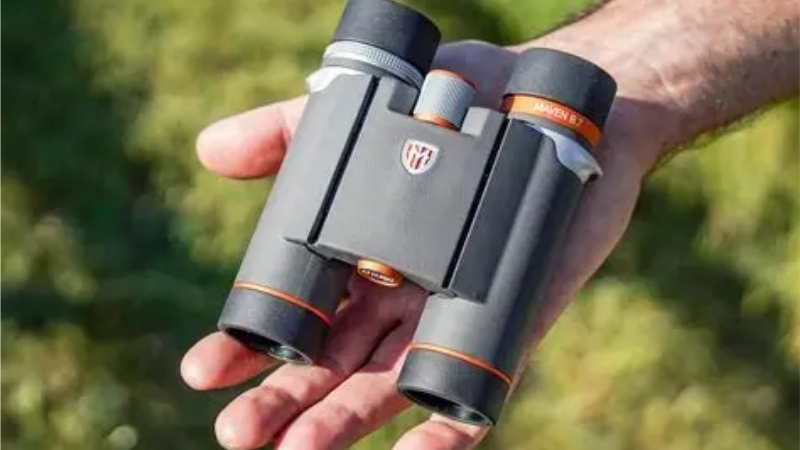
The two numbers matter most. Magnification of 8x to 10x balances detail and steadiness, while 12x pushes the limit of what you can hold steady by hand and starts to shake. The objective diameter governs brightness, with 42 and 50 millimeters gathering more light than a compact 25 or 32.
Bigger is not always better on a budget. A large 50-millimeter porro pair gathers more light but is heavy and bulky, while a compact 25-millimeter pair is pocketable but dim in low light. Match the pairing to whether you value portability or brightness for your everyday use.
Prism Type and Glass
Prism quality separates cheap pairs. BAK4 prisms consistently resolve finer detail and produce brighter images than the BK-7 glass in the cheapest models, so BAK4 is worth seeking out even on a budget. Fully multi-coated lenses further boost light transmission and contrast.
Design matters too. Porro-prism binoculars deliver bright images cheaply, which is why so many budget pairs use them, while inexpensive roof-prism models can be made waterproof but often look slightly darker without phase coatings. For pure value and brightness under fifty dollars, a multi-coated porro is hard to beat.
Field of View and Brightness
A wide field of view makes it easier to find and track subjects, which matters for birds and sports. Budget pairs vary widely here, so check the specification, and remember that higher magnification narrows the field, another reason 8x to 10x suits general use better than 12x.
Be realistic about low light. Cheap optics struggle at dawn, dusk, and under forest canopy, where less light reaches the lens and images dim and lose detail. For daylight birding, sports, and travel they perform well, but do not expect premium low-light performance at a budget price.
Build, Weight, and Intended Use
Construction shapes durability and comfort. Rubber armor protects against knocks and improves grip, twist-up eyecups suit eyeglass wearers, and a smooth focus wheel makes tracking easier. Weight matters if you carry them far, since large porro pairs tire smaller hands over long outings.
Match the pair to your use. Compact models slip into a pocket for travel and concerts, mid-size 42-millimeter roof pairs balance portability and brightness for hikes, and large porro pairs maximize light for backyard birding and stargazing. Deciding your main use narrows the choice quickly and cheaply.
Top Picks for the Best Cheapest Binoculars
Our picks for the best cheapest binoculars span the true budget range, from a pocketable pair around thirty dollars to value step-ups just over fifty. Each names a real trade-off so you can match magnification, brightness, and portability to how you plan to use them.
| Model | Config | Prism / Glass | Waterproof | Best For |
|---|---|---|---|---|
| Occer 12×25 | 12x, 25 mm | BAK4, multi-coated | Water-resistant | Pocketable value |
| Bushnell Falcon 10×50 | 10x, 50 mm | Porro, multi-coated | No | Brightness under $50 |
| Celestron UpClose G2 8×40 | 8x, 40 mm | Porro, BK-7 | No | All-round porro |
| Adorrgon 12×42 | 12x, 42 mm | BAK4, multi-coated | Water-resistant | Budget 42 mm detail |
| Nikon Aculon A211 10×42 | 10x, 42 mm | Aspherical, multicoat | No | Brand value step-up |
| Bushnell H2O 10×42 | 10x, 42 mm | Roof, multi-coated | Yes | Cheap waterproof |
Occer 12×25
With tens of thousands of Amazon reviews, the Occer 12×25 is the go-to pocketable budget pick, often found around thirty dollars. Its BAK4 prisms and fully multi-coated lenses set it apart from cheaper competitors, and at roughly 249 grams it slips into any bag for travel, concerts, or casual wildlife watching.
The 12x magnification pushes handheld limits and can feel shaky, and the small 25-millimeter objective dims noticeably in low light with a narrow field of view. For a genuinely tiny, affordable pair that delivers surprisingly good daylight views, though, it is the best value in the pocket class.
Bushnell Falcon 10×50
If you want maximum light gathering under fifty dollars, the Bushnell Falcon 10×50 delivers the best overall image quality in budget testing, thanks to its large 50-millimeter porro objectives. It is ideal for backyard bird watching or stadium sports where brightness matters and you are not hiking far.
The trade-off is size and weight, since it is heavy and bulky compared with compact pairs, and the lens caps can be loose, so secure them. It also lacks waterproofing. For bright, clear daylight views at a rock-bottom price, backed by Bushnell’s lifetime warranty, though, it is hard to beat.
Celestron UpClose G2 8×40
The UpClose G2 8×40 is the balanced budget porro, pairing 8x magnification with 40-millimeter objectives, multi-coated BK-7 prism glass, and protective rubber armoring, all under fifty dollars. The 8x view is easy to hold steady with a comfortable field of view, making it a versatile everyday pick.
Its BK-7 prisms are not as bright as BAK4 glass, and the features are basic rather than refined. For casual birding, hiking, and general outdoor viewing where an easy-to-hold, affordable pair matters more than premium optics, though, it offers dependable value from a trusted optics brand.
Adorrgon 12×42
The Adorrgon 12×42 punches above its price with BAK4 prisms and fully multi-coated lenses that resolve finer detail than the BK-7 models it competes against. The 42-millimeter objectives gather more light than compact pairs, giving a brighter image while staying reasonably portable for a budget binocular.
Like other 12x pairs it can feel shaky handheld, and it comes from a generic brand without the pedigree of Nikon or Bushnell. For budget shoppers who want more magnification and light than a pocket pair, with genuinely good detail for the money, though, it is a strong value choice.
Nikon Aculon A211 10×42
Spending slightly over fifty dollars unlocks the Nikon Aculon A211 10×42, a value step-up with aspherical multicoated glass, a classic porro design, and a wide field of view that punches well above its price. It delivers bright, crisp daylight views with virtually no color fringing and a trusted brand behind it.
It edges just past rock-bottom pricing, and the porro build is somewhat bulky. But if you can stretch a little past the cheapest tier, the Aculon’s optical quality and Nikon reliability make it the sweet spot where budget binoculars start to feel genuinely good.
Bushnell H2O 10×42
The Bushnell H2O 10×42 is the affordable waterproof pick, using a roof-prism design that seals against moisture with multi-coated optics and a lightweight roughly 25-ounce build. For lakeside, hiking, and unpredictable-weather use where a soaking would ruin non-waterproof pairs, it is the practical budget choice.
The roof-prism design without phase coating looks slightly darker than a comparable porro, and it sits just over the cheapest tier. But for recreational birding and outdoor use where weatherproofing matters, backed by Bushnell’s bulletproof guarantee, the H2O delivers reliable value.
Frequently Asked Questions
Quick answers to the best cheapest binoculars questions shoppers ask, from magnification to why cheap pairs struggle in low light.
What magnification is best for cheap binoculars?
For the best cheapest binoculars, stick with 8x to 10x for general use, since they balance detail and steadiness and are easy to hold by hand. Twelve-power pairs reach farther but shake noticeably without support, and they narrow the field of view. For most budget buyers, 8x or 10x delivers the most usable, comfortable image.
Are BAK4 or BK-7 prisms better?
BAK4 prisms resolve finer detail and produce brighter, sharper images than the BK-7 glass in the cheapest models, so BAK4 is worth seeking out even on a budget. Paired with fully multi-coated lenses, BAK4 optics deliver noticeably better performance for often only a small price difference.
Why do cheap binoculars look dim in low light?
Budget optics gather and transmit less light due to smaller objectives, simpler prisms, and basic coatings, so they dim at dawn, dusk, and under forest canopy. They perform well in daylight but struggle in shade. For low-light use, a larger objective and BAK4 glass help, but premium optics do it best.
Are cheap binoculars good gifts?
Yes, they make excellent affordable gifts and stocking stuffers, especially compact pairs for travel, sports, and casual nature watching. Demand for budget optics climbs during the holidays, so buying ahead protects both selection and price on popular pocketable models that can sell out at gift-giving time.
See More:
- Best hiking boots for wide feet women
- Best summer hiking boots
- Best hiking boots flat feet
- Best affordable hiking boots
- Best minimal hiking boots
Final Thoughts
The best cheapest binoculars are the ones whose magnification, prisms, and size match how you plan to use them, not simply the lowest sticker price. Seek BAK4 glass and multi-coated lenses, choose 8x to 10x for steady handheld views, match the objective to portability or brightness, and buy ahead of the holiday rush.

Write Your Review
No reviews yet. Be the first to share your experience!