Key takeaways
What's inside
Outdoor survival gear is the small set of items that keeps a bad day in the backcountry from becoming a tragedy. This roundup compares six field-tested essentials organized by the survival priorities, from an emergency shelter to a fire starter, so you can build a compact kit that covers warmth, water, fire, and signaling when things go wrong.
As an Amazon Associate we earn from qualifying purchases.
By Jake Thompson
How to Choose Outdoor Survival Gear
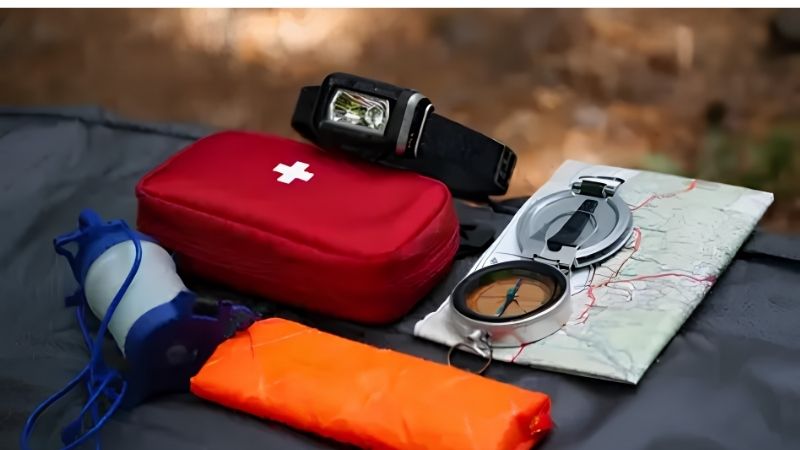
The best survival kit is organized by need, not by what looks impressive in a store. Good outdoor survival gear covers the priorities that keep you alive: shelter, water, fire, cutting, signaling, and first aid. Start by understanding the three principles that shape a genuinely useful kit.
Cover the Survival Priorities
Every kit should address the same core needs in order of urgency. Shelter and warmth come first, since exposure kills fastest, then water and fire, and finally signaling and first aid. Choosing outdoor survival gear around these priorities ensures you never leave out a life-critical item for a gadget you will rarely use.
Balance the kit against your trips. A short day hike needs less than a remote multi-day trek, so scale each category to your risk. Building around priorities rather than random items keeps your kit light, focused, and genuinely capable when a real emergency strikes on the trail.
Prioritize Quality and Reliability
Survival gear only helps if it works when you need it. Cheap, flimsy items fail at the worst moment, so invest in durable, proven pieces from trusted makers, and choose multi-use tools that earn their place. A quality knife or filter you can rely on is worth far more than a drawer of trinkets.
Redundancy matters for the essentials. Pair a fire starter with a backup lighter and a filter with purification tablets, since fire and water are too important to trust to one tool. Dependable survival gear builds in a backup for the needs that could otherwise become deadly.
Keep It Light and Practical
A kit only helps if you actually carry it. Favor compact, lightweight items that pack small, since a heavy kit gets left at home and protects no one. Modern emergency shelters, filters, and fire tools weigh only ounces, so there is little excuse to skip the basics.
Know how to use every piece. Practice starting a fire, pitching an emergency shelter, and treating water before you need to, since skills weigh nothing and never fail. The best outdoor survival gear is only as good as the person using it, so pair your kit with real practice.
Top Picks: The Best Outdoor Survival Gear
With those principles in mind, this outdoor survival gear roundup lines up six field-tested essentials, one for each survival need. The table sums up the essentials, and the reviews below explain who each one suits and the trade-offs to weigh before you buy.
| Category | Gear | Role | Best For |
|---|---|---|---|
| Shelter | SOL Emergency Bivvy | Retain body heat | Staying warm |
| Fire | Ferro Rod + Lighter | Reliable ignition | Making fire |
| Water | Sawyer Mini + Tablets | Treat water | Safe drinking |
| Cutting | Morakniv | Fixed-blade tasks | Shelter and fire prep |
| Signal | Fox 40 + Mirror | Attract rescue | Calling for help |
| First aid | Adventure Medical Kit | Treat injuries | Wounds and sprains |
SOL Emergency Bivvy – Shelter
The SOL Emergency Bivvy handles the top survival priority in a tiny package. Shaped like a sleeping bag from heat-reflective material, it retains up to about 90 percent of your body heat while blocking wind and rain, and it packs to roughly the size of a water bottle for effortless carry.
Its single layer is less breathable, so condensation can build inside. But as a featherweight, life-saving shelter that fends off the exposure that kills fastest, it belongs in every survival kit.
Ferro Rod + Lighter – Fire
A ferro rod paired with a lighter covers fire with built-in redundancy. The ferro rod throws hot sparks even when wet and lasts thousands of strikes, while a butane lighter offers fast, easy ignition, and adding stormproof matches gives a third layer for wind and rain that defeat other methods.
A ferro rod takes practice and good tinder, and lighters can fail in cold. But together, this simple, cheap combination gives you the reliable, redundant fire source that fire’s life-critical role demands.
Sawyer Mini + Tablets – Water
The Sawyer Mini plus purification tablets treats water with a backup built in. The tiny hollow-fiber filter removes bacteria and protozoa and weighs about two ounces, while chlorine dioxide tablets serve as an ultralight failsafe that also kills viruses if the filter clogs or freezes.
The Mini flows slower than larger filters, and tablets require a wait time. But for lightweight, redundant water treatment that keeps you hydrated in an emergency, this pairing is hard to beat.
Morakniv – Cutting
The Morakniv is the value benchmark for a survival cutting tool. Its sharp Scandi-ground fixed blade carves, prepares tinder, and handles light batoning, its sharp spine throws sparks off a ferro rod, and its low weight and price make it easy to carry as core survival gear.
Standard models use a partial tang, so hard batoning demands care. But for an affordable, capable fixed blade that covers shelter, fire, and food prep, it delivers remarkable performance for the money.
Fox 40 + Mirror – Signal
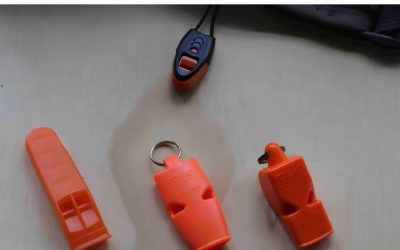
A Fox 40 whistle and a signal mirror together cover calling for help. The pealess whistle carries a piercing blast far beyond your voice with no batteries, while a signal mirror flashes aircraft and distant rescuers on sunny days, giving you two lightweight, reliable ways to be found.
A whistle only reaches those within earshot and a mirror needs sun, so remote trips still warrant a satellite device. But as near-weightless, foolproof signaling tools, they are among the highest-value items you can carry.
Adventure Medical Kit – First Aid
An Adventure Medical Kit rounds out survival gear with injury care. A compact, trip-sized kit bundles bandages, wound care, blister treatment, and basic medications into a light, organized pouch, giving you the means to treat the cuts, sprains, and blisters that so often accompany a survival situation.
Pre-made kits may miss items specific to you, so customize and restock them. But as a ready-made foundation for treating common injuries, a quality first aid kit is an essential part of any survival kit.
Frequently Asked Questions
A few questions come up again and again about outdoor survival gear. Here are quick, practical answers to help you build your kit.
What are the essential categories of survival gear?
The core categories are shelter, water, fire, a cutting tool, signaling, and first aid. Address each and you cover the survival priorities that matter most. Add navigation and extra food for longer trips. Building around categories rather than random items keeps your kit balanced, light, and genuinely useful in an emergency.
What is the single most important survival item?
A way to retain body heat, since exposure kills fastest. A lightweight emergency bivvy or shelter tops most kits because hypothermia can strike within hours in cold, wet conditions. Staying warm buys you the time and clear thinking to handle water, fire, and rescue, which is why shelter comes first.
Do I need survival gear on a short day hike?
Yes, a compact version. Even a short hike can go wrong with an injury or a wrong turn, so carry at least an emergency shelter, fire, water treatment, a knife, a whistle, and first aid. These weigh little together and turn a frightening situation into a manageable one while you await help or self-rescue.
How often should I check my survival kit?
Review it before each significant trip and a few times a year. Replace expired items like purification tablets and medications, restock anything used, and confirm your fire starter and lighter work. A kit that sits untouched for years may fail when you need it, so regular maintenance is as important as the initial build.
See More:
- Best camp chair
- Lightweight camp chair
- Camping table review
- Backpacking cookware set
- Camp stove review
Final Thoughts
Good outdoor survival gear is a few reliable items organized by priority. The SOL Emergency Bivvy keeps you warm, a ferro rod and lighter make fire, and a Sawyer Mini with tablets treats water, while a Morakniv, a Fox 40 and mirror, and a first aid kit cover cutting, signaling, and injuries. Build around the priorities, practice the skills, and a bad day outdoors stays survivable.