Key takeaways
What's inside
Bushcraft gear guide essentials come down to a few tools that let you cut, chop, saw, make fire, and build shelter. This roundup compares five field-tested pieces of gear by how well they handle those core wilderness tasks, from a Scandi-ground knife to a folding saw, so you can work with the land and thrive using real skills in the woods.
As an Amazon Associate we earn from qualifying purchases.
By Jake Thompson
How to Choose Bushcraft Gear
Bushcraft is about working with natural materials using a few versatile tools and solid skills. A good bushcraft gear guide focuses on cutting, processing wood, making fire, and building shelter. Start by understanding the three core capabilities every kit should cover before you buy.
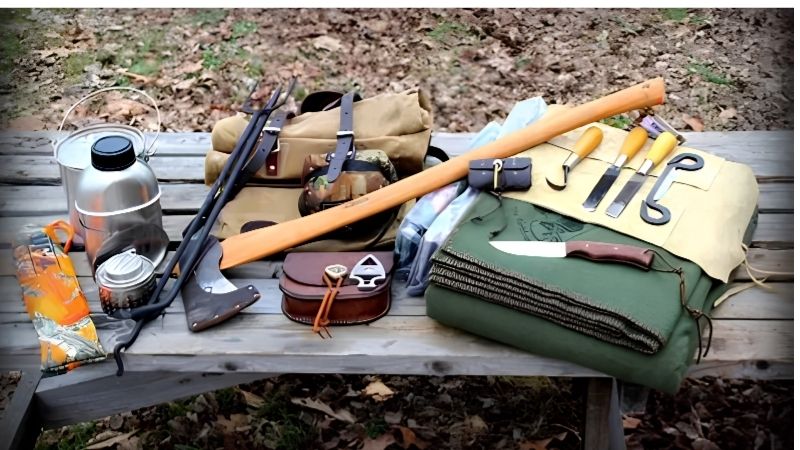
Cutting and Carving
A quality knife is the heart of bushcraft. A fixed-blade knife with a Scandinavian grind excels at carving, making feather sticks, and fine woodwork, and a sharp 90-degree spine also throws sparks off a ferro rod, making one tool central to fire, shelter, and food tasks alike.
Match the knife to your tasks and skills. Carbon steel takes a keen edge but needs rust care, while stainless resists corrosion. This part of a bushcraft gear guide treats a reliable knife as the one tool you would never leave home without, since it touches nearly every camp job.
Processing Wood
Breaking down wood efficiently saves enormous energy. A hatchet chops and splits for firewood and shelter, while a folding saw cuts branches and logs faster and with far less effort than a knife or axe alone, making the two a powerful pair for camp construction and fires.
Know the rules and your needs. In some areas cutting live trees is prohibited, so a saw for deadfall may be all you need. A practical bushcraft gear guide helps you decide whether to carry an axe, a saw, or both based on your terrain and tasks.
Fire and Shelter
Fire and shelter are survival cornerstones. A ferro rod reliably starts fires even when wet and lasts thousands of strikes, while a simple tarp lets you build a lean-to, rain fly, or ground cover, adapting to weather and terrain with a bit of cordage and skill.
These tools reward practice. Learn to prepare tinder and throw sparks, and to pitch a tarp several ways before you need to. This side of a bushcraft gear guide pairs simple, durable gear with the skills that turn raw materials into warmth and protection.
Top Picks: Essential Bushcraft Tools
With those capabilities in mind, this bushcraft gear guide lines up five field-tested tools, each covering a core skill. The table sums up the essentials, and the reviews below explain who each one suits and the trade-offs to weigh before you buy.
| Tool | Role | Task | Best For |
|---|---|---|---|
| Morakniv | Bushcraft knife | Carving and fire | Everyday cutting |
| Fiskars X7 | Hatchet | Chopping and splitting | Processing firewood |
| Bahco Laplander | Folding saw | Sawing wood | Cutting branches |
| Ferro Rod | Fire starter | Sparks when wet | Making fire |
| Tarp | Shelter | Build a shelter | Rain and shade |
Morakniv – Best Bushcraft Knife
The Morakniv is the value benchmark for a bushcraft knife. Its sharp Scandi-ground blade of Swedish steel carves, makes feather sticks, and prepares tinder beautifully, its sharp spine throws sparks off a ferro rod, and its low weight and price make it an easy first bushcraft tool.
Standard models use a partial tang, so hard batoning demands care, and carbon versions need rust prevention. But for an affordable, capable knife that handles the carving and fire tasks at the heart of bushcraft, it is hard to beat.
Fiskars X7 – Best Hatchet
The Fiskars X7 is an outstanding value hatchet for processing wood. Its lightweight FiberComp handle and slick, sharp head deliver strong chopping and splitting power for firewood and shelter building, and its durable, low-maintenance design makes it a favorite for beginners and a reliable truck companion.
It cannot drive metal stakes and lacks the heirloom feel of a premium forged axe like a Gransfors Bruks. But for affordable, effective chopping and splitting, its performance-to-value ratio is genuinely hard to match.
Bahco Laplander – Best Folding Saw
The Bahco Laplander is the classic folding saw for camp and trail. It is compact, locks open and closed for safety, and its aggressive blade breaks down branches and logs far faster and with less energy than an axe or knife, making it a bushcraft essential that lives in many packs for years.
A saw cannot split wood like a hatchet, so the two complement each other. But for efficient, low-effort wood processing in a light, packable tool, the Laplander is a trusted, affordable standard.
Ferro Rod – Best Fire Starter
A ferro rod is the most reliable bushcraft fire starter. It throws a shower of hot sparks even when wet, works in wind and cold that defeat lighters, and lasts for thousands of strikes, letting you start fires from natural tinder using the sharp spine of your knife.
It takes practice and good tinder to master, and sparks alone will not light damp wood. But paired with the skills to prepare tinder, it is the dependable, long-lasting fire tool at the core of bushcraft.
Tarp – Best Shelter
A simple tarp is the most versatile bushcraft shelter. With cordage and a few knots, it becomes a lean-to against wind and rain, an A-frame, a rain fly, or a ground sheet, adapting to whatever terrain and weather you face while weighing far less than a tent.
It needs cordage, anchors, and the skill to pitch it well, and it offers less bug and weather protection than an enclosed tent. But for a lightweight, adaptable shelter that rewards skill, a tarp is a bushcraft classic.
Frequently Asked Questions
A few questions come up again and again when hikers read a bushcraft gear guide. Here are quick, practical answers to help you build your kit.
What is the most important bushcraft tool?
A quality fixed-blade knife, since it handles carving, fire prep, food, and countless small tasks. Many bushcrafters start with an affordable Scandi-ground knife and build from there. A good knife with a sharp spine for a ferro rod covers more essential jobs than any other single tool in the kit.
Do I need both an axe and a saw?
Not always. A saw cuts and processes wood efficiently with little effort and is enough where cutting live trees is banned, while an axe adds splitting power for firewood and heavier tasks. Many bushcrafters carry both for full capability, but a knife and saw alone cover most needs.
What steel is best for a bushcraft knife?
Both carbon and stainless work well. Carbon steel takes and holds a very sharp edge and sparks well off a ferro rod but needs care to prevent rust, while stainless resists corrosion with slightly more effort to sharpen. Choose based on your climate and how much maintenance you want to do.
How do I start a fire with a ferro rod?
Prepare fine, dry tinder first, then scrape the ferro rod firmly with the sharp 90-degree spine of your knife, directing the sparks into the tinder. Practice building your fire from tinder to kindling to fuel before you rely on it. Preparation and dry tinder matter far more than the rod itself.
See More:
- Best camp chair
- Lightweight camp chair
- Camping table review
- Backpacking cookware set
- Camp stove review
Final Thoughts
A good bushcraft gear guide is about a few versatile tools and the skills to use them. A Morakniv handles carving and fire, a Fiskars X7 and Bahco Laplander process wood, and a ferro rod and tarp cover fire and shelter. Learn to carve, split, saw, spark a fire, and pitch a tarp, and you can thrive with skill in the woods.