Key takeaways
What's inside
Snake safety while hiking is mostly about prevention: watching where you step and protecting your lower legs, where most bites land. This roundup compares five field-tested picks across protection, weight, and comfort, from fang-proof gaiters to snake boots and probing poles, so you can move through snake country and lower your risk of a bite.
As an Amazon Associate we earn from qualifying purchases.
By Jake Thompson
How to Practice Snake Safety While Hiking
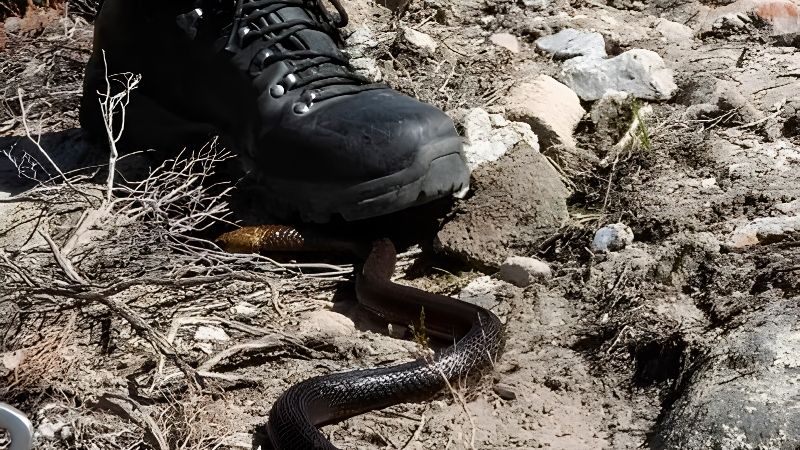
Most snakebites are preventable with awareness and the right protection. Good snake safety while hiking combines situational awareness with gear that shields the calf and ankle, where rattlesnakes typically strike. Start by understanding three principles before you head into snake habitat.
Awareness and Behavior
The most underrated safety tool is paying attention. Most bites happen to people who were not watching where they stepped or put their hands. Step onto logs and rocks rather than over them, avoid reaching into brush piles or dark holes, and stay on clear trails when possible.
Give snakes room to leave. Snakes are not aggressive and bite defensively, so beating the ground ahead with a trekking pole warns them to move before you arrive. Practicing this kind of snake safety while hiking prevents the vast majority of encounters without any special gear at all.
Leg Protection: Gaiters and Boots
Since strikes usually land below the knee, protecting your lower legs is the core of gear-based defense. Snake gaiters made from puncture-resistant weaves or rigid inserts wrap the calf and shin, while purpose-built snake boots add full-foot coverage for those regularly in serious snake country.
Choose based on how often you face the risk. Gaiters are lighter, cheaper, and strap over boots you already own, while snake boots protect the feet gaiters leave exposed. This is the most direct way to improve snake safety while hiking through terrain known for venomous snakes.
Fit, Coverage, and Comfort
Protection only works if the gear fits right and you actually wear it. Gaiters should cover from ankle to knee with no gap at the boot line, sit snugly without shifting, and stay comfortable enough for long miles. Bulky or hot gear that gets left at home protects no one.
Balance protection against weight and breathability. Ultralight woven gaiters suit long-distance hikers, while rigid or leather options favor durability in heavy brush. Matching the level of protection to your terrain and comfort keeps your snake safety while hiking practical rather than something you abandon on the trail.
Top Picks: The Best Snake Safety Gear
With those principles in mind, here are five field-tested picks for snake safety while hiking, each a clear winner for a different need. The table sums up the essentials, and the reviews below explain who each one suits and the trade-offs to weigh before you buy.
| Gear | Type | Protection | Best For |
|---|---|---|---|
| TurtleSkin SnakeArmor | Gaiters | Fang-proof weave | Lightweight overall |
| Crackshot Snake Guardz | Gaiters | ASTM-certified insert | Certified value |
| ForEverlast Snake Guard | Gaiters | One-size, light | Budget |
| LaCrosse Adder | Snake boots | Full-foot coverage | Serious snake country |
| Trekking Poles | Poles | Probe ground ahead | Prevention |
TurtleSkin SnakeArmor – Best Overall Gaiters
The TurtleSkin SnakeArmor gaiters are the respected benchmark for lightweight protection. Their patented tight-woven fabric stops even large rattlesnake fangs, yet the gaiters weigh only around six ounces, breathe well, and fold away easily, making them protection you will actually wear on long, hot hikes.
They cost more than basic gaiters and protect the legs rather than the feet. But for the best blend of proven bite resistance and low weight, they are the top choice for hikers who want serious protection without bulk.
Crackshot Snake Guardz – Best Certified Value
The Crackshot Snake Guardz gaiters back their protection with certification. Built with a puncture-resistant polycarbonate insert that meets the ASTM snakebite standard, they add a water-repellent coating and metatarsal protection over the laces, delivering rugged, tested coverage at a mid-range price.
The rigid inserts can click against brush and feel stiffer than soft-woven gaiters. But for hikers who want documented, standard-tested protection with extra foot coverage at a fair price, they are an excellent, confidence-inspiring value.
ForEverlast Snake Guard – Best Budget
The ForEverlast Snake Guard is the affordable entry into leg protection. Its lightweight, one-size-fits-most design straps over your existing boots with adjustable fasteners, guarding against snake fangs as well as thorns and sharp sticks, making it a great pick for occasional trips into snake habitat.
It offers less refined fit and coverage than premium gaiters and can shift in heavy brush. But for hikers who only occasionally enter snake country and want basic, budget-friendly protection, it does the essential job well.
LaCrosse Adder – Best Snake Boots
The LaCrosse Adder 18-inch snake boots protect where gaiters cannot: your feet. Their full snake-proof construction shields the entire lower leg and foot, while an EVA midsole and cushioned footbed keep them comfortable for long days in serious rattlesnake territory across the South and Southwest.
They are heavier and pricier than gaiters and commit you to a specific boot. But for those who spend real time in dense snake country, purpose-built boots offer the most complete, worry-free protection available.
Trekking Poles – Best Prevention Tool
A pair of trekking poles is a quiet hero of snake safety while hiking. Beating the ground ahead of you warns snakes to move before you arrive, and poles also improve stability so you are less likely to stumble into brush or place a hand where a snake is hiding.
Poles do not physically protect against a strike like gaiters do, so they complement rather than replace leg armor. But as an everyday tool that prevents encounters and steadies your footing, they earn a place in any snake-country kit.
Frequently Asked Questions
A few questions come up again and again about snake safety while hiking. Here are quick, practical answers to help you stay safe.
Do snake gaiters actually stop bites?
Quality gaiters made from puncture-resistant weaves or rigid inserts are designed to stop fangs from reaching your skin, and tested models resist even large rattlesnakes. They work best when they fit snugly with no gaps and cover ankle to knee. They protect the legs, so pair them with awareness and careful footing.
What should I do if a snake bites me?
Stay calm, move away from the snake, and call for emergency help immediately. Keep the bitten limb still and roughly at heart level, remove rings or tight items before swelling, and get to a hospital fast for antivenom. Do not cut, suck, apply ice, or use a tourniquet, as these cause harm.
Should I use a snakebite extractor kit?
No. Medical experts advise against suction extractor kits, cutting, and tourniquets, since studies show they do not remove meaningful venom and can worsen tissue damage. The only effective treatment is rapid transport to a hospital for antivenom. Focus your kit on prevention and a way to call for help instead.
When are snakes most active?
Snakes are most active in warm weather and often during the morning and evening, avoiding extreme midday heat. They are cold-blooded, so they bask on trails, rocks, and logs to warm up. Be especially watchful in spring and fall and around sun-warmed surfaces, and always look before stepping or reaching.
See More:
- Best camp chair
- Lightweight camp chair
- Camping table review
- Backpacking cookware set
- Camp stove review
Final Thoughts
Good snake safety while hiking is mostly prevention backed by smart gear. Awareness and probing poles stop most encounters, while TurtleSkin, Crackshot, and ForEverlast gaiters or LaCrosse snake boots protect your legs where strikes land. Watch your step, protect below the knee, and know that rapid hospital care, not a gadget, is the real answer to a bite.