Key takeaways
What's inside
Survival knife review shopping comes down to one truth: a survival knife is an insurance policy written in steel. This roundup compares five field-tested fixed blades across steel type, tang, toughness, and value, from a budget Swedish workhorse to a premium bushcraft blade, so you can choose a blade that batons, carves, and starts fires reliably.
As an Amazon Associate we earn from qualifying purchases.
By Jake Thompson
How to Choose a Survival Knife
A survival knife has to be a jack of all trades and a master of one thing: not breaking. Before comparing models, this survival knife review looks at the three features that separate real tools from toys, since the right blade must handle abuse far from any hardware store.
Fixed Blade and Full Tang
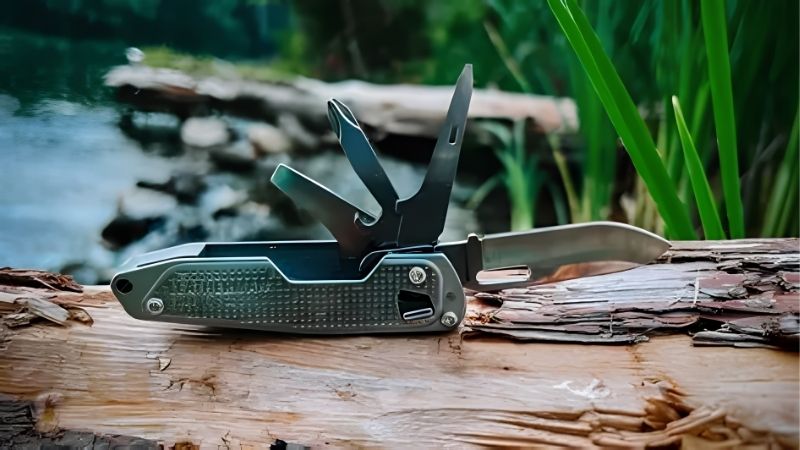
A true survival knife is a fixed blade, not a folder, because folding joints are weak points that fail under hard use. A full-tang blade, where the steel runs unbroken through the handle, gives the strength needed for batoning and prying without snapping at the worst possible moment.
Some excellent bushcraft knives use a partial tang and still perform well for lighter tasks. But for maximum toughness in a do-everything survival blade, full tang is the standard, and this survival knife review favors it for any knife you will truly rely on when things go wrong.
Blade Steel and Grind
Steel choice shapes maintenance and edge. Carbon steels like 1095 are tough and easy to sharpen in the field but rust without care, while stainless steels resist corrosion at some cost to easy sharpening. Both work well, so match the steel to your climate and willingness to maintain it.
Grind matters as much as steel. A Scandinavian grind excels at woodworking and carving, making it a favorite for bushcraft, while a flat grind slices aggressively. A good survival knife review weighs grind against your main tasks, since the geometry decides how the blade actually performs on wood and cordage.
Handle and Sheath
The handle is where control lives. A grippy, comfortable, weatherproof handle prevents fatigue and slips during long work, and durable materials survive heat, cold, and moisture. Test the feel in your hand if you can, since an uncomfortable grip turns even a great blade into a knife you leave at home.
The sheath is part of the knife. A good sheath retains the blade securely, carries comfortably, and offers multiple mounting options, and many add a loop for a ferro rod. A mediocre sheath on a great knife is a problem worth solving, which this survival knife review keeps in mind throughout.
Top Picks: The Best Survival Knives
With those factors in mind, this survival knife review lines up five field-tested fixed blades, each a clear winner for a different need and budget. The table sums up the essentials, and the reviews below explain who each knife suits and the trade-offs to weigh before you buy.
| Knife | Steel | Blade | Best For |
|---|---|---|---|
| Morakniv Garberg | 14C28N stainless | 4.3 in, full tang | Overall value |
| ESEE 4 | 1095 carbon | ~4.5 in, full tang | Heavy-duty classic |
| Ka-Bar Becker BK2 | 1095 Cro-Van | ~5.25 in | Batoning and chopping |
| Benchmade Bushcrafter | CPM-S30V | ~4.4 in | Premium bushcraft |
| Morakniv Companion | Carbon or stainless | ~4.1 in | Budget |
Morakniv Garberg – Best Overall Value
The Morakniv Garberg is the value benchmark of this survival knife review. It is Morakniv’s first full-tang knife, built to be nearly indestructible, with a 4.3-inch 14C28N stainless blade that balances edge retention, corrosion resistance, and easy sharpening, plus a Scandinavian grind that excels at carving and bushcraft.
Its Scandi grind is less ideal for fine slicing, and premium steels are available elsewhere at higher cost. But at its price, the Garberg competes with knives costing twice as much, making it the smartest all-around buy for most people.
ESEE 4 – Best Heavy-Duty Classic
The ESEE 4 is an American classic built to take abuse. Its 1095 carbon steel is basic but reliable, extremely easy to keep razor-sharp, and its flat grind with a large belly makes it a terrifying slicer, all backed by ESEE’s no-questions-asked lifetime warranty.
Its weight makes fine precision work a little harder, and 1095 carbon needs care to prevent rust. But for a tough, dependable do-it-all blade with an unbeatable warranty, it is a knife you can trust for a lifetime.
Ka-Bar Becker BK2 – Best for Batoning
The Ka-Bar Becker BK2 Campanion is a sharpened pry bar that shrugs off punishment. Its thick spine and heavy 1095 Cro-Van steel blade cleave through wood and baton effortlessly, while the wide belly and flat grind also make it a surprisingly capable slicer of rope and tough materials.
Its weight makes extended fine bushcraft tiring, and the carbon steel needs rust prevention. But for raw chopping and batoning power at an outstanding value, few knives take abuse as willingly as the BK2.
Benchmade Bushcrafter – Best Premium
The Benchmade Bushcrafter is the premium pick for those who want the finest. Its CPM-S30V steel holds an excellent edge, the full-tang build and thoughtful ergonomics handle high-leverage jobs, and it pairs a ferro-rod-ready sheath with professional craftsmanship for serious backcountry use.
The premium steel drives the price well above budget rivals, and it may feel like more knife than casual users need. But for a lifetime blade where your safety may depend on it, its quality justifies the investment.
Morakniv Companion – Best Budget
The Morakniv Companion is the go-to first survival knife on a budget. Its sharp Scandi-ground blade of Swedish steel, around 4.1 inches, carves and prepares tinder beautifully, it is light and comfortable, and it is famously the most practical camp knife you can buy for very little money.
It uses a partial tang, so it is not built for heavy batoning like a thick full-tang blade. But for the price, its cutting performance is remarkable, making it an easy recommendation for beginners and as a lightweight backup.
Frequently Asked Questions
A few questions come up again and again when people read a survival knife review. Here are quick, practical answers to help you choose.
Fixed blade or folding knife for survival?
A fixed blade is the survival standard because it has no weak folding joint and can baton, pry, and chop far more safely. Folders are lighter and fine for light cutting and food prep, but for a knife your life may depend on, a full-tang fixed blade is the reliable choice.
What blade steel is best for a survival knife?
Both carbon and stainless steels work well. Carbon steels like 1095 are tough and very easy to sharpen in the field but need care to prevent rust, while stainless steels resist corrosion at some cost to sharpening ease. Choose based on your climate and how much maintenance you are willing to do.
What size blade is ideal?
A blade of about four to five inches hits the sweet spot for most hikers, balancing control for carving with enough length for chopping and batoning. Larger blades excel at heavy tasks but sacrifice finesse, while shorter blades are nimble but limited. Match the size to your most common tasks.
Do I need a ferro rod loop on my sheath?
It is a useful bonus, not a requirement. A sheath with a ferro-rod loop keeps your fire starter with your knife, so you always have both. If your sheath lacks one, you can carry the ferro rod separately or add an aftermarket sheath, since a knife’s sharp spine still throws sparks well.
See More:
- Best camp chair
- Lightweight camp chair
- Camping table review
- Backpacking cookware set
- Camp stove review
Final Thoughts
This survival knife review shows there is no single best blade, only the right one for you. The Morakniv Garberg leads on value, the ESEE 4 and Ka-Bar BK2 bring classic toughness and chopping power, the Benchmade Bushcrafter delivers premium quality, and the Companion covers budgets. Match steel, size, and grind to your needs, and you will carry a knife you can truly rely on.