Key takeaways
What's inside
Trekking pole guide advice usually drowns you in specs, but the choice really comes down to how you hike. This roundup compares five field-tested pairs across material, lock type, grip, and packing style, matched to different hiking styles, so you can choose poles that fit your trips instead of guessing from a wall of jargon in a shop.
As an Amazon Associate we earn from qualifying purchases.
By Jake Thompson
How to Use This Trekking Pole Guide
The right poles depend on your hiking style, not the highest price tag. This trekking pole guide asks three questions before you buy: what material fits your trips, which lock and grip you prefer, and how small the poles need to pack. Get those right and the decision becomes simple.
Material and Weight
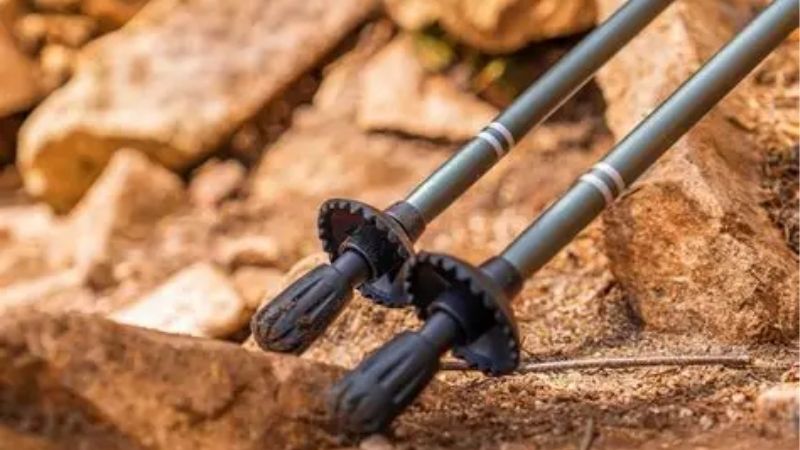
Shaft material is the first fork in the road. Aluminum is heavier but bends rather than snapping, making it dependable for rugged and remote hikes. Carbon fiber is lighter and damps trail vibration, but it can crack if pinched, so it rewards careful use with real weight savings on long days.
Weight adds up over miles. A lighter pair reduces arm fatigue on all-day hikes, while a few extra ounces of aluminum buys peace of mind far from help. Any honest trekking pole guide frames this as a trade-off between saving weight and guaranteeing a pole that survives abuse.
Lock Type and Grip
Locks and grips shape everyday use. External lever locks adjust fast and hold reliably even wet or gloved, while twist locks are lighter but can slip when dirty. Cork grips mold to your hand and wick sweat, foam is soft and light, and rubber suits cold weather but chafes bare skin.
Comfort compounds over a long hike. A grip that fits your hand and a lock you can adjust without fuss make poles a pleasure rather than a chore. Try to handle poles in person if you can, since grip shape and lever feel vary more than the spec sheets suggest.
Packing Style and Fit
How poles collapse decides how they travel. Telescoping poles adjust over a wide range and pack down moderately, folding poles collapse to a tiny bundle but adjust little, and fixed poles are lightest but must be sized correctly when you buy. Match the style to your pack and travel.
Fit matters as much as packing. A pole set to the right length keeps your elbow near a comfortable ninety degrees on flat ground. A good trekking pole guide reminds you that adjustable poles let you shorten for climbs and lengthen for descents, adapting to the terrain underfoot.
Top Picks: Poles for Every Hiking Style
With those factors in mind, this trekking pole guide lines up five strong pairs, each matched to a different hiking style. The table sums up the essentials, and the reviews below explain who each pair suits and the trade-offs you should expect before you decide.
| Pole | Material | Lock | Packing | Best For |
|---|---|---|---|---|
| REI Co-op Trailmade | Aluminum | Lever | Telescoping | Day hiking |
| Leki Makalu Lite | Aluminum | Speedlock | Telescoping | Backpacking |
| Black Diamond Distance Carbon Z | Carbon | Folding | Folding | Ultralight |
| Cascade Mountain Tech Carbon | Carbon | Quick lock | Telescoping | Budget |
| Black Diamond Alpine Carbon Cork | Carbon | FlickLock Pro | Telescoping | Premium comfort |
REI Co-op Trailmade – Best for Day Hiking
For casual day hikes, the REI Co-op Trailmade is an affordable, reliable pair. Its aluminum shafts handle everyday trails, lever locks adjust easily, and a comfortable grip makes it a sensible first set of poles for hikers who want stability and knee relief without a big investment.
It is heavier than carbon and lacks the refined grips of premium models. But for occasional day hikers who want dependable poles at a friendly price, it covers the essentials well and holds up to regular use.
Leki Makalu Lite – Best for Backpacking
The Leki Makalu Lite is a bombproof aluminum pole built for long, loaded trips. Its Speedlock lever holds firmly under a heavy pack, the ergonomic Aergon grip eases wrist strain over big miles, and the durable build inspires confidence deep in the backcountry where reliability matters most.
It is heavier than carbon options and priced above budget poles. But for backpackers who value a pole that simply will not fail on a multi-day trek, its durability and comfort justify the cost.
Black Diamond Distance Carbon Z – Best Ultralight
The Black Diamond Distance Carbon Z is the pick for fast, light travel. Its folding Z-pole design collapses to a tiny bundle, the carbon shafts drop the pair to around nine ounces, and it deploys in seconds, making it ideal for trail runners, fast-packers, and thru-hikers watching every gram.
Fixed-length versions must be sized at purchase, and thin carbon is less forgiving of abuse. But for minimum weight and maximum packability, no other pole in this trekking pole guide packs down so small.
Cascade Mountain Tech Carbon – Best Budget
The Cascade Mountain Tech Carbon poles deliver premium features at an entry price. They combine carbon shafts, cork grips, tungsten tips, and a wide adjustment range with a full accessory kit, offering real trail performance for a fraction of what comparable premium poles cost.
The quick locks are less refined than top-tier levers, and durability trails premium poles over years of hard use. But for budget-minded hikers or outfitting a family, the value is outstanding.
Black Diamond Alpine Carbon Cork – Best Premium
The Black Diamond Alpine Carbon Cork is a comfort-focused premium pole. Its carbon shafts absorb trail shock beautifully, the cork grips mold to your hands over time, and reliable FlickLock Pro levers hold under load, making it a favorite for hikers who want all-day comfort on demanding terrain.
It costs a premium and, at around 17 ounces per pair, is not the lightest carbon option. But for those who prioritize grip comfort and shock absorption on long, rugged hikes, it is a superb choice.
Frequently Asked Questions
A few questions come up again and again when hikers read a trekking pole guide. Here are quick, practical answers to help you finalize your choice.
Folding or telescoping poles?
Folding poles collapse to the smallest packed size and deploy fast, which suits runners and ultralight hikers, but they adjust little. Telescoping poles adjust over a wide range and pack moderately, making them more versatile for varied terrain. Choose based on whether packability or adjustability matters more to you.
What grip material is best?
Cork is the top choice for long hikes, since it molds to your hand, wicks sweat, and stays comfortable in heat. EVA foam is softer and lighter but holds moisture, while rubber suits cold conditions but can chafe. For most three-season hiking, cork offers the best all-around comfort.
Do lever locks or twist locks work better?
Lever locks are more reliable overall, holding firmly under load and adjusting easily even wet, cold, or gloved. Twist locks are lighter and cleaner but can slip when dirty or worn. For dependable performance on real trails, most hikers are better served by an external lever lock.
How long should trekking poles last?
Quality poles can last many years with care. Aluminum shafts endure abuse and bend rather than break, while carbon lasts well if you avoid pinching it between rocks. Replacing worn tips and baskets extends their life, and a solid warranty from a reputable brand adds long-term peace of mind.
See More:
- Best camp chair
- Lightweight camp chair
- Camping table review
- Backpacking cookware set
- Camp stove review
Final Thoughts
The point of this trekking pole guide is to match poles to your hiking style. The REI Trailmade suits day hikers, the Leki Makalu Lite backpackers, and the Distance Carbon Z ultralight travelers, while the Cascade Carbon covers budgets and the Alpine Carbon Cork delivers premium comfort. Weigh material, lock, grip, and packing, then pick the poles that fit how you hike.