
Key takeaways
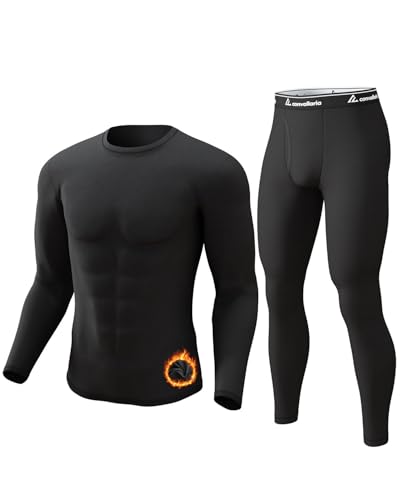
- Base layer: A snug thermal set like the DEVOPS or men’s thermal long johns wicks sweat off your skin. Never cotton, which holds moisture and chills you.
- Mid layer: Fleece or a woobie-style insulated hoodie traps warm air. This is your primary insulation.
- Outer layer: A softshell or waterproof jacket, such as the Outdoor Ventures softshell, blocks wind and snow while letting sweat escape.
Winter camping rewards you with silent, empty trails and snow-hushed nights, but only if you stay warm. Cold is relentless once the sun drops, and the campers who suffer are almost always the ones who dressed wrong or skimped on insulation. The good news is that staying warm is a system, not a single magic jacket, and once you understand layering you can be comfortable well below freezing.
This 2026 guide breaks down the layering strategy and the key gear that keeps body heat in, from base layers to hand warmers to insulated outerwear. Get the system right and winter becomes one of the most rewarding times to be outdoors.
Our top picks



As an Amazon Associate we earn from qualifying purchases at no extra cost to you. Ratings are shown as listed on Amazon.
⚡ Save on Your Next PC — Amazon Prime
Prime members get fast free shipping on the systems above, plus early access to Prime Day & Black Friday PC deals. New members get a 30-day free trial.
Watch: How to Stay Warm While Camping in Winter: Layering and Gear — Video Review
Master the Three-Layer System
Warmth in the cold comes from managing moisture and trapping air in layers you can add or shed:
- Base layer: A snug thermal set like the DEVOPS or men’s thermal long johns wicks sweat off your skin. Never cotton, which holds moisture and chills you.
- Mid layer: Fleece or a woobie-style insulated hoodie traps warm air. This is your primary insulation.
- Outer layer: A softshell or waterproof jacket, such as the Outdoor Ventures softshell, blocks wind and snow while letting sweat escape.
Do Not Neglect Extremities
Most heat loss happens at the head, hands, and feet. A warm hat, insulated gloves, and thick wool socks are non-negotiable. A hand-warmer muff like the Hunter Safety System Muff Pak keeps fingers functional in biting cold, and disposable or rechargeable warmers tucked into gloves and boots make a dramatic difference on the coldest nights.
Insulate From the Ground Up
The ground steals more heat than the air. Use a sleeping pad with a high R-value, ideally 4 or higher for winter, or stack two pads together. A closed-cell foam pad under an inflatable adds insurance. No sleeping bag can compensate for a cold pad, because your body weight compresses the insulation beneath you.
Manage Moisture and Fuel Your Body
Sweat is the enemy: damp clothing conducts heat away fast. Shed a layer before you overheat during activity, then add it back at rest. Eat calorie-dense food and stay hydrated, because your body generates heat by burning fuel. A hot drink and a snack before bed genuinely help you sleep warm.
Choose the Right Outerwear
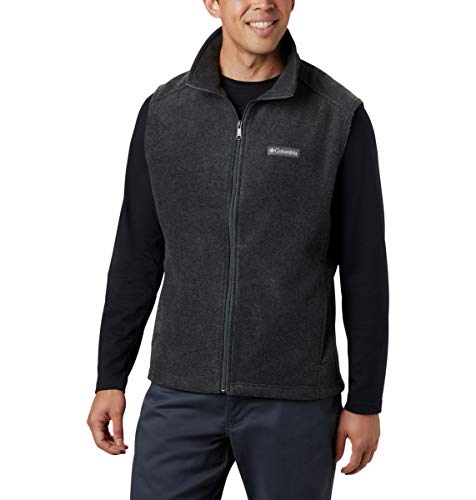
Your shell and insulating pieces should fit over your layers without compressing them. An insulated vest like the Columbia Steens Mountain adds core warmth without restricting arms, while a fleece-lined softshell handles wind and light precipitation. Layering pieces that work together beats owning one bulky coat that traps sweat.
Tips
- Change into dry base layers before bed; the clothes you hiked in are damp even if they feel dry.
- Fill a bottle with hot water and tuck it in your sleeping bag near your core to radiate heat for hours.
- Keep tomorrow’s clothes inside your bag so you dress in warm layers, not frozen ones.
- Vent actively during exertion to avoid sweating, then seal up the moment you stop moving.
Frequently Asked Questions
What should I never wear winter camping?
Avoid cotton in every layer. It absorbs sweat, dries slowly, and pulls heat from your body when wet, which is dangerous in the cold. Choose wool or synthetic base and mid layers instead.
How do I keep my feet warm at night?
Wear dry wool socks, insulate under your sleeping pad, and consider a toe-warmer packet. Never wear the sweaty socks you hiked in, and avoid overly tight socks that restrict circulation.
What sleeping pad R-value do I need for winter?
Aim for R-4 or higher, and stack a foam pad under an inflatable for very cold ground. The pad matters as much as the sleeping bag because it stops conductive heat loss.
Do hand warmers really help that much?
Yes. Placed in gloves, boots, or a muff, they keep extremities functional when temperatures plunge, which improves both comfort and safety by preventing numb fingers and frostbite risk.
Conclusion
Staying warm in winter is about the whole system: wick with a thermal base, trap heat with fleece, block wind with a shell, protect your extremities, and insulate from the ground. Manage moisture, fuel your body, and sleep in dry layers. Nail these fundamentals and the coldest nights outdoors become genuinely comfortable.


Write Your Review
No reviews yet. Be the first to share your experience!