
Key takeaways
- USB-only banks are lighter and cheaper, perfect for phones, tablets, headlamps, and cameras.
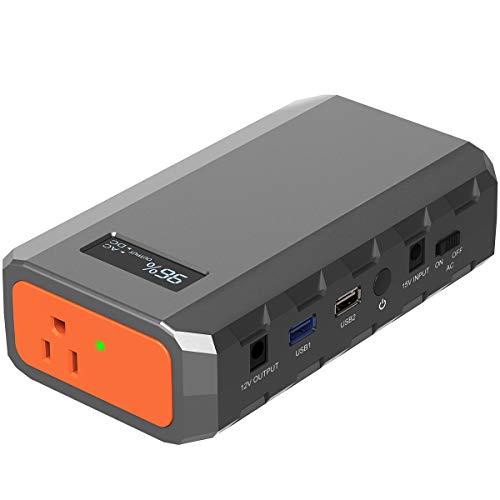
- Power stations with AC outlets, like the Portable Power Bank with 65W 110V output, run laptops and small devices that can’t charge over USB.
- AC units weigh more and cost more, so only choose one if you truly need to power non-USB gear off-grid.
- Check the wattage rating against your device; a 100W station handles most laptops, while higher-draw items need more.
Modern camping runs on batteries, whether it is a phone doubling as a GPS and camera, a headlamp, or a satellite messenger that could save your life. Running out of power off-grid isn’t just inconvenient; it can leave you without navigation or communication. A portable power bank keeps your essential devices alive across a multi-day trip, and choosing the right capacity and features means you carry enough juice without hauling a brick you don’t need.
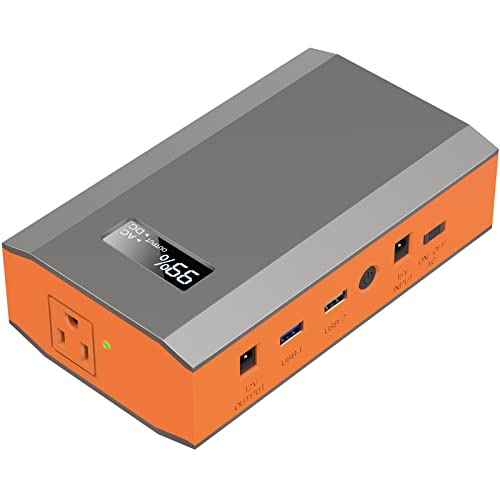
This guide explains how to size a power bank to your gear, weigh solar and AC-outlet options, and pick the right features for camping in 2026. We reference real options from pocketable 20000mAh solar chargers to the Daran Portable Power Station with AC outlets, so you can decide between a lightweight phone-topper and a small off-grid generator for larger devices.
Our top picks




As an Amazon Associate we earn from qualifying purchases at no extra cost to you. Ratings are shown as listed on Amazon.
⚡ Save on Your Next PC — Amazon Prime
Prime members get fast free shipping on the systems above, plus early access to Prime Day & Black Friday PC deals. New members get a 30-day free trial.
Watch: Choosing a Portable Power Bank for Camping: Charging Your Devices Off-Grid — Video Review
Match Capacity to Your Devices
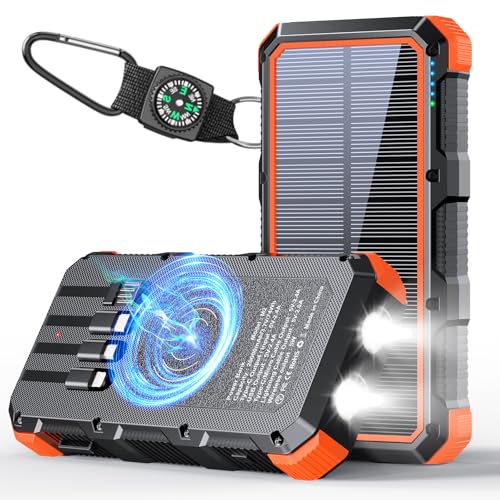
Capacity is measured in milliamp-hours (mAh), and a rough guide is that a modern phone battery is around 4,000-5,000mAh. A 20,000mAh bank therefore delivers roughly three to four full phone charges, while a 50,000mAh unit like the YILANS Portable Charger can keep a group’s phones and headlamps going for days. If you need to run a laptop, CPAP, or small appliance, step up to an AC-outlet power station such as the Daran 89.6Wh or the SinKeu 86.58Wh, which output household-style power.
Decide If You Need an AC Outlet
- USB-only banks are lighter and cheaper, perfect for phones, tablets, headlamps, and cameras.
- Power stations with AC outlets, like the Portable Power Bank with 65W 110V output, run laptops and small devices that can’t charge over USB.
- AC units weigh more and cost more, so only choose one if you truly need to power non-USB gear off-grid.
- Check the wattage rating against your device; a 100W station handles most laptops, while higher-draw items need more.
Consider Solar and Recharge Options
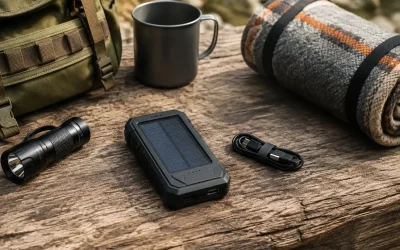
For trips longer than a couple of days, recharging matters. Solar-capable banks such as the 20000mAh Solar Charger Power Bank trickle-charge in sunlight, extending runtime when you can’t reach an outlet, though solar is best treated as a supplement rather than a primary source. Some power stations, like the Daran, accept an optional solar panel for faster off-grid recharging. Also look at input speed: a bank you can top up quickly before a trip via USB-C PD is far more convenient than one that takes all night.
Weigh Charging Speed and Convenience
Fast charging saves time both in and out. Banks with USB-C Power Delivery and Quick Charge, plus multiple outputs like the DAOLOT 50000mAh with four outputs, charge several devices at once and refill phones rapidly. Built-in cables, as on the YILANS model, mean you never forget a cord, and an LED capacity display tells you exactly how much power remains, so you can ration it across the days you are out.
Tips
- Fully charge your power bank at home the night before you leave, since topping up a large unit takes hours.
- Keep the bank warm in cold weather; lithium batteries lose capacity and charge slower in the cold.
- Charge devices during the day and use the bank sparingly at night to make it last the whole trip.
- Turn on airplane mode on your phone to dramatically extend the time between charges off-grid.
Frequently Asked Questions
What size power bank do I need for a weekend camping trip?
For one person charging a phone and a headlamp over a weekend, a 20,000mAh bank giving three to four phone charges is usually plenty. Groups or longer trips benefit from 50,000mAh or an AC power station.
Can a power bank charge a laptop?
Only power banks with an AC outlet or a high-wattage USB-C PD port can charge most laptops. Portable power stations like the Daran or SinKeu with AC outputs are designed for this, while basic USB banks cannot.
Is solar charging worth it for camping?
Solar helps on trips longer than two or three days by slowly extending runtime, but it charges slowly and depends on sun. Treat it as a supplement to a fully pre-charged bank, not your only power source.
How do I keep my power bank from draining in the cold?
Cold reduces lithium battery performance, so keep the bank in an inside jacket pocket or your sleeping bag overnight. Warming it before use restores much of the lost capacity and speeds charging.
Final Thoughts
Choosing a camping power bank starts with counting your devices and their charging needs. For phones and headlamps, a 20,000-50,000mAh USB bank like the YILANS or DAOLOT is ideal; for laptops or appliances, an AC power station such as the Daran steps up. Add solar for long trips, charge fully before you leave, and you will never lose navigation or contact off-grid.







Write Your Review
No reviews yet. Be the first to share your experience!