
Key takeaways
The best safari binoculars let you find and follow wildlife from a moving vehicle in the soft light of dawn and dusk, when game is most active and a shared pair means someone misses the leopard. This guide compares six tested 2026 wildlife picks across magnification, light-gathering, weight, and durability, so you can match a pair to game drives and walking safaris rather than wasting money on the wrong optic.
As an Amazon Associate we earn from qualifying purchases.
🛒 Best Price Today on Amazon
Prime members get fast, free shipping on everything above, plus member-only deals. New members get a 30-day free trial — cancel anytime.
Start 30-Day Prime Free Trial →See Today’s Amazon DealsHow to Choose the Best Safari Binoculars
The best safari binoculars balance magnification, brightness, and weight for hours of wildlife viewing. Before comparing models, weigh four levers that decide the experience: magnification, light-gathering, weight and comfort, and durability. Get these right and you spot and enjoy every animal in rich detail.
Magnification
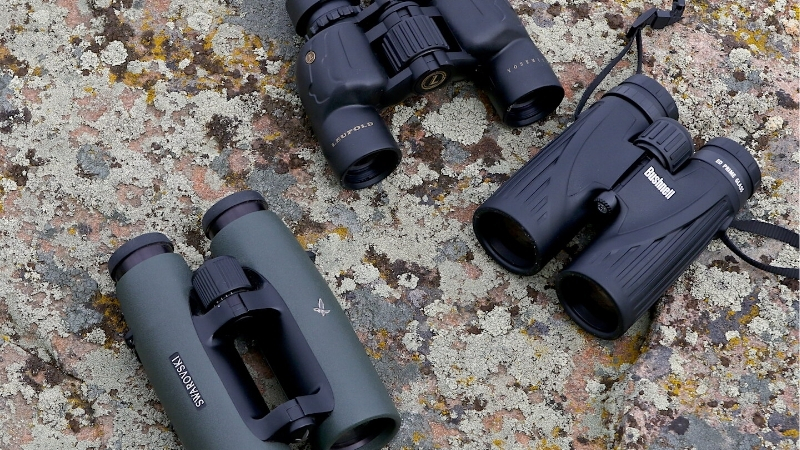
For most safaris, 8×42 is the sweet spot, giving a wider field of view to find animals, a steadier image from a vehicle, and a brighter view at dawn and dusk. It is the safe choice if you are unsure.
A 10×42 adds reach for open plains and very long sightlines if you can hold it steady. The common mistake is buying more magnification than you can hold, since past 10x the image shakes so much you see less detail, not more.
Light-Gathering
Game is most active at dawn and dusk, so a 42-millimeter objective gathers enough light for bright views when it matters most. Larger lenses reveal detail in the low light of early game drives.
Fully multi-coated lenses and quality prisms boost light transmission, contrast, and color for lifelike images. If you often view in soft light, prioritize a 42-millimeter objective over a smaller, dimmer compact.
Weight and Comfort
You may glass for hours from a vehicle, so weight and comfort matter, and a full-size 42-millimeter pair around two pounds can tire your neck over a long day. Lighter builds ease fatigue.
A binocular harness spreads the weight off your neck and keeps optics handy on bumpy roads. Comfortable ergonomics and a secure grip make extended viewing far more pleasant.
Durability
African conditions bring dust, heat, humidity, and the occasional rain, so waterproof and fogproof construction is essential. Nitrogen or argon purging prevents internal fogging in changing conditions.
Rubber armor protects against knocks in a vehicle and on walking safaris. A rugged, sealed pair holds its alignment and clarity through the demands of a real safari, trip after trip.
Buying Safari Binoculars in 2026: Prices and Timing
Beyond specs, timing shapes what you pay for the best safari binoculars in 2026. Imported optics have felt cost pressure, and seasonal sales swing prices, so a little planning stretches your budget.
Tariffs and Import Costs
Most binoculars are imported, and tariffs on imported goods have pushed optics costs upward across the category this year. Brands have described some new prices as estimates that may shift as trade conditions change.
The practical upshot is that a quality pair is unlikely to drop far below its current price at full retail. When a model you want appears at a fair price, buying can beat waiting for a discount that may not materialize.
Seasonal Timing
Optics demand rises heading into travel and holiday seasons, so the deepest discounts often land in the big sales windows. Shopping months before a safari leaves time to compare and practice.
Major events, including October’s Prime Big Deal Days and the late-November Black Friday and Cyber Monday stretch, typically deliver the year’s best binocular deals.
Buy One Per Person
Bring one pair per person rather than sharing, since a sighting often lasts seconds and passing one pair between several people means someone misses the animal. Even a second inexpensive compact beats sharing.
Buying early also lets you practice finding and tracking wildlife and add a harness, so you are ready when a leopard appears on your first game drive.
Top Picks: The Best Safari Binoculars Reviewed
These six picks for the best safari binoculars span a best 8×42, a premium clarity pair, a top value, a value ED option, a premium safari pick, and a budget bundle. The table gives a quick overview, then each review covers who it suits and its trade-offs.
| Model | Config | Best For | Price Tier |
|---|---|---|---|
| Vortex Diamondback HD 8×42 | 8×42 | Best overall safari | Mid |
| Nikon Monarch M5 8×42 | 8×42 | Premium clarity | Mid-premium |
| Celestron Nature DX 8×42 | 8×42 | Best value | Budget |
| Hawke Frontier ED X 8×42 | 8×42 | Value ED glass | Mid |
| Zeiss Terra ED 8×42 | 8×42 | Premium safari | Premium |
| Vortex Crossfire HD 8×42 | 8×42 | Budget with harness | Budget |
Vortex Diamondback HD 8×42
The Vortex Diamondback HD 8×42 is our best overall safari pick, balancing a wide field of view for tracking moving animals with excellent low-light performance for dawn and dusk game drives, all backed by an unbeatable lifetime warranty. Its 8×42 configuration suits most safaris.
There is slight edge softness, though most users will not notice it on game drives. For safari-goers who want quality, durable optics without overspending, it is the top pick.
Nikon Monarch M5 8×42
The Nikon Monarch M5 8×42 is our premium clarity pick, delivering bright, sharp, high-contrast views ideal for spotting and identifying wildlife across the plains. Nikon’s glass expertise shows in lifelike color and detail.
It costs more than value options. For safari-goers who want top-tier brightness and detail for birds and big game, it is worth the investment.
Celestron Nature DX 8×42
The Celestron Nature DX 8×42 is our best value pick, delivering features found in binoculars costing twice as much, with waterproof construction that holds up across African conditions without fogging or alignment issues. Guides are often shocked by its performance for the price.
It is not built for professional birders who need the ultimate optical performance. For first-time or budget-conscious safari-goers, it is outstanding value.
Hawke Frontier ED X 8×42
The Hawke Frontier ED X 8×42 is our value ED glass pick, using high-quality optical components and ED coatings that deliver an almost unbeatable quality-to-price ratio. It punches well above its price for wildlife viewing.
It is less widely known than the big brands. For safari-goers who want premium-feeling ED optics at a mid-range price, it is a smart, high-value choice.
Zeiss Terra ED 8×42
The Zeiss Terra ED 8×42 is our premium safari pick, bringing Zeiss’s renowned optical quality with vivid, crystal-clear images that let you appreciate wildlife in fine detail. It excels in the varied light of game drives.
It sits at a premium price. For safari-goers who want top-shelf clarity and color in a rugged 8×42, it is an excellent, lasting investment.
Vortex Crossfire HD 8×42
The Vortex Crossfire HD 8×42 is our budget-with-harness pick, offering solid HD optics, waterproofing, and an included GlassPak harness that keeps optics secure and handy on bumpy roads. The harness adds real value at the price.
Its glass trails premium pairs in low light. For safari-goers who want quality optics on a budget with a harness included, it hits the sweet spot.
Frequently Asked Questions
Quick answers to the questions travelers ask most when choosing the best safari binoculars for game drives.
Is 8×42 or 10×42 better for safari?
For most safaris, 8×42 is better, giving a wider field of view for finding animals, a steadier image from a vehicle, and a brighter view at dawn and dusk when game is most active. A 10×42 makes sense on wide-open terrain with long sightlines if you can hold it steady. If in doubt, choose 8×42.
Why not just get higher magnification?
The most common safari-optics mistake is buying more magnification than you can hold steady. Past 10x, the image shakes so much handheld that you see less detail, not more, and the narrower field makes finding moving animals harder. From a vehicle without a rest, 8x or 10x delivers the most usable, steady detail.
Do I need waterproof binoculars for safari?
Yes, African conditions bring dust, heat, humidity, and occasional rain, so waterproof and fogproof construction is essential. Nitrogen or argon purging prevents internal fogging when moving between temperatures. Rugged, sealed optics hold their clarity and alignment through the demands of game drives and walking safaris trip after trip.
Should everyone bring their own pair?
Yes. Most guides carry a pair, but it is shared across the whole vehicle, and wildlife rarely waits its turn. A sighting often lasts only seconds, so passing one pair between several people means someone misses the animal. One pair per person is the firm recommendation, even if the second is an inexpensive compact.
See More:
- best rain jacket for runners
- best everyday carry multi tool
- best travel binoculars
- best rangefinding binoculars
Final Thoughts
Choosing the best safari binoculars comes down to matching magnification, light-gathering, and weight to game drives rather than chasing the highest power. The Vortex Diamondback HD 8×42 leads overall, the Nikon Monarch M5 delivers premium clarity, and the Celestron Nature DX is a value standout, while the Crossfire HD covers the budget. Buy one per person, add a harness, and any of these six will bring African wildlife into vivid focus.
Our top picks



As an Amazon Associate we earn from qualifying purchases at no extra cost to you.




Write Your Review
No reviews yet. Be the first to share your experience!