
Key takeaways
What's inside
The best hiking trail shoes grip rough, technical ground where flatter shoes slip, with aggressive traction, underfoot protection, and a stable ride. This roundup compares six rugged trail shoes by grip, protection, and stability, and notes how 2025-2026 footwear tariffs are lifting prices so you can buy smart.
As an Amazon Associate we earn from qualifying purchases at no extra cost to you. Product prices and availability are accurate as of the date shown and are subject to change.


As an Amazon Associate we earn from qualifying purchases at no extra cost to you. Product prices and availability are accurate as of the date shown and are subject to change.
🛒 Best Price Today on Amazon
Prime members get fast, free shipping on everything above, plus member-only deals. New members get a 30-day free trial — cancel anytime.
How to Choose the Best Hiking Trail Shoes
Choosing the best hiking trail shoes for rugged terrain starts with aggressive traction and underfoot protection, then stability and waterproofing. Since footwear is almost entirely imported, 2025-2026 tariffs are pushing prices up, which makes a durable, capable pair worth the spend.
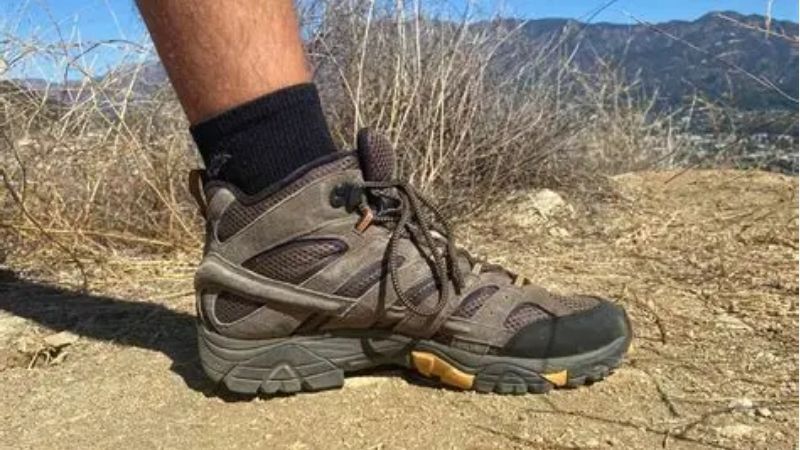
Aggressive Traction
On rough trails, traction is everything. Deep, well-spaced lugs bite into mud, loose dirt, and scree, while sticky rubber compounds like Vibram Megagrip or La Sportiva’s FriXion hold on wet rock where harder, cheaper rubber slides out from under you.
A defined heel brake helps you slow down on steep, loose descents, and multidirectional lugs grip on both climbs and downhills. For technical trails, prioritize grip over a smooth ride, since a slip on rock or scree can end a hike fast.
Match lug depth to your terrain. Aggressive lugs excel on soft, rough ground but wear faster on pavement and feel clunky on hardpack, so pick the pattern for the trails you actually hike rather than the smoothest path near home.
Protection Underfoot
Rugged trails punish your feet with sharp rocks and roots, so underfoot protection matters. A rock plate or firm midsole shields your soles from bruising stone strikes, letting you move confidently over jagged terrain without feeling every point.
A protective toe cap guards against stubbing on roots and rocks, and reinforced overlays shield the upper from abrasion. These features add a little weight but pay off in comfort and durability on the rough, unforgiving ground trail shoes are built for.
Balance protection against trail feel. Too much stiffness dulls your connection to the ground, while too little leaves feet bruised on rocky routes, so choose a level of protection that matches how technical and rocky your usual trails really are.
Stability on Technical Ground
Technical terrain demands a stable platform. A supportive chassis, firm heel counter, and lower-to-the-ground stack keep your foot planted on off-camber sections and uneven rock, reducing the ankle rolls that plague soft, tall, wobbly shoes.
Very cushioned, high-stack shoes feel plush but can tip on rugged ground, so trail-focused shoes often sit lower for stability. Match the balance to your terrain: lower and firmer for scrambly routes, a bit taller for long, rocky but even trails.
Fit reinforces stability. A locked-in heel and snug midfoot keep your foot from sliding inside the shoe on steep, technical ground, so dial in the lacing and choose a shoe whose shape matches your foot for confident footing.
Waterproofing and Durability
Waterproof membranes keep feet dry in mud and light rain but breathe less and dry slowly once soaked, so many trail hikers prefer breathable mesh that drains fast after crossings. Choose based on your climate and how wet your routes usually get.
Durability matters on rugged trails, where sharp rock and abrasion shred flimsy shoes. Reinforced uppers, sturdy outsoles, and quality construction survive rough miles far better than thin, lightweight builds meant for smooth paths and easy terrain.
Durable shoes also hedge against rising prices. Footwear is largely imported and 2025 tariffs pushed costs up, with more increases expected in 2026, so a rugged pair that lasts many rough miles is better value than replacing cheaper shoes often.
Top Picks for the Best Hiking Trail Shoes
These six picks for the best hiking trail shoes handle rugged, technical ground with grip and protection. The table compares weight, drop, and outsole, and each review below adds who it suits along with one honest drawback so you can match a pair to your trails.
| Shoe | Weight | Drop | Outsole | Best For |
|---|---|---|---|---|
| Salomon X Ultra 5 | ~13 oz | ~11 mm | Contagrip | All-around trails |
| La Sportiva Bushido II | ~11.6 oz | 6 mm | FriXion XT | Technical terrain |
| Hoka Speedgoat 5 | ~10.3 oz | 4 mm | Vibram Megagrip | Cushioned rough miles |
| Brooks Cascadia 18 | ~10.7 oz | 8 mm | TrailTack | Stable ride |
| Merrell Moab 3 | ~15 oz | Moderate | Vibram | Value |
| Altra Lone Peak 8 | ~10.6 oz | 0 mm | MaxTrac | Zero-drop |
Salomon X Ultra 5 — Best All-Around Trail Shoe
The Salomon X Ultra 5 pairs a grippy Contagrip outsole with a supportive, stable chassis, handling rough day-hike trails and light backpacking at about 13 oz. Its precise fit and quick lacing make it confident on uneven, rocky ground.
The fit runs narrow and it is less plush than tall trail runners on long miles. As a stable, grippy all-around trail shoe, though, it is hard to fault for most rugged terrain.
La Sportiva Bushido II — Best for Technical Terrain
The Bushido II is purpose-built for steep, technical trails, with a sticky FriXion XT outsole, aggressive lugs, and a firm, precise fit at around 11.6 oz. It grips rock and scree confidently where softer shoes slip on rugged alpine ground.
The firm ride and snug fit are less forgiving on mellow trails and wide feet. For scrambly, mountainous terrain, however, it is one of the most capable trail shoes you can lace up.
Hoka Speedgoat 5 — Best Cushioned Rough Miles
At about 10.3 oz, the Hoka Speedgoat 5 delivers a tall, plush stack and full Vibram Megagrip outsole that grips rough trails while soaking up sharp rock. It suits hikers who want protection and cushioning over rugged, rocky miles.
The tall stack feels less stable on off-camber ground than lower shoes. For cushioned protection on rough terrain, though, its grip and comfort make it a long-standing favorite.
Brooks Cascadia 18 — Best Stable Ride
The Brooks Cascadia 18 is known for a stable, protective ride on rugged trails, with a balanced platform, decent underfoot shielding, and a grippy TrailTack outsole at about 10.7 oz. It is a dependable, confidence-inspiring rough-trail shoe.
It is less nimble than lower, firmer technical shoes and the grip is good rather than elite on wet rock. For a stable, protective ride on rough ground, though, it delivers.
Merrell Moab 3 — Best Value
The Merrell Moab 3 low brings out-of-the-box comfort, a grippy Vibram outsole, and a protective, cushioned build to rugged day hikes at a friendly price. A waterproof option adds versatility for muddy, wet trails and stream crossings.
At about 15 oz it is heavier and less precise on very technical ground than dedicated trail shoes. For value and comfort on rough but moderate trails, though, it is a solid pick.
Altra Lone Peak 8 — Best Zero-Drop
The Altra Lone Peak 8 pairs a zero-drop platform with a wide toe box and balanced MaxTrac grip, keeping you low and stable on rugged ground while letting toes splay on descents. It is a trail favorite for natural-feeling rough hikes.
Zero-drop takes adjustment and the softer outsole wears faster on sharp rock. For a low, stable, natural feel on rough trails, however, it stands apart from higher-drop rivals.
Frequently Asked Questions
Still comparing the best hiking trail shoes? These answers cover the questions hikers ask most about grip, protection, and price on rough ground.
What makes a good trail shoe for rough ground?
Aggressive, sticky lugs for grip, a rock plate or firm midsole for underfoot protection, and a stable, lower platform for confident footing all matter. A locked-in fit and durable, abrasion-resistant upper round out a capable rugged trail shoe. If your routes stay smooth you can trade some ruggedness for lighter weight, but on rocky, technical ground these features are what keep you moving safely over the miles.
Are trail shoes different from regular hiking shoes?
Trail shoes emphasize aggressive traction, underfoot protection, and stability for rough, technical ground, while general hiking shoes prioritize all-around comfort. For rocky, steep, or loose terrain, a dedicated trail shoe gives more grip and confidence.
Do trail shoes need to be waterproof?
Not necessarily. Many trail hikers prefer breathable mesh that drains and dries fast after crossings, since a flooded membrane stays wet for days. In cold, wet conditions a membrane helps, so choose based on your climate and typical routes.
Are trail shoes getting more expensive?
Yes. Over 95% of athletic footwear is imported, and 2025 tariffs stacked on high footwear duties, pushing prices up with more increases expected in 2026. Buying a rugged pair on end-of-season sale is the best way to beat the next hike.
See More:
- Best backpack for travel
- Best backpack for traveling
- Best backpack for trips
- Best portable air cooler
Final Thoughts on the Best Hiking Trail Shoes
The best hiking trail shoes match the roughness of your terrain. The Salomon X Ultra 5 is a stable all-rounder, the La Sportiva Bushido II grips technical ground, and the Hoka Speedgoat 5 cushions rocky miles. Prioritize traction, protection, and stability for rough trails, and shop the sales as footwear tariffs push prices higher.
Write Your Review
No reviews yet. Be the first to share your experience!