
Key takeaways
What's inside
The best hiking boots and shoes serve different jobs: shoes are light and fast for day hikes, while boots add support for heavy loads and rough ground. This roundup compares six top picks across both types and notes how 2025-2026 tariffs are lifting footwear prices so you can buy at the right time.
As an Amazon Associate we earn from qualifying purchases.

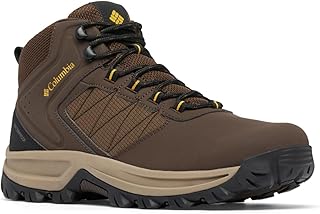


As an Amazon Associate we earn from qualifying purchases.
🛒 Best Price Today on Amazon
Prime members get fast, free shipping on everything above, plus member-only deals. New members get a 30-day free trial — cancel anytime.
How to Choose the Best Hiking Boots and Shoes
Choosing between the best hiking boots and shoes comes down to your load and terrain, then support, weight, and waterproofing. Since footwear is almost entirely imported, 2025-2026 tariffs are pushing prices up, so a well-chosen, durable pair in either style is worth the spend.
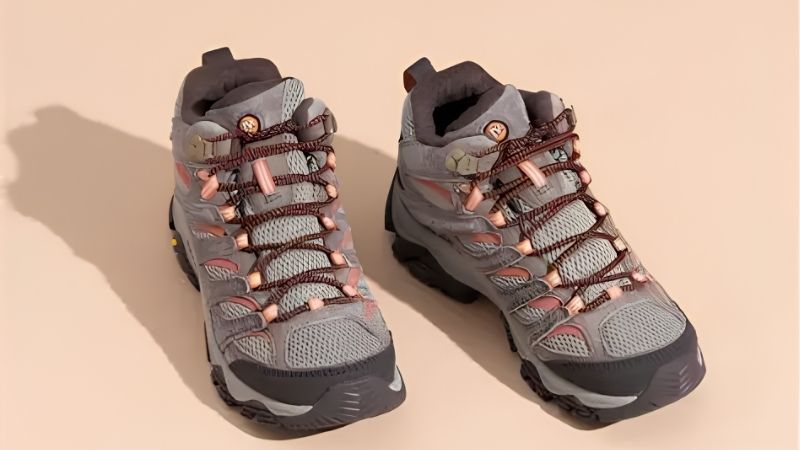
Shoes vs Boots: Which to Choose
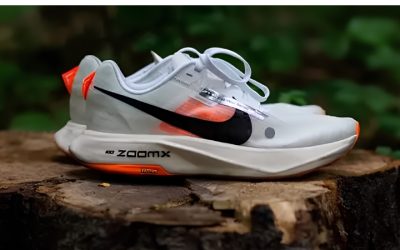
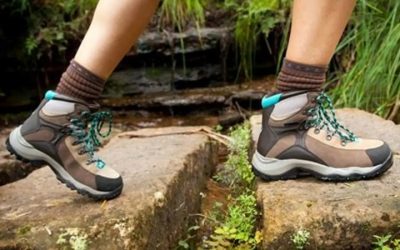
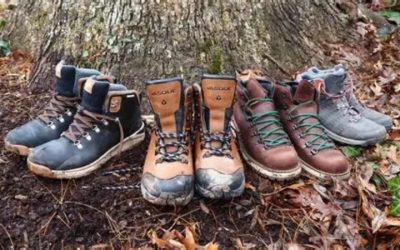
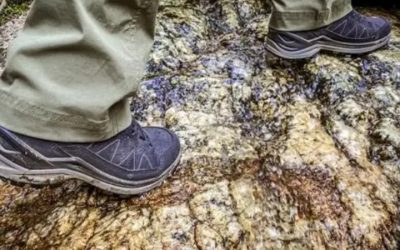
Low hiking shoes and trail runners are light, cool, and quick to break in, ideal for day hikes and light loads. Mid and high boots add ankle support and protection for heavy packs, rough terrain, and shoulder-season conditions where feet need more coverage.
The rule of thumb is simple: lighter load and smoother trail favor shoes, while heavier pack and rougher ground favor boots. Neither is universally better, so match the footwear to the hikes you actually do most rather than to one extreme outing.
Many hikers own both, using shoes for fast day hikes and boots for backpacking. If you can only buy one, a supportive low shoe or a lightweight mid boot covers the widest range of day-hiking conditions comfortably and without overspending.
Support and Ankle Protection
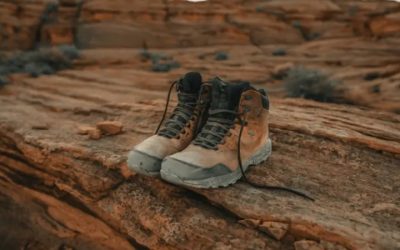
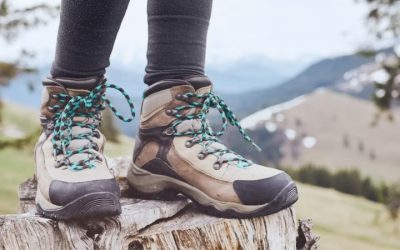
Boots wrap the ankle and use a stiffer midsole to resist twisting under a load, which protects your feet on uneven ground with a pack. Shoes flex more and let your feet move naturally, which feels great unloaded but offers less protection.
Support should scale with weight. Under a heavy multi-day pack, a stiff boot noticeably reduces fatigue and ankle rolls; on a light day hike, that same stiffness just feels clunky and slow compared with a nimble, flexible hiking shoe.
Ankle support is not a cure-all, though. Strong ankles and trekking poles reduce the need for a high cut, so plenty of fit hikers happily carry moderate loads in low shoes on terrain that others would only tackle in boots.
Weight and Comfort
Weight on your feet tires you faster than weight on your back, so lighter footwear pays off over a long day. Shoes typically weigh 10-14 oz each, while boots run 2-3 lb per pair, a difference you feel with every single step.
Comfort also depends on cushioning and break-in. Most hiking shoes are comfortable out of the box, while stiffer leather boots need breaking in on short walks first so the upper flexes and any hot spots show up well before a big trip.
Fit trumps everything for comfort. Whether you choose boots or shoes, lock the heel, leave toe room for descents, and try footwear on late in the day with hiking socks so you buy the size and width your feet actually are on the trail.
Traction and Waterproofing
Both boots and shoes live or die by their outsole. Sticky rubber like Vibram or Contagrip with deep, well-spaced lugs grips wet rock, mud, and loose descents, while a defined heel brake helps you slow down on steep downhill sections.
Waterproof membranes keep feet dry in mud and light rain but breathe less and dry slowly once soaked. Non-waterproof mesh shoes run cooler and drain fast, so pick waterproofing based on your climate rather than defaulting to a membrane every time.
Whatever you choose, buy the version that fits your usual conditions rather than paying for both, since footwear prices are rising with tariffs. A breathable pair plus wool socks and gaiters handles more wet weather than most hikers expect.
Top Picks for the Best Hiking Boots and Shoes
These six picks for the best hiking boots and shoes cover three low shoes and three supportive boots, so you can choose the right style for your hikes. The table compares type, weight, and ideal use, and each review adds a drawback.
| Footwear | Type | Weight | Best For |
|---|---|---|---|
| Salomon X Ultra 5 | Low shoe | ~13 oz | All-around day hikes |
| Merrell Moab Speed | Low shoe | ~13 oz | Value shoe |
| Hoka Speedgoat 5 | Trail runner | ~10.3 oz | Cushioned miles |
| Merrell Moab 3 Mid | Mid boot | ~2 lb 1 oz | Day-hike support |
| Salomon Quest 4 GTX | Backpacking boot | ~3 lb | Heavy loads |
| KEEN Targhee IV Mid | Mid boot | ~2 lb | Wide feet |
Salomon X Ultra 5 — Best All-Around Shoe
The Salomon X Ultra 5 is a supportive low-cut hiking shoe (about 13 oz) with a grippy Contagrip outsole and quick-pull lacing, handling day hikes and light backpacking. A GORE-TEX version adds waterproofing for muddy and wet conditions.
The fit runs a little narrow and the waterproof version breathes less in heat. As a do-everything low shoe, though, it balances weight, grip, and support superbly for most hikers.
Merrell Moab Speed — Best Value Shoe
The Merrell Moab Speed is a lighter, nimbler take on the classic Moab, keeping a cushioned, stable ride and grippy Vibram outsole. It is an easy-fitting, budget-friendly low shoe for casual and new day hikers who want out-of-the-box comfort.
It is less precise on technical terrain and durability is good rather than exceptional. For value and immediate comfort, though, it is genuinely hard to beat among low hiking shoes.
Hoka Speedgoat 5 — Best Cushioned Miles
At about 10.3 oz per shoe, the Hoka Speedgoat 5 is a plush trail runner that doubles as a fast-hiking shoe, with a tall stack and a full Vibram Megagrip outsole. The cushioning soaks up long, rocky miles and reduces foot fatigue.
The tall stack feels less stable on off-camber ground and the mesh upper gives little support under a heavy pack. For cushioned distance, though, it is a long-standing favorite.
Merrell Moab 3 Mid Waterproof — Best Day-Hike Boot
The Merrell Moab 3 Mid is a comfortable, waterproof mid boot (about 2 lb 1 oz) that adds ankle support and protection without much break-in. Its grippy Vibram outsole and cushioned ride suit day hikes and light loads for most hikers.
The membrane breathes less in heat and it is less supportive under a heavy pack. For day hikes with light loads, though, it is a reliable value benchmark among mid boots.
Salomon Quest 4 GTX — Best for Heavy Loads
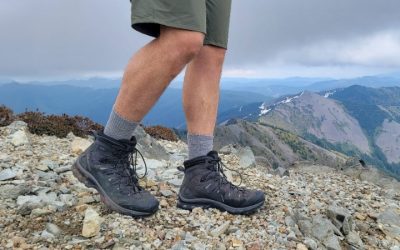
The Salomon Quest 4 GTX is a supportive backpacking boot with a GORE-TEX membrane, a stiff chassis, and a grippy outsole. It carries heavy packs over rough terrain while staying comfortable on long, multi-day trips into the backcountry.
At around 3 lb per pair it is heavy and pricey, and overkill for short walks. For loaded backpacking, however, few boots feel as planted and secure underfoot.
KEEN Targhee IV Mid Waterproof — Best for Wide Feet
The KEEN Targhee IV Mid is beloved for its roomy toe box and generous width, a top boot for wider feet. A waterproof membrane, leather-and-mesh upper, and grippy outsole handle mixed terrain comfortably at around 2 lb per pair.
The relaxed fit is less precise on technical ground and the toe bumper feels bulky to some. For wide feet and easygoing comfort, though, it is hard to beat among mid boots.
Frequently Asked Questions
Still weighing the best hiking boots and shoes? These answers cover the questions hikers ask most about choosing between the two styles.
Should I get hiking boots or shoes?
Choose shoes for day hikes and light loads, where their lower weight and cooler feel shine. Choose boots for heavy packs, rough terrain, and shoulder-season conditions that need more support and protection. Many hikers own both and pick by trip.
Are hiking shoes safe without ankle support?
For most day hikes on moderate terrain with a light pack, low shoes are perfectly safe and very popular. Boots help under heavy loads or on rough, uneven ground, and trekking poles reduce the need for a high cut on tricky descents.
Do hiking boots and shoes need to be waterproof?
Waterproof versions keep feet dry in mud and light rain but breathe less and dry slowly if flooded. In hot, dry climates, non-waterproof mesh drains and dries faster, so choose based on your usual conditions rather than always picking a membrane.
Are hiking boots and shoes getting more expensive?
Yes. Over 95% of athletic footwear is imported, and 2025 tariffs stacked on high footwear duties, pushing prices up with more increases expected in 2026. Shopping end-of-season sales helps you beat the next round of price hikes.
See More:
- Best backpack for travel
- Best backpack for traveling
- Best backpack for trips
- Best portable air cooler
Final Thoughts on the Best Hiking Boots and Shoes
The best hiking boots and shoes each earn a place: low shoes like the Salomon X Ultra 5 for fast day hikes, and boots like the Quest 4 GTX for heavy loads and rough ground. Match the style to your load and terrain, nail the fit, and shop the sales as tariffs push footwear prices higher.
Write Your Review
No reviews yet. Be the first to share your experience!