Our Top Picks
 LANBITOU Ladder A Frame Extension Multi Position Telescoping14FT29 x 4.99 x 47 inchesCheck on Amazon
The best extension ladders for most homeowners are two-section fiberglass models rated Type IA at 300 lbs, in a length that reaches your roofline or gutter with room to spare. Of the ten listings below, five fit that description exactly: four Louisville Ladder lengths and a DeWalt 16-footer. The other five are telescoping or multi-position ladders, a different class that trades heavy-duty rating for portability. We separate the two groups plainly so you can choose the right type before you start comparing lengths.
Quick comparison table

Louisville 24 ft Fiberglass Extension Ladder, FE3224, Type IA, 300 lbs
One of the home product options compared in this guide.
View on Amazon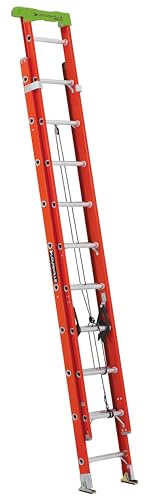
Louisville Ladder 20 ft Fiberglass Extension, L-3022-20PT, Type IA
One of the home product options compared in this guide.
View on Amazon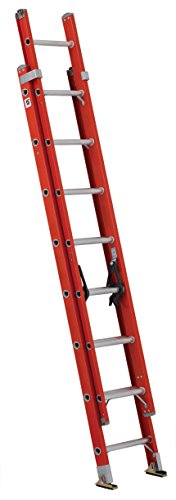
Louisville 16 ft Fiberglass Extension Ladder, FE3216, Type IA, 300 lbs
One of the home product options compared in this guide.
View on Amazon
Louisville 40 ft Fiberglass Extension Ladder, FE3240, Type IA, 300 lbs
One of the home product options compared in this guide.
View on AmazonLANBITOU Ladder A Frame Extension Multi Position Telescoping,14Ft,Silver | 2mm Thickness Aluminum,Stabilizer Bar,Anti-Slip Feet,ANSI Approved,Storage Folding,330Lbs Security Load for Home Stairs Roof
One of the home product options compared in this guide.
View on Amazon
SocTone Telescoping Ladder, Stabilizers, Extension Ladder(12.5FT Standard) | Portable Telescopic RV Ladder for Outdoor Camper Trips Motorhome with Tool Platform
One of the home product options compared in this guide.
View on Amazon
SINMEIRUN Telescoping Ladder, 16.5 FT, 330 lbs Capacity; Orange | EN131 Certified, Straight Extension Ladder; Collapsible Multi-Purpose for Home, Roof and RV
One of the home product options compared in this guide.
View on Amazon
Little Giant Velocity, Aluminum Ladder, 18 ft Reach, 15417-001 | Telescoping Multi-Position Ladder with Extension, A-Frame, 90-Degree & Trestle Modes, Tip & Glide Wheels, 300 lbs. Rating
One of the home product options compared in this guide.
View on Amazon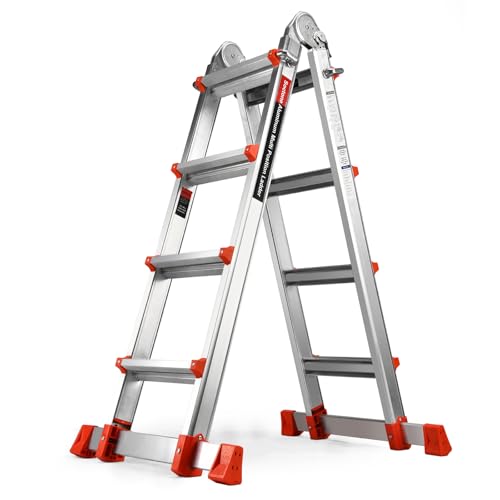
Soctone Ladder, A Frame Extension Ladder, 14 Ft Multi Position Ladder | 330 lbs Weight Rating Telescoping Ladder for Household or Outdoor Work, Multi Position with Stabilizer Bar, Orange
One of the home product options compared in this guide.
View on Amazon
DeWalt 16-foot Fiberglass Extension Ladder, 300-Pound Load Capacity, Type IA, DXL3020-16PT
One of the home product options compared in this guide.
View on Amazon| Model | Key point from the title | Price tier | Best for |
|---|---|---|---|
| Louisville 40 ft FE3240 | Fiberglass, Type IA, 300 lbs | Premium | Tall multi-story reach |
| Louisville 24 ft FE3224 | Fiberglass, Type IA, 300 lbs | Premium | Two-story homes |
| Louisville 20 ft L-3022-20PT | Fiberglass extension, Type IA | Mid-range | Gutters and eaves |
| Louisville 16 ft FE3216 | Fiberglass, Type IA, 300 lbs | Mid-range | Single-story work |
| DeWalt 16 ft DXL3020-16PT | Fiberglass, Type IA, 300 lbs | Mid-range | Contractor-grade basics |
| Little Giant Velocity | Aluminum, 18 ft reach, multi-position, 300 lbs | Mid-range | Storage-friendly versatility |
| LANBITOU 14 ft | A-frame and extension, 330 lbs, aluminum | Budget | Light household jobs |
| Soctone 14 ft A-Frame | Multi-position, 330 lbs, stabilizer bar | Budget | Occasional home use |
| SINMEIRUN 16.5 ft | Telescoping, 330 lbs, straight | Budget | Compact storage |
| SocTone 12.5 ft RV Ladder | Telescoping with tool platform | Budget | Camper and RV access |
Know the types before you shop
A conventional extension ladder is two sections that slide against each other, locked by rung hooks, and you lean it against a wall or roof edge. It needs a firm base and a correct angle, but it is stiff and carries high load ratings. A telescoping ladder collapses into a short package by sliding its rungs inside one another. Some are straight, and some fold into an A-frame or other positions. They are far easier to store, and the better ones can be handy, but their stated weight limits and stiffness often differ from classic fiberglass extension ladders, so read the specifics.
Both groups appear in this roundup because buyers searching for an extension ladder often see them side by side. Be aware that the telescoping group is not a like-for-like substitute for a Type IA fiberglass ladder when the task is a roofline or a trade job. Ladder duty ratings are a standard system in the United States: Type IA is commonly described as extra heavy duty at 300 lbs, but check the marking on the ladder you actually receive.
Aluminum versus fiberglass
Aluminum is lighter and often cheaper, which helps when you carry a ladder alone. It conducts electricity, so it should never go near power lines or electrical equipment. Fiberglass is heavier but is non-conductive when clean and dry, which is why electricians and utility workers prefer it, though no ladder is a safe tool around live lines. Fiberglass can also be more rigid. In either case, a ladder that is dirty, wet or damaged loses some of that protection.
For a general homeowner, the practical differences come down to weight, storage and corrosion. Fiberglass resists rust but can develop surface fibers if left in sun for years; aluminum can dent. Pick the material that fits how you carry and store the ladder, and follow the manufacturer’s label.
What is changing in this category
Extension ladders used to be a simple choice between aluminum and fiberglass in a few standard lengths. The shelves now include telescoping and multi-position designs that collapse small enough to fit in a car trunk, and buyers have started comparing them with traditional ladders even though the two groups serve different needs. Product titles reflect this: a growing number mention stabilizer bars, wheels, tool platforms and RV or household use, while the classic fiberglass listings stick to length, type and weight rating.
Another shift is the way certification is described. U.S. buyers are used to duty types such as IA, while some imported telescoping ladders cite European standards or generic “approved” wording. That is not automatically a problem, but it makes direct comparison harder, which is why we flag it instead of ranking by the number alone. Expect more models with extra features aimed at casual users, and expect careful buyers to keep asking for plain information on rated load, working height and locking design. Whichever group you choose, the safest ladder is the one matched to your task, your height requirement and your ability to set it up correctly without help.
How we sorted the ten
This roundup uses the text in each listing title, published specifications and general patterns in buyer feedback. Nobody on the team used or measured these units. Weight ratings, certifications and “ANSI approved” or “EN131 certified” wording come from the seller and should be verified on the product page and the ladder’s own labels. Price tiers compare the ten against each other only, without dollar figures.
Ladder-by-ladder notes
Louisville 24 ft Fiberglass Extension Ladder (FE3224)
This one is a Type IA fiberglass extension rated at 300 lbs, in a 24-foot length. In plain terms, it is a conventional two-section ladder intended for heavier work than light household jobs. The 24 ft figure is the nominal length, and usable reach at a safe angle is shorter than that, because you extend it while keeping overlap between sections and leaning it at an angle.
It suits a two-story house where you need to reach second-floor gutters and soffits. A realistic scenario is cleaning gutters on the back of a house with a flat, firm patio below.
- Pros: Type IA rating; fiberglass construction; versatile length for most homes.
- Cons: premium tier; likely heavy to carry and set up alone.
Check the listing for ladder weight, rung spacing and whether rope or pulley is included. Question: can I safely raise and lower this length by myself?
Louisville 20 ft Fiberglass Extension (L-3022-20PT)
The L-3022-20PT is a 20-foot Type IA fiberglass extension. The title does not state a capacity figure, though the Type IA rating is commonly associated with 300 lbs. Confirm the load rating on the listing or the ladder’s label.
This length can be a good fit for a split-level or a two-story home where the work is at the first-floor roof edge. It sits in the mid-range tier, so it asks less money than the 24 ft model.
- Pros: Type IA class; middle length; mid-range tier.
- Cons: no weight capacity in the title; heavier and bulkier than telescoping options.
Check the listing for the “PT” in the model code, which may refer to packaging or a feature, and confirm what it means before ordering. Ask: is 20 ft enough for the height I need once I allow for overlap and angle?
Louisville 16 ft Fiberglass Extension Ladder (FE3216)
At 16 feet, this is the shortest of the conventional Louisville ladders, still Type IA and 300 lbs per the title. It is a typical size for single-story eaves, porch roofs and exterior painting on lower walls.
It will be lighter than the 20 and 24 ft models, which makes it easier for one adult to lift. The tradeoff is limited reach: do not try to stretch a short ladder to a tall roof.
- Pros: Type IA rating; easier to handle; mid-range tier.
- Cons: limited reach; price is close to longer models, so the savings are small.
Check the listing for the working-height chart, which usually matters more than the nominal length. Question: does a 16 ft ladder reach the spot I need at a safe angle?
Louisville 40 ft Fiberglass Extension Ladder (FE3240)
A 40-foot extension ladder is a different undertaking from a household ladder. The title still lists Type IA and 300 lbs, but length changes how it is handled. It is the priciest in the set, and the weight and bulk are significant.
It is more of a professional, multi-story or commercial tool, and the realistic scenario is a trained crew with a truck-mounted rack. For a typical home, it is likely oversized.
- Pros: exceptional reach; same Type IA class as the shorter models.
- Cons: premium price; needs two people to handle, storage and transport planning; overkill for most owners.
Check the listing for weight, rope-and-pulley system and the manufacturer’s setup rules. Ask: do I truly need this length, and who will help me raise it?
DeWalt 16-Foot Fiberglass Extension Ladder (DXL3020-16PT)
DeWalt’s 16-foot fiberglass model is a Type IA ladder with a 300 lb load capacity, per the title. Functionally, it sits alongside the Louisville 16 ft: same class, same rating, same length, which makes the decision a matter of price, features and brand preference.
It suits a homeowner who wants a no-frills straight extension for single-story chores, such as hanging holiday lights or replacing a porch light. The model code is a handy detail for matching accessories or manuals.
- Pros: Type IA rating; stated 300 lb capacity; same class as the other conventional options.
- Cons: mid-range tier with little to separate it from the Louisville 16 ft; the title lists no extra features.
Check the listing for rung design, shoe type and weight. Question: what, apart from the brand, justifies choosing this over the Louisville 16 ft?
Little Giant Velocity 18 ft Reach (15417-001)
This aluminum telescoping ladder offers extension, A-frame, 90-degree and trestle modes, with tip-and-glide wheels and a 300 lb rating. It is a multi-position ladder rather than a conventional two-section extension, so it fits a slightly different job list.
A strong use-case is a homeowner with limited storage who needs one ladder for indoor stairs, A-frame tasks and some outdoor reach. The title mentions 18 ft reach, so check whether that is a maximum reach figure rather than the length of the ladder.
- Pros: multiple configurations; wheels for moving it; mid-range tier.
- Cons: aluminum, so avoid electrical hazards; more locks and hinges to inspect than a straight ladder.
Check the listing for ladder weight, working height in each mode and the lock design. Ask: will I actually use more than one mode?
LANBITOU 14 ft Telescoping A-Frame Extension Ladder
LANBITOU describes a multi-position, telescoping aluminum ladder with a stabilizer bar, anti-slip feet, folding storage and a 330 lb “security load”. The title also says ANSI approved and 2 mm thickness, which are seller claims to verify. It is closer to a household step-up ladder than a trade-grade extension.
It could suit a homeowner who wants one portable ladder for roof access to a low roof or for stairs, and mostly stores it in a closet. The title does not give a Type rating.
- Pros: budget tier; folds compactly; stabilizer bar included.
- Cons: no Type rating in the title; thinner aluminum may flex more than fiberglass.
Check the listing for the certification details and rung dimensions. Question: does the claimed standard match what I need, and can I see proof?
Soctone 14 ft A-Frame Extension Ladder
Soctone’s 14 ft ladder is a multi-position, telescoping design with a 330 lb rating and a stabilizer bar, available in orange. It is aimed at household or outdoor work, and as with other budget telescoping ladders, it sits in a different class from Type IA fiberglass.
Occasional tasks such as cleaning a gutter on a low roof or hanging decorations are the realistic fit. Keep expectations modest, and avoid it for heavy, prolonged work.
- Pros: budget tier; multi-position flexibility; stabilizer bar.
- Cons: no duty-type rating in the title; locking mechanisms need frequent checking.
Check the listing for the standard it claims to meet and the working lengths in each mode. Ask: does it come with any load rating label I can read?
SINMEIRUN 16.5 ft Telescoping Ladder
SINMEIRUN markets a straight telescoping ladder of 16.5 ft with a 330 lb capacity and EN131 certification, for home, roof and RV use. EN131 is a European standard, so a U.S. buyer should check whether the listing also names a U.S. standard if that matters for your job.
The straight design makes it the closest telescoping option to a conventional extension ladder. It could fit a homeowner who wants reach in a small package and will treat it as an occasional tool.
- Pros: long nominal reach; compact when collapsed; budget tier.
- Cons: less rigid than fiberglass; certification wording may not match U.S. requirements.
Check the listing for rung locking mechanism, collapsed length and weight. Question: how does the ladder feel at full extension, and is there user feedback on wobble?
SocTone 12.5 ft Telescoping RV Ladder
This SocTone listing is explicitly aimed at campers and motorhomes, with stabilizers and a tool platform. The 12.5 ft Standard is the shortest and lowest-priced item in the set, and it is the weakest match for the keyword: it is a compact telescoping ladder, not a classic extension ladder for house work.
If you own an RV and need to reach the roof for checks, this is a sensible shape. If you need a general-purpose ladder for a home, look at one of the Type IA models instead.
- Pros: lowest price tier; packs small; accessories aimed at RV use.
- Cons: no load rating in the title; narrow use case.
Check the listing for weight capacity, platform design and instructions about roof contact. Ask: is this meant for the job I have in mind?
Buying guide: choosing the right extension ladder
Duty rating and weight capacity
Add your body weight, clothing, tools and anything you carry, then compare with the ladder’s rating. Type IA at 300 lbs is a common choice for homeowners and contractors. If a listing states 330 lbs but gives no Type, ask what standard supports it. Never exceed the rating, and remember that the rating covers the whole load, not only you.
Length and real reach
The nominal length is not your working height. Extension ladders need overlap between sections, and the top should extend about three feet past the roof edge or landing for safe access. A common guideline is the 4-to-1 rule: for every four feet of height, place the base about one foot from the wall. Using that rule, a ladder leaned against a 16-foot point needs a base about four feet away.
Setup, ground and safety
Set it on firm, level ground, lock both rung hooks and check the feet. Keep three points of contact while climbing, stay away from overhead power lines, and avoid using any ladder in high wind, rain or ice. Do not stand on the top rungs unless the label allows it. Follow the manufacturer’s instructions and local codes, and consider a qualified professional for work at height that you are not comfortable doing.
Weight, storage and transport
Fiberglass models above 20 feet can be heavy, and storage is another challenge: a ladder needs a rack or wall hooks and cannot lean against a wall for years without sagging. Telescoping models trade away that bulk. Measure your vehicle, garage and any gate you plan to pass through.
Shoes, accessories and extras
Rubber or serrated feet that pivot adapt better to uneven ground, and wall-protecting caps or standoffs keep rails off gutters and siding. Stabilizer bars, which several telescoping listings mention, widen the contact points at the top. A rope-and-pulley system is standard on longer conventional ladders and helps raise the fly section without lifting it by hand. Leveling feet or a ladder mat are optional extras if your yard slopes. Treat anything beyond the base ladder as a convenience, and do not let an accessory tempt you to use a ladder in conditions it was not designed for.
Light-duty or professional use
Ask how often you will climb and how high. A few outings per year for lights or a gutter clear-out can be fine with a lighter ladder, as long as the rating covers you and your gear. Weekly or contractor-style use calls for the sturdier, higher-rated class, because repeated setup wears locks, rungs and feet. If the choice is between a cheap ladder you will dread using and a pricier one you will actually trust, the second tends to be safer in practice.
Worked example: sizing a ladder for a gutter
Assumptions: you need to rest the ladder at a point 18 feet up, you want the top about 3 feet above that point for a safe step-off, and you follow the 4-to-1 rule. The base then sits about 4.5 feet from the wall (18 divided by 4). The ladder’s length along its slope is roughly 18.5 feet to the support point, plus 3 feet above it, so about 21.5 feet of usable extended length. Because the two sections overlap by a few feet, you would look for a nominal length of around 26 to 28 feet, which means the 24 ft model would be marginal and the 40 ft model is oversized. For a 12 ft eave under the same rules, the 20 ft ladder could suffice. These are planning estimates only; check each ladder’s labeled maximum working length.
| Spec concept | What to look for | Why it matters |
|---|---|---|
| Duty rating | Type IA or higher, clearly labeled | Confirms load class |
| Material | Fiberglass near electricity risks; aluminum for lighter weight | Balances safety, weight and cost |
| Working length | Max working height from the label | Nominal length overstates reach |
| Feet and shoes | Slip-resistant, pivoting feet | Better grip on varied surfaces |
| Locks | Rung locks that visibly engage | Prevents sections sliding |
Safety checklist before every climb
Inspect the ladder for bent rails, cracked fiberglass, loose rungs and damaged feet. Make sure the locks engage fully and that nothing, including mud or paint, is on the rungs or shoes. Place it so that the rails rest on a stable surface and not on a gutter or window glass, unless the manufacturer allows it. Face the ladder, keep your belt buckle between the rails and carry tools in a belt or hoist them up rather than holding them. Have another adult nearby when working high, and never move or shift a ladder while someone is on it.
Mistakes buyers make
The biggest mistake is buying by nominal length. A 24 ft ladder does not let you stand at 24 ft; it provides a working reach significantly lower. Next is mixing up ladder classes: a telescoping ladder with a high weight claim is still a different product from a Type IA fiberglass ladder, and the certification wording may differ. Some buyers also place the base too close to the wall, which makes the ladder steep and unstable, or too far away, which risks slipping. Others ignore overhead lines, use a wet or damaged ladder, or skip the pre-use check of locks and feet. Finally, people choose the cheapest option for frequent roof work, where a sturdier ladder pays off in comfort and confidence. This guide is general safety information, not professional training.
Verdict by use case
For a typical two-story house, the Louisville 24 ft or 20 ft Type IA fiberglass ladders are the strongest on paper, with the 20 ft being the more manageable choice for lower eaves. For single-story work, the Louisville 16 ft and DeWalt 16 ft are close substitutes. If storage matters more than rating, the Little Giant multi-position ladder is the most fully described telescoping option here. The LANBITOU, Soctone 14 ft and SINMEIRUN are budget picks for occasional work, and the SocTone 12.5 ft is best seen as an RV accessory. Avoid the Louisville 40 ft unless you have the reach requirement and the help to handle it.
Related guides
Frequently asked questions
What does Type IA mean on an extension ladder?
Type IA is a duty rating commonly described as extra heavy duty, with a 300 lb load capacity. The load includes you, your tools and anything you carry. The titles for the Louisville and DeWalt ladders here state it. Always confirm the rating on the label of the ladder you receive, and never exceed it, even for a short job.
Is fiberglass better than aluminum for an extension ladder?
It depends on the job. Fiberglass is non-conductive when clean and dry and tends to feel more rigid, but it is heavier. Aluminum is lighter and easier to carry but conducts electricity. Neither material makes working near power lines safe, so keep well clear of overhead wires. Choose based on weight, storage and where you will use it.
How far should an extension ladder be from the wall?
A common guideline is the 4-to-1 rule: place the base about one foot out for every four feet of height to the support point. For a 16 ft support height, that is about four feet. The top should also extend roughly three feet above the roof edge or landing. Follow the manufacturer’s label, since specific models may carry different instructions.
Can a telescoping ladder replace a fiberglass extension ladder?
For light, occasional tasks, a telescoping ladder with a clear load rating can be enough, and it is much easier to store. For roof work, long reach or frequent use, many buyers prefer a conventional Type IA ladder for its rigidity and established rating system. Check the standard and rating named in the listing before relying on any ladder for work at height.
How do I know what length to buy?
Measure the height of the point where the ladder will rest, add about three feet if you need to step onto a roof or landing, and then allow for section overlap and the angle. Nominal length overstates reach, so check the maximum working height on the label. As a rough estimate, buyers often pick a ladder several feet longer than the target height.
Where should I store an extension ladder?
Store it in a dry spot, ideally on wall hooks or a rack that supports the full length, away from heat and heavy objects. Leaning for years can bend it. Keep it out of direct sun for long periods, and inspect rungs, locks and feet before each use. Follow the manufacturer’s care instructions and replace any ladder that shows cracks or bends.