Key takeaways
Shopping for a womens ski jacket can feel overwhelming with the sheer number of technical specifications, proprietary fabrics, and design variations thrown at you by outdoor brands. Finding the right piece of outerwear is about more than just picking a color that looks good in the lodge; it is about balancing weather protection, thermal regulation, and practical mobility so you stay comfortable from first chair to final run. Whether you are upgrading your kit for the 2026 season or buying your very first dedicated ski shell, cutting through the marketing hype is essential to finding a jacket that performs when the weather turns sour.
In this guide, we break down the critical factors that actually influence performance on the mountain. By focusing on core construction details rather than flashy, non-essential features, you can make an informed decision that suits your budget, local climate, and skiing style. Let us dive into the specifications and design elements that truly matter when choosing your next snow jacket.
As an Amazon Associate we earn from qualifying purchases at no extra cost to you.
Waterproofing and Breathability Ratings Explained
The primary job of any ski jacket is to keep moisture out while letting sweat escape. Waterproof ratings are measured in millimeters, indicating how much water pressure a fabric can withstand before leaking. For resort skiing in wet, heavy snow, look for a minimum rating of 10,000mm, while areas prone to torrential downpours or freezing rain benefit from 20,000mm or higher. However, waterproofing means nothing if you trap internal moisture. Breathability ratings, measured in grams per square meter, tell you how much water vapor can pass through the fabric over 24 hours. Pairing a high waterproof rating with a matching breathability rating prevents the dreaded clammy feeling during high-output runs.
Insulation Types: Down, Synthetic, or Shell
Deciding how much warmth you need dictates your choice between an insulated jacket, a multi-layer system, or a dedicated shell. Down insulation offers unmatched warmth-to-weight ratios and packability, making it ideal for freezing, dry climates. However, traditional down loses its insulating properties when wet, though many modern jackets feature treated hydrophobic down. Synthetic insulation mimics the warmth of down while retaining insulating capability even when damp, making it a reliable choice for variable winter weather. If you prefer total control over your layering system, a non-insulated shell allows you to add or subtract fleece and mid-layers depending on the daily temperature.
Fit, Mobility, and Layering Compatibility
A ski jacket should never restrict your range of motion when carving down a groomer or reaching for a zipper. When trying on jackets, wear the actual base layers and mid-layers you plan to use on the mountain. Check the articulation in the arms and shoulders—raise your arms overhead and cross them across your chest to ensure the hem does not ride up and expose your lower back to the elements. Women-specific cuts often feature tailored shaping through the waist and hips with extra room in the shoulders, ensuring a comfortable fit that does not bunch up under a backpack or restrict movement.
Essential Features vs. Marketing Gimmicks
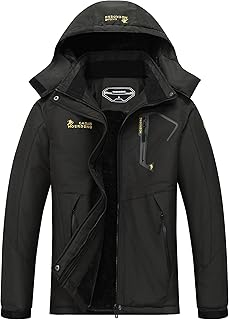
Manufacturers love to pack ski jackets with endless features, but only a handful truly matter for everyday comfort. Pit zips are an absolute game-changer for dumping excess heat on warm spring days or during strenuous hikes. A helmet-compatible hood with multi-point adjustments ensures your peripheral vision is not blocked when the weather turns fierce. Look for secure, well-placed pockets, including an interior media pocket with a headphone port, a dedicated pass pocket on the left sleeve, and deep hand warmer pockets. A powder skirt is another vital feature for keeping snow out of your layers during a deep powder day or a wipeout.
Matching the Jacket to Your Ski Style
Your preferred terrain and skiing habits should heavily influence your jacket choice. Resort skiers who spend time riding lifts and hanging out in the chalet often appreciate insulated designs with plush collars, fleece-lined hand pockets, and integrated powder skirts. Conversely, backcountry skiers and sidecountry explorers prioritize lightweight, highly breathable hardshells that pack down small inside a backpack during ascents and block fierce alpine winds on exposed ridges. Consider where you spend most of your time on the mountain and buy for that specific environment rather than rare worst-case scenarios.
When to Spend More on Premium Materials
Ski jackets range widely in price, from budget-friendly options to premium garments costing upwards of several hundred dollars. Investing in higher-priced jackets usually gets you industry-leading waterproof membranes, superior durable water repellent finishes that resist wetting out longer, and exceptionally durable face fabrics that resist abrasion from tree branches and ski edges. If you ski fewer than five days a year in mild weather, a mid-range jacket will serve you well. However, if you log dozens of days on the mountain in harsh conditions, premium materials pay for themselves through longevity and reliable, storm-proof performance.
Related Guides
To help you narrow down your options across different styles and price points, check out our expert roundups including our womens ski jackets guide for our top overall picks, or explore the mens ski jackets review if you are shopping for a partner or looking for alternative fit profiles.
FAQ
Do I need a hardshell or an insulated jacket?
The choice depends on your cold tolerance and local climate. Insulated jackets provide built-in warmth and work best for cold, resort-based skiing, while hardshells offer versatile weather protection that lets you customize your warmth using layers.
What waterproof rating is actually enough for resort skiing?
A rating of 10,000mm is generally sufficient for light snow and dry conditions. If you frequently encounter wet snow, sleet, or heavy storms, look for a rating of 20,000mm or higher to stay completely dry.
How should a women’s ski jacket fit with layers?
It should fit comfortably through the shoulders and chest without pulling when you move your arms, leaving enough room underneath for a thermal base layer and a fleece mid-layer without feeling restrictive or bulky.
Are pit zips really necessary?
While not strictly mandatory, pit zips are one of the most useful ventilation features on a ski jacket. They allow you to rapidly regulate your body temperature during high-output runs or sunny afternoon sessions without taking your jacket off.