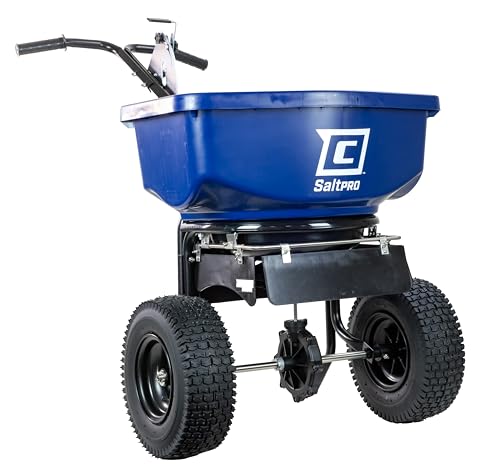
Our Top Picks
 Lawn Stryper- Generation 3 Lawn Striping System/Stripe Your24 x 9 x 7 inches11.3 poundsCheck on Amazon
For a big lawn, the best walk-behind mower is the widest deck you can still push, steer and store, and our top pick is the EGO Power+ 30-inch self-propelled cordless mower, with the Toro 30-inch eTimeMaster as the runner-up for anyone who wants a steel deck and a third-battery option. The EGO wins on a stated long runtime and two independent blades, and the Toro wins on a familiar steel deck and an adjustable walking-pace drive. If you would rather stay with gasoline and spend far less, the SENIX 22-inch 201cc self-propelled model is the value choice.
This guide covers wide-cut and walk-behind mowers for homeowners with big lawns, side slopes and a wish for stripes. It also answers the questions people type into search boxes: which walk-behind mowers are easy to start and push, whether rear-wheel drive beats front-wheel drive on hills, which models bag at the rear or mulch, and where flail and trail mowers fit. We did not personally use any of these machines; this guide is research-based, built from the maker listings and spec sheets we could verify, and anything we could not confirm is marked “not listed.”
Lawn Stryper- Generation 3 Lawn Striping System/Stripe Your Lawn Like A Ballpark/ONLY Works with Honda 20"-22" Residential Walk-Behind Lawn Mowers
Picked as a relevant option in this category.
View on Amazon
Lawn Stryper - Lawn Striping System – UNIVERSAL FIT - Works with Most 20”-22” Gas & Battery Residential Walk-Behind Mowers (Mounting Brackets for over 40 Major Brands Included in Box – See List Below)
Chosen because it specifies Lawn Striping System and UNIVERSAL FIT.
View on Amazon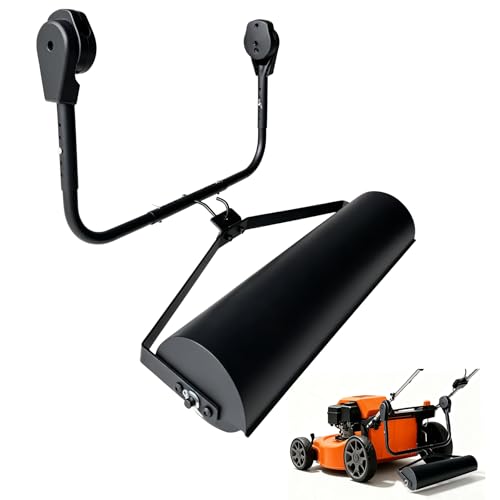
Lawn Mower Striping Roller Set, Heavy Duty Stainless Steel Lawn Striper, Adjustable Self-Install Lawn Striping Tool with Large Weight Fill Port, Suitable for Gas & Electric Push Lawn Mowers
Chosen because it specifies Heavy Duty Stainless Steel Lawn Striper and Suitable for Gas & Electric Push Lawn Mowers.
View on AmazonTop Picks at a Glance
- Best Overall (wide deck): EGO Power+ 30-inch self-propelled cordless mower
- Best Wide Deck, Steel Build: Toro 60V MAX 30-inch eTimeMaster Personal Pace
- Best Value Gas Self-Propelled: SENIX 22-inch 201cc 3-in-1 variable speed
- Best for Hills (rear-wheel drive): PowerSmart 21-inch 170cc rear-wheel drive
- Best High-Wheel Gas Option: YARDMAX 22-inch 201cc Select PACE
- Best Quiet Battery Walk-Behind: Honda HRX-BV 21-inch battery mower
- Best for Rough Cut: Swisher Predator 24-inch walk-behind rough cut mower
Comparison Table
| Product | Best for | Key specs | Watch for | Price tier |
|---|---|---|---|---|
| EGO Power+ 30-inch | Big flat lawns, fewer passes | 30 in composite deck, self-propelled, two 56V 6.0Ah batteries in the kit | Heavy; check the cutting-height range in the manual | Premium |
| Toro 30-inch eTimeMaster | Wide steel deck, walking-pace drive | 30 in deck, 60V platform, Personal Pace drive | Listing is for the mower without battery or charger | Premium |
| SENIX 22-inch 201cc | Budget gas, steady speed control | 22 in, 201cc, variable speed, 3-in-1 | Brand support network is smaller | Mid-range |
| PowerSmart 21-inch 170cc | Rear-wheel traction on slopes | 21 in, 170cc 4-stroke OHV, rear-wheel drive, steel deck | Narrower cut than the 30-inch models | Mid-range |
| YARDMAX 22-inch 201cc | Rough lawns, big rear wheels | 22 in, 201cc, 6-speed CVT, high wheel, front-wheel drive | Front-wheel drive can slip when the bag is full on a slope | Mid-range |
| Honda HRX-BV 21-inch | Quiet, low-maintenance mowing | 21 in, battery, variable-speed self-propelled | Smaller deck; battery runtime depends on grass | Premium |
| Swisher Predator 24-inch | Overgrown and rough areas | 24 in, 11.5 HP, walk-behind rough cut | Not a finish mower; no stripe pattern | Premium |
1. EGO Power+ 30-Inch Self-Propelled: Best for Wide, Flat Lawns
This is the widest mower in the store that still counts as a normal walk-behind, and that width is the whole point. A 30-inch deck covers about 40 percent more ground per pass than a 21-inch deck (30 divided by 21 is roughly 1.43), so a lawn that takes 60 minutes with a 21-inch mower drops toward 42 minutes, ignoring turns and trimming.
- 30-inch super composite deck, self-propelled
- Kit includes two 56V 6.0Ah batteries
- Maker materials describe two motors driving two independent blades
- Maker materials state up to 75 minutes of runtime with two 6.0Ah batteries
- Cutting-height range: sources disagree (one lists 1 to 5 inches, a retailer lists 1 to 4), so confirm in the manual
Best for: half-acre lawns that are mostly flat, owners who want a wide cut without buying a riding mower. Skip if: your gate is narrower than about 32 inches, you must lift the mower into a truck, or the lawn has tight terraces.
What the specs mean in practice: two independent blades are a sensible way to cut a wide swath without a single long blade, and a composite deck will not rust. The trade-off is weight. One retailer lists an assembled weight around 112 pounds, which is fine to push when self-propelled but awkward to carry. A battery mower also removes oil changes, spark plugs and stale fuel, which is most of what goes wrong with a gas mower after a winter in the shed.
Runtime claims should be read as best-case. Thick, wet or tall grass draws more power, and mulching draws more than side discharge. Plan on checking battery level before you start a large lawn rather than trusting the maximum figure.
Pros: very wide cut, composite deck, no fuel to manage, kit includes batteries. Cons: heavy, premium cost, wide footprint for storage.
2. Toro 60V MAX 30-Inch eTimeMaster: Best Wide Deck with a Steel Build
The Toro matches the EGO on width but takes a different route to get there: a steel deck, a brushless motor and the Personal Pace system, which adjusts drive speed to how fast you walk instead of making you hold a lever.
- 30-inch deck, 60V MAX battery platform
- Personal Pace drive that follows your walking speed
- Maker materials list rear-wheel drive and a top speed of about 4.3 mph
- Cutting height range of about 1.25 to 4.25 inches per the maker
- This store listing is the mower without a battery or charger, so budget for batteries separately
Best for: people who want a wide deck and the easiest possible drive control. Skip if: you do not already own 60V Toro batteries and want one purchase to cover everything.
Rear-wheel drive matters here more than on a small mower. With a 30-inch deck and a bagger on the back, the weight shifts rearward, and driven rear wheels keep their grip when the front end gets light. The maker states a runtime of up to about 65 minutes with two 10Ah batteries and extra time with a third battery in the optional port; check the exact kit before you buy because several battery bundles exist.
Pros: hands-free speed control, steel deck, rear-wheel drive, room for a third battery. Cons: listing does not include batteries, heavy, premium cost.
3. SENIX 22-Inch 201cc Self-Propelled: Best Value Gas Mower
For a big lawn on a budget, a 22-inch gas self-propelled mower is the practical middle path: wider than the common 21-inch, cheap compared with the cordless 30-inch machines, and easy to refuel mid-job.
- 22-inch deck, 201cc engine
- Variable-speed self-propelled drive
- 3-in-1: mulch, side discharge and bagging
- Drive layout (front or rear wheel): not listed in the title, check the product page
Best for: buyers who want the lowest cost per acre mowed and do not mind gas. Skip if: you hate pull cords or want a quiet mower for early mornings.
A 201cc engine is on the larger end for a 22-inch walk-behind, so thick, damp grass should not bog it down as quickly as a 140cc push mower would. Variable speed is the feature to look for on a big lawn: you can slow down through heavy sections and speed up on open stretches without stopping.
Pros: large engine for the deck size, variable speed, 3-in-1 flexibility, strong value. Cons: gas upkeep, newer brand, drive layout not stated in the headline.
4. PowerSmart 21-Inch 170cc Rear-Wheel Drive: Best for Hills
If your question is “which walk-behind mower handles hills,” rear-wheel drive is the first spec to chase. This PowerSmart lists rear-wheel drive, a 170cc 4-stroke OHV engine and a steel deck in a 21-inch format.
- 21-inch steel deck, 170cc 4-stroke OHV engine
- Rear-wheel drive, self-propelled
- 3-in-1 walk-behind design (mulch, bag, discharge)
Best for: side slopes and uphill passes where front-wheel drive loses grip. Skip if: you need the widest cut for a large flat lawn.
We will not promise a slope angle, because none of these listings give a safe maximum and the right figure depends on the grass and your footing. Use common sense: mow across slopes with a walk-behind mower only if the manual allows it, wear shoes with traction, and never mow wet grass on a hill.
Pros: rear-wheel traction, steel deck, solid engine size, 3-in-1. Cons: narrower deck, gas upkeep.
5. YARDMAX 22-Inch 201cc Select PACE: Best High-Wheel Gas Mower
High rear wheels roll over ruts and uneven ground more easily, and this YARDMAX adds a six-speed CVT drive so you can match speed to the grass. The listing calls it a high-wheel front-wheel-drive design.
- 22-inch deck, 201cc engine
- Select PACE 6-speed CVT drive
- High wheel, front-wheel drive
- 3-in-1 mulch, bag and discharge
Best for: bumpy lawns, mixed grass heights, and people who like a stepped speed lever. Skip if: your main need is climbing a steep bank with a full bag.
Front-wheel drive makes turning easy because you tip the front wheels up and pivot, which is a real advantage when you mow around beds and trees. On steeper climbs, front-wheel drive can lose traction as the bag fills, which is why this model sits behind the rear-wheel pick for hills.
Pros: high wheels, six speeds, strong engine for the size, easy pivots. Cons: front-wheel drive on slopes, gas upkeep.
6. Honda HRX-BV 21-Inch Battery Mower: Best Quiet Walk-Behind
Honda built its name on gas walk-behinds, and the HRX-BV moves that experience to a battery platform with variable-speed self-propelled drive. It is the pick for owners who want a quiet, low-maintenance mower and have a medium-to-large lawn they can finish on a charge.
- 21-inch walk-behind, battery powered
- Variable-speed self-propelled
- Battery size and runtime: not listed in the short title, check the full listing
Best for: neighborhoods with noise rules, owners who want push-button simplicity. Skip if: your lawn needs more than one battery charge and you do not plan to buy a spare.
A 21-inch deck is not “wide,” so choose this mower for quality and quietness, not coverage. For comparison, a lawn that takes 40 minutes with a 30-inch mower will take about 57 minutes with a 21-inch one (40 times 1.43). Battery runtime has to cover that longer time.
Pros: quiet, low upkeep, variable-speed drive, familiar brand. Cons: narrower deck, runtime depends on grass, premium cost.
7. Swisher Predator 24-Inch Rough Cut: Best for Overgrown Areas
This one answers the “trail mower” and “rough cut” queries. The Swisher Predator is an 11.5 HP walk-behind rough-cut mower with a 24-inch deck, made for brush, tall weeds and field edges rather than finished lawns.
- 24-inch walk-behind rough-cut deck
- 11.5 HP engine
- Designed for tall grass and light brush, not for manicured turf
- Drive type and blade details: not listed, check the manual
Best for: overgrown lots, fence lines and pasture edges. Skip if: you want a clean cut, mulching or stripes.
A rough-cut mower is a different tool: it chops tall growth coarsely and does not produce a finished look. If you have an acre of lawn plus a back field, owning one finish mower and one rough-cut mower is often cheaper and faster than trying to make one machine do both jobs.
Pros: tackles tall growth, big engine, walk-behind control. Cons: rough finish, heavy, high cost for occasional use.
Also Consider
- MechMaxx 27-inch walk-behind flail mower (wheeled or tracked): a 10 HP, 302cc self-propelled flail with electric start. This is a heavy-duty machine for brush and slopes, not a lawn mower; the tracked version is aimed at rougher terrain.
- DACK lawn striping kit for EGO 21-inch walk-behind mowers: a roller-style kit that fits the EGO LM2100 series only, so it will not suit the 30-inch model.
- FUYEAR universal lawn striping kit: a roller kit with a sand-fill port and adjustable handle bracket, sold as a universal fit; check your handle shape before ordering.
- SENIX high-wheel gas walk-behind brush cutter: a 22-inch swath and 160cc engine, closer to a string mower than a blade mower, and handy for ditches and banks.
How We Chose
This guide is research-based. We reviewed maker spec pages, the product listings in the store, and published reviews from outlets such as Pro Tool Reviews and The Gadgeteer. We did not personally use these products. We kept only models that exist in the store, grouped them by what a buyer on a big lawn, a hillside or a striping project actually needs, and marked unknowns as “not listed” rather than guessing. We did not find Snapper commercial walk-behinds or true commercial wide-area walk-behinds (36 inches and up) in the store, so we do not recommend any, and we have not promised slope degrees or commercial duty ratings.
Buying Guide
Deck width: how much is enough?
A 21 to 22-inch deck is the standard. Step up to 30 inches only when your lawn is a half-acre or larger, your gate is at least 34 inches wide, and you have a place to store a mower that is a foot wider. Width saves time only if you are not constantly slowing down to turn: on a lot with many trees and beds, a 30-inch deck can be slower overall than a 21-inch one.
Push, self-propelled or rear-wheel drive?
A non-self-propelled push mower is cheapest and lightest, but on a large lawn it becomes a workout. Self-propelled drive is worth it above a quarter acre. Front-wheel drive is easier to turn; rear-wheel drive grips better uphill and with a full bag; all-wheel drive exists but we did not find a verified AWD model in the store.
Rear bagging, mulching and side discharge
Look for a “3-in-1” or “4-in-1” label, then check bag capacity. Rear bagging keeps the bag out of the way of your legs and lets you see the cut edge. Mulching works best when you mow often and take only the top third of the blade off each time. For heavy fall leaves, bagging or a leaf-shredding pass is usually better than mulching.
Easy to start and push
Battery mowers start with a button, and most gas models now use a recoil start that wants a smooth, firm pull rather than a hard yank. Check handle height adjustment and weight, and sit the mower on its wheels in a store if you can. If a pull cord is a problem for you, battery or electric-start is the better path.
Striping and finish
Stripes come from bending the grass blades in opposite directions with a roller. A rear roller kit does most of the work, but only on cool-season turf that is cut regularly at a medium height. Do not expect clear stripes from a rough-cut mower or from very short, dry grass.
Decision Matrix: Match Your Yard to a Mower
| Your situation | Choose | Why |
|---|---|---|
| Half-acre or more, mostly flat | EGO 30-inch or Toro 30-inch | Widest deck, fewest passes |
| Side slopes and banks | PowerSmart rear-wheel drive | Driven rear wheels hold grip |
| Bumpy, rutted lawn | YARDMAX high-wheel | Large wheels roll over ruts |
| Tight budget, large lawn | SENIX 22-inch gas | Large engine for the deck size |
| Noise rules, no fuel storage | Honda HRX-BV or EGO | Battery power, push-button start |
| Field edges and tall weeds | Swisher rough cut or a flail mower | Built for brush, not turf |
Worked Example: Time Saved by a Wider Deck
Take a 20,000 square foot lawn (about 0.46 acre). At a walking pace of roughly 3 mph, a mower moves about 15,800 feet per hour. With an effective cut of 20 inches (a 21-inch deck with overlap), the area covered is about 15,800 x 1.67 = roughly 26,400 square feet per hour, so the lawn takes about 45 minutes before turns. With an effective cut of 28 inches (a 30-inch deck with overlap), coverage is about 15,800 x 2.33 = roughly 36,900 square feet per hour, or about 33 minutes. That saves roughly 12 minutes per mow, or about 5 hours over a 25-mow season. Real results vary with turns, trees and trimming, but the arithmetic shows why width matters most on open lawns.
Ownership Realities: What Wears First
On gas mowers the first wear items are the air filter, spark plug, oil and blade. Change the oil and clean the filter at the intervals in the manual, and use fresh fuel; old fuel is the leading cause of a mower that will not start in spring. On battery mowers, the batteries are the cost to plan for, so store them indoors at a moderate temperature and avoid leaving them fully drained for long stretches. On every mower, sharpen or replace the blade at least once a season, since a dull blade tears grass and makes the lawn look pale at the tips.
Deck care is simple: after each mow, scrape wet clippings from underneath (with the engine off, the spark plug disconnected or the battery removed). Composite decks resist rust, while steel decks should be kept dry and touched up if the paint chips. Check that wheels and height levers move freely, and keep the handle bolts tight, since vibration loosens them over time.
Finally, consider storage: a 30-inch mower needs about 3 square feet of floor and does not always fit through narrow shed doors. Foldable handles help, and some battery mowers can stand on end, but check the maker guidance before storing a gas mower upright because oil and fuel can leak.
Common Mistakes
- Buying a 30-inch deck for a yard with a 30-inch gate.
- Choosing front-wheel drive for a hilly yard.
- Assuming battery runtime figures apply to tall, wet grass.
- Skipping the manual’s slope guidance and mowing too steep.
- Expecting a rough-cut mower to leave a lawn-quality finish.
Frequently Asked Questions
What is the best walk-behind mower for big lawns?
A wide-deck self-propelled model such as the EGO 30-inch or Toro 30-inch is the best fit for big lawns because it cuts fewer passes. For gas on a tighter budget, a 22-inch 201cc model like the SENIX is a good middle option.
Which walk-behind mowers are good for hills?
Rear-wheel drive models such as the PowerSmart 21-inch grip best on slopes, and high-wheel models help on uneven ground. Always follow the slope guidance in the manual, and do not mow wet grass on a hill.
Are wide walk-behind mowers worth it for homeowners?
Yes, if your lawn is a half-acre or more and you have clear paths. On small or tightly landscaped yards, a standard 21-inch mower is usually quicker overall.
Can I stripe a lawn with a walk-behind mower?
Yes. A rear roller kit bends the grass to create light and dark bands. Some kits fit only one brand, such as the EGO 21-inch kit, while universal kits require checking your handle and deck shape.
Do rear-bagging mowers cut as well as side-discharge ones?
Rear bagging cuts the same as the base deck, but a full bag reduces suction, so empty it when it is about three-quarters full. Many 3-in-1 mowers offer all three modes.
Are walk-behind mowers easy to start and push?
Battery models start with a button and gas models with a pull cord or electric start. Self-propelled drive removes most of the pushing; check handle height and weight if you are shorter or have back problems.
What is a flail or trail mower, and do I need one?
A flail mower uses swinging blades to chop tall brush, and a trail or rough-cut mower is similar. You only need one for overgrown lots or field edges, not for a normal lawn.
Which One Should You Buy?
For a big, mostly flat lawn, get the EGO 30-inch if you want batteries in the box, or the Toro 30-inch if you prefer a steel deck and already own Toro 60V batteries. For hills, choose the PowerSmart rear-wheel drive. For bumpy ground and a lower budget, pick the YARDMAX or SENIX. For a quiet mower on a medium lawn, choose the Honda. For overgrown land, add the Swisher rough-cut mower as a second machine.
Sources
- EGO Power+ LM3000SP product pages and manual
- Toro eTimeMaster 30-inch product page
- Pro Tool Reviews: EGO 30-inch self-propelled mower review
- The Gadgeteer: Toro 60V 30-inch eTimeMaster review
- Store product listings for SENIX, PowerSmart, YARDMAX, Honda and Swisher models
Last updated: October 2026