
Key takeaways
Best minimalist hiking boots swap thick, stiff soles for a thin, flexible platform that lets your foot move and feel the trail naturally. Zero-drop geometry and a wide toe box let toes splay, which many hikers find strengthens their feet over time. This guide sorts the top barefoot-style picks by stack height, ground feel, and grip.
Our top picks


As an Amazon Associate we earn from qualifying purchases at no extra cost to you.
As an Amazon Associate we earn from qualifying purchases.
🛒 Best Price Today on Amazon
Prime members get fast, free shipping on everything above, plus member-only deals. New members get a 30-day free trial — cancel anytime.
Start 30-Day Prime Free Trial →See Today’s Amazon DealsHow to Choose the Right Best Minimalist Hiking Boots
Choosing the best minimalist hiking boots means understanding a spectrum, not a single style. Five factors decide the fit: stack height and ground feel, zero-drop geometry and toe-box shape, the transition period, protection versus flexibility, and waterproofing and grip. Match these to your feet and terrain before buying.
Stack Height and Ground Feel
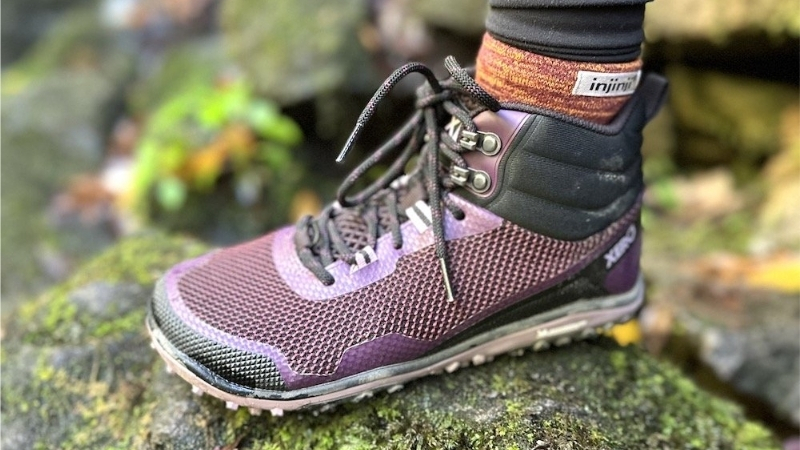
Stack height is the material between your foot and the ground, and it defines how minimalist a shoe really is. Standard boots run 30 to 40 millimeters, while true barefoot models sit at 4 to 10 millimeters. The lower the stack, the more ground you feel and the more foot strength you need.
Think of it as a spectrum, from cushioned zero-drop around 25 millimeters down to ultra-thin barefoot near 5 millimeters. Beginners should start higher for a forgiving entry, while experienced minimalists chase the thin, sensory feel. Match the stack to your adaptation level, not just the lowest number available.
Zero-Drop and Toe-Box Shape
Minimalist footwear is defined by a zero-drop sole, meaning the heel and forefoot sit at the same height, encouraging a natural, level foot position rather than the raised heel of conventional boots. This is the core of the barefoot philosophy and the biggest change your body adapts to.
A wide, foot-shaped toe box is the other half, letting toes splay naturally for balance and comfort, which hikers with wide feet especially appreciate. Note that lasts differ: some widen evenly, while brands like Vivobarefoot narrow at the heel and fan dramatically at the toes, suiting some feet and not others.
The Transition Period
Switching to minimalist boots is not instant, because your feet and calves have adapted to cushioned, raised-heel shoes for years. Moving too fast invites soreness or injury, so ease in over several weeks, starting with short walks before committing to long or loaded hikes on a thin sole.
A sensible plan starts higher on the stack-height spectrum and works down gradually over months. Beginners do well in a cushioned zero-drop shoe first, then progress toward true barefoot models as their foot strength builds. Patience here is what makes the switch comfortable rather than painful.
Protection, Grip, and Waterproofing
The thin sole that gives ground feel also limits protection, so consider your terrain. Ultra-minimal shoes read every rock, which is rewarding on smooth trails but punishing on sharp scree or under a heavy pack. Some models add a modest rock plate or slightly thicker sole for a middle ground.
Grip and weather protection round it out. A quality flexible outsole grips varied trail surfaces, while leather barefoot boots can add waterproofing for cooler, wetter hikes. Timing helps too, since tariff pressure has pushed footwear costs up, so buying ahead of peak hiking season protects both price and size availability.
Top Picks for the Best Minimalist Hiking Boots
Our picks for the best minimalist hiking boots span the spectrum, from a cushioned zero-drop entry point to true ultra-thin barefoot boots, plus budget and trail-specific options. Stack heights below are approximate, and each pick names a real trade-off so you can match it to your experience and terrain.
| Model | Stack (approx.) | Type | Waterproof | Best For |
|---|---|---|---|---|
| Vivobarefoot Tracker | ~5-6 mm | Barefoot boot | FG version yes | True barefoot boot |
| Xero Ridgeway / Scrambler Mid | ~10-14 mm | Barefoot mid | WP version yes | Rugged value |
| Altra Lone Peak 9 | ~25 mm | Cushioned zero-drop | Mid GTX option | Beginner transition |
| Lems Boulder Boot | ~9-10 mm | Casual barefoot boot | WP version yes | Travel + everyday |
| Merrell Trail Glove 7 | ~14 mm | Barefoot shoe | No | Trail-running feel |
| Whitin Minimalist | ~10 mm | Budget barefoot | Some models | Budget entry |
Vivobarefoot Tracker
Vivobarefoot is the most committed barefoot brand, and the Tracker line is its hiking boot flagship, with an ultra-thin zero-drop sole, a fan-shaped last, and rugged leather. Options include the fully waterproof FG, the more flexible water-resistant Forest ESC, and the breathable Decon, so you can pick your balance of protection and feel.
The fan last narrows at the heel and widens sharply at the toes, which suits some feet perfectly and others not at all, and the thin sole plus premium price demand real foot adaptation. For experienced minimalists who want a true barefoot hiking boot with weather protection, though, it is the benchmark.
Xero Ridgeway / Scrambler Mid
Xero delivers rugged barefoot performance at a friendlier price, with the waterproof Ridgeway and the Scrambler Mid offering a wide toe box, a zero-drop platform, and grippy soles in a genuinely trail-capable mid boot. They handle real hiking while keeping the flexible, ground-connected feel minimalists want.
The thin cushioning means limited protection under heavy packs or on sharp rock, and the pronounced ground feel divides opinion. For hikers who want a durable, affordable barefoot boot that can actually take on trails rather than just city walking, though, Xero is one of the best values here.
Altra Lone Peak 9
The Lone Peak is the ideal beginner bridge, pairing a level zero-drop platform with a forgiving 25-millimeter stack and Altra’s roomy FootShape toe box. That meaningful cushion lets newcomers enjoy natural foot positioning and toe splay without the harsh ground feel of a true barefoot sole, easing the transition.
Purists will note it is not truly minimalist given the stack height, ankle support is modest, and the Altra fit is not universal. But as the smartest entry point into zero-drop hiking, and a Mid GTX version adds ankle coverage and waterproofing, it is the boot most beginners should start with.
Lems Boulder Boot
The Boulder Boot is the versatile, casual barefoot boot, prized for its zero-drop platform, roomy toe box, and remarkably flexible, packable, lightweight build that rolls up small for travel. It transitions easily from trail to town, making it a favorite for hikers who want one minimalist boot for everyday and light adventures.
Its casual design and flexible sole are less suited to rugged, technical terrain or heavy loads, and grip is adequate rather than aggressive, though a waterproof version helps in wet conditions. For travel, everyday wear, and easy trails in a genuinely minimalist boot, though, it is hard to beat.
Merrell Trail Glove 7
The Trail Glove 7 brings minimalist design to a trail-running shoe, with a wider midfoot, a reduced arch that no longer digs in, and a roughly 14-millimeter stack that adds just enough cushion for longer days while still letting you read the trail. Its Barefoot 2 construction gives toes real room to spread.
It is a low shoe rather than a boot, so ankle coverage and debris protection are minimal, and the eco-friendly recycled rubber can wear faster over serious mileage. For minimalist hikers and runners who want ground feel with a touch of protection on mixed terrain, though, it is a strong trail-focused pick.
Whitin Minimalist
The Whitin is the budget entry into barefoot footwear, offering a wide toe box, a flexible zero-drop sole, and a versatile, low-key style that is comfortable right out of the box. It lets curious hikers try the minimalist feel without a significant investment, which is exactly why it is so popular.
As a budget option it is less durable and refined than premium brands, and it is a low shoe rather than a true hiking boot, so it suits lighter trails. For anyone wanting an affordable, comfortable first taste of barefoot hiking, though, it delivers real value.
Frequently Asked Questions
Quick answers to the best minimalist hiking boots questions barefoot-curious hikers ask, from transition timing to protection and picking a beginner-friendly stack height.
Are minimalist hiking boots good for beginners?
They can be, if you start sensibly. The best minimalist hiking boots for beginners begin with a cushioned zero-drop shoe around 20 to 25 millimeters, like the Altra Lone Peak, rather than an ultra-thin barefoot model, then work down gradually. Rushing into a 5-millimeter sole before your feet adapt invites soreness or injury.
How long does the transition to barefoot boots take?
Plan on several weeks to a few months. Your feet and calves need time to strengthen after years in cushioned, raised-heel shoes, so start with short walks and easy trails before long or loaded hikes. Progressing patiently is what makes the switch comfortable rather than painful.
Do minimalist boots protect against rocks and roots?
Less than cushioned boots, by design. The thin sole that delivers ground feel also transmits sharp rocks, so ultra-minimal models feel punishing on scree or under heavy packs. If you hike rough terrain, choose a slightly thicker minimalist model with a rock plate, or save the thinnest shoes for smoother trails.
Will hiking footwear cost more this year?
Possibly. Tariff pressure has pushed footwear costs up, and brands describe future pricing as an estimate. Buying minimalist boots ahead of peak hiking season protects both size availability and budget, and watching seasonal sales can help you lock in value before further increases arrive.
See More:
- Best hiking boots for wide feet women
- Best summer hiking boots
- Best hiking boots flat feet
- Best affordable hiking boots
- Best minimal hiking boots
Final Thoughts
The best minimalist hiking boots are the ones whose stack height, toe-box shape, and protection match your experience and terrain, not simply the thinnest sole on the shelf. Start higher on the spectrum, transition patiently over weeks, choose your protection for the trail, and buy ahead of seasonal price pressure.

Write Your Review
No reviews yet. Be the first to share your experience!