
Key takeaways
What's inside
Best magnification for binoculars is not a single number; it depends on what you watch and how steady your hands are. Lower power gives a wider, steadier view, while higher power pulls distant subjects closer at the cost of brightness and stability. This guide explains the trade-offs and pairs each power with a proven pick.
As an Amazon Associate we earn from qualifying purchases at no extra cost to you.


As an Amazon Associate we earn from qualifying purchases at no extra cost to you.
🛒 Best Price Today on Amazon
Prime members get fast, free shipping on everything above, plus member-only deals. New members get a 30-day free trial — cancel anytime.
Start 30-Day Prime Free Trial →See Today’s Amazon DealsHow to Choose the Right Magnification
Deciding the best magnification for binoculars means weighing reach against a wider, steadier, brighter image. The first number on a binocular, like the 10 in 10×42, is how many times closer a subject appears. More is not always better, so match the power to your use.
What the Numbers Mean
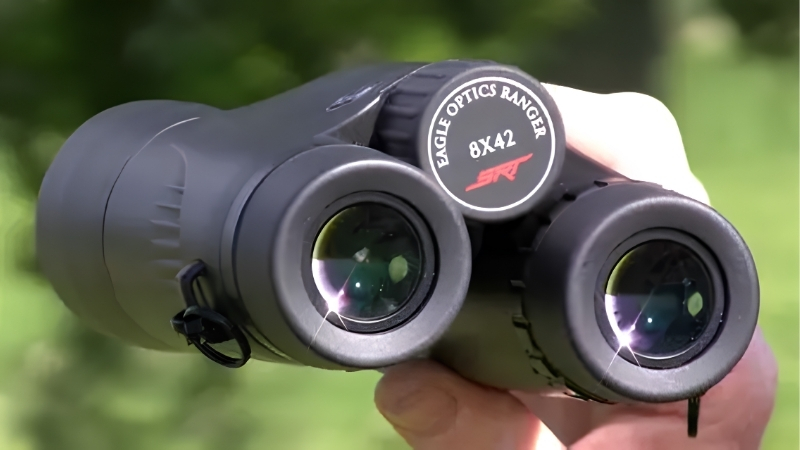
A spec like 10×42 means 10x magnification and a 42mm objective lens. The objective gathers light, so larger numbers brighten the image, especially at dawn and dusk. Dividing objective by magnification gives the exit pupil, and around 4mm or more keeps the view bright in low light.
Higher magnification also narrows the field of view and magnifies every tremor in your hands. That is why an 8x pair looks wider and steadier than a 12x, even though the 12x reaches farther. Understanding this balance is the key to picking the best magnification for binoculars.
Matching Power to Your Activity
For birding, forests, and sports, 8x offers a wide, steady, easy-to-follow view. The versatile 10x is the all-around standard for hunting and general use, adding reach while staying handholdable. For open country and long distance, 12x and up pulls subjects closer but rewards a steady rest.
Think about your typical distances and light. Dense woods and moving subjects favor lower power and a wide view, while wide-open terrain and distant targets justify more magnification. The best magnification for binoculars is simply the one that fits where you spend your time.
Stability, Brightness, and Comfort
Above roughly 10x to 12x, hand shake becomes noticeable, so higher-power pairs benefit from a tripod or a solid rest. A larger objective offsets the brightness lost to magnification, which is why long-range binoculars pair high power with big 50mm to 70mm lenses.
Comfort features round out the decision. Generous eye relief helps eyeglass wearers, a smooth focus wheel eases fine adjustments, and a waterproof body handles weather. These details matter more than chasing the highest number, since a comfortable pair is one you will actually use.
Value, Tariffs, and Timing
Binoculars span from budget compacts to premium alpha glass across every magnification, and outside costs are climbing. Industry surveys report tariff-driven increases near 7 to 8 percent across outdoor gear, and optics that rely on imported glass and components feel that pressure too.
Since quality binoculars last for decades, buying a proven pair when it fits your budget hedges against future increases. Optics also go on sale in the holiday season, so watch for discounts and choose the best magnification for binoculars once a strong model in your preferred power drops.
Top Picks by Magnification
These six pairs span 8x compacts to 15x astronomy giants, all proven performers. The table offers a quick comparison before we detail who each power suits, so you can settle on the best magnification for binoculars for your needs.
| Model | Magnification | Strengths | Best For |
|---|---|---|---|
| Vortex Diamondback HD 8×42 | 8x | Wide view, very steady | Birding & forests |
| Vortex Diamondback HD 10×42 | 10x | All-around balance | General & hunting |
| Nikon Trailblazer 8×25 | 8x compact | Pocketable, lightweight | Travel & packing |
| Nikon Action EX 12×50 | 12x | Reach, bright, rugged | Open country |
| Celestron Nature DX ED 12×50 | 12x | ED glass, sharp detail | Long-range clarity |
| Celestron SkyMaster 15×70 | 15x | Big light gathering | Astronomy on a tripod |
Vortex Diamondback HD 8×42 (8x)
At 8x, the Diamondback HD delivers the widest, steadiest view here, which makes it ideal for birding, forests, and fast-moving sports. The generous field of view helps you find and track subjects, and the lower power hides hand shake for a relaxed, comfortable image.
It reaches less far than 10x or 12x models, so it is not the choice for glassing distant ridgelines. But for close-to-mid range, backed by HD glass and Vortex’s transferable VIP warranty, it is an easy, forgiving pick to live behind.
Vortex Diamondback HD 10×42 (10x)
The 10×42 is the all-around gold standard, and for good reason. It adds meaningful reach over an 8x while staying handholdable, and its roughly 21-ounce, waterproof, argon-purged body with HD glass suits hunting, wildlife, and general use across most conditions.
Ten-power shows a bit more shake than 8x and a slightly narrower view, so a rest helps at distance. For one do-it-all magnification that covers the widest range of situations, though, 10×42 is the safest recommendation for most buyers.
Nikon Trailblazer 8×25 (8x compact)
The Trailblazer 8×25 shows that 8x also shines in a pocket-sized body. It folds down small and light for travel, day hikes, and events, slipping into a jacket pocket so you always have optics on hand without carrying a full-size pair.
The small 25mm objectives gather less light, so images dim in low light compared with 42mm models. As a grab-and-go compact for bright conditions, however, it is a superb value that earns its place in any travel kit.
Nikon Action EX 12×50 (12x)
Stepping up to 12x, the Action EX 12×50 pulls distant subjects noticeably closer while its 50mm objectives keep the view bright. The rugged, waterproof body handles weather, making it a strong choice for open country, wildlife, and marine use.
Twelve-power amplifies hand shake, so a rest or tripod sharpens the experience, and the tool is heavier than mid-size pairs. For observers who need real reach in a durable package at a fair price, it delivers dependable long-range performance.
Celestron Nature DX ED 12×50 (12x)
The Nature DX ED 12×50 pairs 12x reach with ED glass that trims the color fringing high power tends to expose. The payoff is crisper, cleaner detail at distance than budget 12x binoculars usually manage, without stepping into premium pricing.
Its field of view is a little tight, as expected at this power, and it is not alpha-tier glass. For anyone wanting sharper long-range clarity at a mid-range price, though, it is a smart, satisfying upgrade over entry-level optics.
Celestron SkyMaster 15×70 (15x)
At 15x with huge 70mm objectives, the SkyMaster is built for maximum reach and light gathering, especially for astronomy. BaK-4 prisms and multi-coated optics reveal lunar detail and deep-sky objects, and the included tripod adapter makes mounting simple.
At about 3 pounds it is too much for extended handheld use, so a tripod is essentially required. For stargazing and very long-range terrestrial viewing on a mount, it delivers a genuinely impressive view at a friendly price.
Frequently Asked Questions
Buyers comparing powers tend to ask the same questions. Here is what to know before settling on the best magnification for binoculars for your activities.
Is 8x or 10x better?
Neither is universally better. 8x gives a wider, steadier, brighter view that suits birding and forests, while 10x adds reach for hunting and open ground. If you often follow moving subjects or dislike shake, choose 8x; if you glass longer distances, choose 10x.
What magnification is best for general use?
For a single do-it-all pair, 10×42 is the most versatile choice. It balances reach, brightness, and steadiness, handling wildlife, hunting, hiking, and events well. Only step up to 12x or higher if your main use is genuinely long distance and you can steady the view.
Why do high-power binoculars look shaky?
Magnification enlarges the image and every small hand movement equally, so tremors that are invisible at 8x become obvious at 12x or 15x. Bracing against a solid object or using a tripod removes that shake and lets the optics resolve the fine detail they are capable of.
Does more magnification mean a better view?
Not always. Higher power narrows your field of view, dims the image, and magnifies shake. Beyond a point it makes binoculars harder to use handheld. The right amount of magnification for your activity almost always beats simply choosing the biggest number on the box.
See More:
- Best bike hydration pack
- Best bicycle hydration pack
- Best rain jacket for warm weather
- Best hot weather rain jacket
- Best camping multi tool
Final Thoughts
The best magnification for binoculars comes down to your activity, your typical distances, and how steadily you can hold the view. Choose 8x for wide, steady birding and forest use, the versatile 10x for all-around hunting and general viewing, and 12x or 15x when long-range reach on a rest or tripod is the priority. With optics prices under upward pressure from tariffs, buying a proven pair now can hedge against future increases, and quality binoculars last for decades. Match the power to where you spend your time, prioritize good glass and comfort, and the view will reward you on every outing.





Write Your Review
No reviews yet. Be the first to share your experience!