Key takeaways
- Best Overall: Darn Tough Men’s Hiker Midweight Micro Crew Sock. Merino wool, targeted cushion, anti-blister design.
- Best Trekking Poles: Trekology Trek-Z Cork Grip Collapsible Poles. Folding aluminum poles with cork grips.
- Best Convertible Pants for Men: Columbia Silver Ridge Convertible Pant. Ripstop, zip-off, quick drying.
- Best Convertible Pants for Women: Little Donkey Andy Women’s Convertible Zip Off Pants. Seven pockets, stretch and UPF 50+ per the listing.
- Best Budget Trail Pants: Free Soldier Men’s Ripstop Hiking Pants. Multi-pocket, water resistant, lightweight.
- Best Light: Black Diamond Cosmo 350 Headlamp. 350 lumens with red night vision.
- Best Daypack: Osprey Sportlite 15L Lightweight Hiking Backpack. Small and light for short trips.
- Best Water Option: LifeStraw Go Series 1L Filter Bottle. Filtered water without a separate pump.
The best hiking gear for a day on the trail is not a long list: a pair of trekking poles, trail pants that dry fast, wool socks that resist blisters, a light pack, a headlamp, and a way to treat water. Our top pick is the Darn Tough Hiker Midweight Micro Crew sock because foot comfort decides whether you finish a hike happily, and the runner-up is the Trekology Trek-Z trekking pole set for its cork grips and folding design that fits any pack. This guide organizes eight picks (we did not personally use them) around what each piece does on a typical 5 to 12 mile outing, and it covers trekking poles, hiking pants and convertible hiking pants in particular.
Everything below is research-based, drawn from listing details, maker descriptions and general hiking practice. Where the listing does not give a measurement we say “not listed”, so please check the maker’s size chart or spec page before you order, especially for clothing.
Top Picks at a Glance
- Best Overall: Darn Tough Men’s Hiker Midweight Micro Crew Sock. Merino wool, targeted cushion, anti-blister design.
- Best Trekking Poles: Trekology Trek-Z Cork Grip Collapsible Poles. Folding aluminum poles with cork grips.
- Best Convertible Pants for Men: Columbia Silver Ridge Convertible Pant. Ripstop, zip-off, quick drying.
- Best Convertible Pants for Women: Little Donkey Andy Women’s Convertible Zip Off Pants. Seven pockets, stretch and UPF 50+ per the listing.
- Best Budget Trail Pants: Free Soldier Men’s Ripstop Hiking Pants. Multi-pocket, water resistant, lightweight.
- Best Light: Black Diamond Cosmo 350 Headlamp. 350 lumens with red night vision.
- Best Daypack: Osprey Sportlite 15L Lightweight Hiking Backpack. Small and light for short trips.
- Best Water Option: LifeStraw Go Series 1L Filter Bottle. Filtered water without a separate pump.
Comparison Table
| Product | Best for | Key specs | Watch for | Price tier |
|---|---|---|---|---|
| Darn Tough Hiker Midweight Micro Crew | Blister-prone feet | Merino wool, targeted cushion, arch support, made in USA | Fit is by shoe size; check the maker’s chart | Mid-range |
| Trekology Trek-Z Poles | Knee relief on descents | Aluminum, cork grips, foldable, adjustable | Weight and max length not listed | Budget |
| Columbia Silver Ridge Convertible | Changing temperatures | Ripstop, zip-off legs, quick drying, extended sizes available | Zippers can rub if worn at the knee | Mid-range |
| Little Donkey Andy Women’s Convertible | Sun and bugs | 7 pockets, stretch, quick dry, water resistant, UPF 50+ per listing | Sizing runs by maker chart | Budget |
| Free Soldier Ripstop Hiking Pants | Rugged, pocket-heavy use | Ripstop, water resistant, lightweight, multi-pocket | Tactical styling; sold by waist and length | Budget |
| Black Diamond Cosmo 350 | Camp and early starts | 350 lumens, red night vision, AAA powered, dimmable | Uses disposable or compatible battery | Budget |
| Osprey Sportlite 15L | Short day hikes | 15 liter daypack, one size | Back panel details not listed | Mid-range |
| LifeStraw Go 1L | Streams and long days | 1 liter bottle, BPA-free, filter for bacteria, parasites and microplastics per listing | Filter does not treat every contaminant; see maker notes | Mid-range |
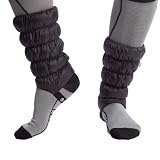
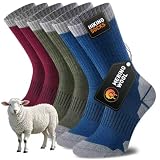
1. Darn Tough Hiker Midweight Micro Crew Sock: Best Overall
- Material: merino wool blend, listed as breathable and moisture wicking
- Targeted cushion with arch support
- Marketed as anti-blister and odor resistant
- Made in USA per the listing
- Price tier: Mid-range
Best for: hikers who have fought hot spots and wet feet. Skip if: you only walk short paved loops and do not need merino.
A hiking sock does more than cushion your foot. Merino wool pulls moisture away from skin and keeps insulating when damp, and a snug, seamless fit reduces rubbing, which is what creates blisters. Midweight is a flexible thickness for three-season trails: not as bulky as a heavy winter sock, but with enough cushion at the heel and ball to take the sting out of long descents. The cushioning here is targeted rather than all over, which keeps the sock breathable.
Fit is where socks win or lose. Pick a size that matches your shoe size and avoid wrinkles at the toe or heel when you put it on. If you are between sizes, the maker’s chart is the place to settle it. Many hikers carry a spare pair and swap at the lunch stop, which resets moisture and dramatically improves comfort for the second half of a hike.
The big caveat is care: wash inside out, avoid high heat and skip fabric softener, which can coat wool fibers and reduce wicking. With that routine a good merino sock lasts many seasons, which is part of why premium socks are popular despite the up-front cost.
Pros: merino comfort; targeted cushion; arch support; odor resistant. Cons: costs more than cotton blends; thickness may be warm in midsummer.
2. Trekology Trek-Z Cork Grip Trekking Poles: Best Trekking Poles
- Material: aluminum shafts, adjustable and foldable
- Cork grips for sweaty hands
- Marketed for men, women and seniors, travel and balance
- Weight and maximum length: not listed
- Price tier: Budget
Best for: hikers who want a pack-friendly folding pole at an entry level. Skip if: you want a feather-light carbon pole for fast-and-light trips.
Trekking poles take load off knees on descents and add stability on stream crossings, loose gravel and roots. Many trail guides suggest setting pole length so your elbow bends near 90 degrees when the tip is on the ground, and shortening them for climbs and lengthening on descents. The Z-fold design here breaks the poles into sections that stow in a pack, which is helpful when you reach a stretch of trail that needs hands free.
Cork is a popular grip material because it molds to the hand slowly and stays comfortable when damp, compared with foam that can feel slick. Aluminum shafts are heavier than carbon but tough in rock gardens, where carbon can splinter when stressed sideways. Because the listing does not state the weight, add a quick note to yourself to check the maker’s page if you count grams.
Use wrist straps correctly: put your hand up through the strap from below and grip over the top so your wrist carries some load rather than gripping hard all day. On steep descents, short tips and clean rubber tip protectors prevent slipping on rock.
Pros: cork grips; folds small; adjustable; budget-friendly. Cons: heavier than carbon; weight not listed.
3. Columbia Silver Ridge Convertible Pant: Best Convertible Pants for Men
- Fabric: ripstop, listed as quick drying
- Easy zip-off legs convert to shorts
- Extended fit available per listing
- Price tier: Mid-range
Best for: mountain day hikes with morning chill and afternoon heat. Skip if: you dislike zipper seams or hike mostly in cold weather.
Convertible hiking pants solve a very specific problem: the cool morning at the trailhead and the sweaty climb two hours later. Zip off the legs and you have shorts without carrying a second garment. The Silver Ridge line is a well-known staple of this category, and the listing highlights a ripstop weave that resists snags from branches and a quick-drying finish. Check the rise and inseam on the maker’s chart, since the sizes are sold by waist and length.
The trade-off with any convertible pant is the zipper seam. Some wearers feel it at the knee or notice a slight swish. If that bothers you, a non-convertible nylon pant with roll-up tabs is the alternative. Also remember that zip-off shorts expose your legs to ticks and brush; keep the long legs on in tall grass.
Pros: versatile; ripstop fabric; quick drying; sizing options. Cons: zippers add weight and seams; not as warm as a lined pant.
4. Little Donkey Andy Women’s Convertible Zip Off Pants: Best Convertible Pants for Women
- Seven pockets
- Quick-dry, water-resistant stretch fabric, per listing
- 3-in-1 zip-off legs
- Sun protection listed as UPF 50+
- Price tier: Budget
Best for: women who want stretch, pockets and sun coverage at a modest cost. Skip if: you prefer a branded technical fabric with published fabric weight.
These pants are aimed at hiking and safari-style outings, and the stretch makes high steps and scrambling more comfortable. A UPF 50+ rating on the listing means the fabric is rated to block most ultraviolet radiation, though the rating holds only as long as the fabric stays in good condition, so wash and care instructions matter. Seven pockets give space for a phone, map, snacks and a lip balm without wearing a pack on short outings.
Because sizing varies between makers, check the size chart for waist, hip and inseam, and compare it with a pair you already own. Do not rely on the letter size alone. As with other convertibles, test the leg zippers before the trip so you know they zip smoothly over your boots.
Pros: many pockets; stretch; UPF 50+ per listing; budget-friendly. Cons: fabric weight not listed; sizing needs checking.
5. Free Soldier Men’s Ripstop Hiking Pants: Best Budget Trail Pants
- Fabric: ripstop, listed as water resistant and lightweight
- Multi-pocket cargo design
- Marketed for hunting, climbing and work
- Sold by waist and length
- Price tier: Budget
Best for: rugged use and scrambling where you carry small tools or a map. Skip if: you want a slim, athletic trail fit.
These are tactical-style hiking pants, so expect more pockets and a cargo look than a minimalist trail pant. The ripstop weave makes them hard to snag, and water resistance helps shed morning dew and light drizzle. They are not a replacement for rain pants in a downpour. The ergonomic design mentioned in the listing usually refers to articulated knees, which helps when stepping up on rocks, though the specific cut is not detailed.
The best use is as a durable second pair, kept for brushy trails where thorns and branches would shred lighter fabrics. For warm days, look at the thigh vents on other brands or choose the convertible styles above.
Pros: durable ripstop; many pockets; budget cost. Cons: tactical styling; limited warm-weather ventilation.
6. Black Diamond Cosmo 350 Headlamp: Best Light
- Output: 350 lumens, dimmable
- Red night vision mode
- Powered by AAA batteries; compatible with the BD 1500 rechargeable battery per listing
- Price tier: Budget
Best for: early starts, late finishes and emergency backup. Skip if: you want a built-in USB rechargeable battery.
Even on a day hike, a headlamp is the item most likely to save you from a bad evening if you run late. Lumens describe how bright a light is, but beam shape and battery life matter as much. 350 lumens is ample for trail walking, and the dimmable control lets you save battery at camp. The red mode keeps your night vision and is gentler on others at a shared site.
The dual-fuel idea means you can run it on common AAA batteries and swap in a rechargeable pack later. Pack spare batteries and check them at the start of the season. A headlamp should live in the top lid pocket so you can find it without unpacking.
Pros: bright enough; red mode; flexible battery options. Cons: burn time not listed; no built-in USB.
7. Osprey Sportlite 15L Lightweight Hiking Backpack: Best Daypack
- Capacity: 15 liters
- Sized as one size
- Marketed as a daypack and travel daypack
- Back panel, hip belt and pocket layout: not listed
- Price tier: Mid-range
Best for: short and medium hikes where you carry a layer, snacks and water. Skip if: you need to carry bulky gear or a hydration reservoir with certainty.
Fifteen liters forces you to pack lean, which is a feature on a day hike: a rain shell, a warm layer, lunch, a first aid pouch and a water bottle fit without excess. Osprey is a respected brand in this space, but the listing here does not detail the harness or ventilation, so check the maker’s page for carry features. For longer hikes move up to a larger pack.
Load the pack by putting heavy items close to your back and mid-height, which keeps weight over your hips. Cinch the sternum strap, and adjust the shoulder straps so the pack sits snug but not tight.
Pros: light; brand reputation; easy to carry. Cons: small; features not listed.
8. LifeStraw Go Series 1L Filter Bottle: Best Water Option
- Capacity: 1 liter
- BPA-free bottle with a filter
- Listing states it removes bacteria, parasites and microplastics
- Price tier: Mid-range
Best for: hikers who cross streams or carry limited water. Skip if: you hike in areas with chemical contamination or need virus removal.
Carrying all your water is heavy: a liter weighs about 2.2 pounds. A filter bottle lets you start with less and refill from a stream. Per the listing, this filter targets bacteria, parasites and microplastics, which is the common backcountry concern. It does not claim to remove viruses or chemicals, so follow the maker’s instructions and local advice, and know which sources are likely safe. In many places, water from a trailhead tap is simpler.
Rinse the filter and store it as directed, and protect it from freezing, which can damage the fibers. Replace it according to the maker’s guidance.
Pros: filter built in; simple to use; refill anywhere. Cons: slower drinking flow; limits as above.
Also Consider
Cascade Mountain Tech Trekking Poles
An aluminum pair listed as expanding to 54 inches with a cork grip and EVA extension, sold as a set of 2. It is an easy value alternative to the Trekology.
Katadyn BeFree 1L Collapsible Filter Bottle
A collapsible bottle with a carbon filter, handy when you want to roll it up when empty. It reduces sediment and microplastics and improves taste per the listing.
Nitecore NU20 Headlamp
A USB-C rechargeable headlamp at 360 lumens with white and red lights. A good alternative if you prefer built-in recharging over AAA cells.
How We Chose
This guide is research-based. We did not personally use these products. We compared listing details, manufacturer descriptions and general hiking guidance from organizations such as national park services and long-running outdoor publications. We chose pieces that cover the core needs of a day hike: traction, clothing, feet, light, carry and water. We kept to two items per brand, covered a range of budgets, and marked any spec not published as “not listed”. If a product category was unclear we left it out rather than guess.
Buying Guide
Trekking poles: length, grip and weight
For poles, set length so your elbow bends near 90 degrees on flat ground. Shorten two to three centimeters for steep climbs. Cork and foam grips are both common, with cork favoring sweaty hands. Aluminum costs less and bends rather than snapping; carbon is lighter. If you hike more than twice a month, the weight over a long day is noticeable.
Hiking pants: fabric, fit and features
Choose a stretch nylon blend with ripstop for durability. Convertible hiking pants save weight if you hike in changing conditions, but they add seams. Look for a gusseted crotch or articulated knees, zip pockets that hold a phone, and a hem that fits over your boots. Check the waist, hip and inseam numbers rather than a size letter.
Socks: wool beats cotton
Cotton holds moisture and rubs. Merino or synthetic blends dry faster. Cushion zones at heel and ball reduce impact, and a seamless toe reduces friction. Always try new socks on a short walk before a long hike.
Packs and lights
A 15 to 25 liter pack suits most day hikes. Carry the ten essentials: navigation, light, sun protection, first aid, knife, fire, shelter, extra food, extra water and extra clothes. A headlamp covers the light need and should have fresh batteries.
Water plans
Plan roughly half a liter per hour of moderate hiking, more in heat. A filter helps on trails with streams, but always check land-manager advice on water sources.
Matching Gear to Your Hike
The same kit does not suit every trail, so use this quick matrix to decide which pieces to prioritize.
| Your hike | Prioritize | Why |
|---|---|---|
| Short 3 to 5 mile loop | Socks, 15L pack, water | Low risk, so comfort and hydration matter most |
| Hilly 8 to 12 mile day | Trekking poles, convertible pants, filter bottle | Long descents load the knees and temperatures change |
| Brushy or rocky trail | Ripstop pants, poles | Fabric snags and uneven footing |
| Late start or short winter day | Headlamp with spare batteries | Dusk arrives sooner than expected |
| Hot, exposed trail | UPF-rated pants, extra water | Sun and sweat raise water needs |
A simple worked example: on a 10 mile hike at about 2 miles per hour you spend roughly five hours moving. At half a liter per hour you need around 2.5 liters. A 1 liter filter bottle plus a refill at a stream covers that comfortably, while carrying all 2.5 liters would add about 5.5 pounds to the pack. That single calculation is why many hikers add a filter before they add any other piece of gear.
Pole use shows a similar pattern. On a trail with 2,000 feet of climbing and descent, your legs take thousands of steps downhill, and poles let your arms share part of that load. They are not essential on flat paths, which is why they sit second in this guide behind socks, which matter on every outing.
Finally, think about layers as a system. A base layer moves sweat away, a mid layer such as a fleece traps heat, and a shell blocks wind and rain. Convertible pants fit into this system by shifting between shorts and long legs, so you rarely need an extra bottom layer on a temperate day. Check the forecast the night before, and pack the shell even when the sky looks clear.
Common Mistakes
- Wearing new boots or socks for the first time on a long hike.
- Wearing cotton in cold or wet weather.
- Skipping a headlamp on afternoon hikes.
- Setting trekking pole length too long on climbs.
- Trusting a filter to cover every contaminant.
Frequently Asked Questions
What is the best hiking gear for beginners?
Start with good socks, supportive footwear, a light pack, water and a headlamp. Add trekking poles and convertible pants once you know your trail style.
Are trekking poles worth it?
For many hikers yes, especially on descents. They share load with your arms and add stability. If you prefer free hands for scrambling, fold them into the pack.
Are convertible hiking pants a good idea?
They are useful for variable temperatures and save packing space. The downside is zipper seams, so try them on before a long trip.
What are the best hiking pants for summer?
Look for lightweight, quick-drying and ventilated fabrics with UPF protection. Convertible styles let you adapt through the day.
How do I avoid blisters?
Wear wool or synthetic socks that fit properly, keep feet dry, and treat hot spots early. Break in footwear before a long outing.
Can a water filter bottle replace purification tablets?
Not always. Read the maker’s notes about what your filter removes and whether viruses or chemicals are a concern where you hike.
How big a pack do I need for a day hike?
Between 15 and 25 liters covers most day hikes. Go larger if you carry extra layers or hiking with children.
Which One Should You Buy?
Buy socks first, poles second and pants third. A comfortable foot, stable knees and clothing that adapts to the weather matter more than any gadget. Add the headlamp and pack if you do not already own them, and carry a filter bottle on trails with reliable water. Always check each maker’s size or spec page before ordering.
Sources
- Manufacturer product pages for Darn Tough, Trekology, Columbia, Little Donkey Andy, Free Soldier, Black Diamond, Osprey and LifeStraw
- National park and land-manager hiking safety guidance
- The ten essentials list from outdoor safety organizations
- General trekking pole and layering guidance from outdoor publications
Last updated: October 2026