Key takeaways
- Table of Contents 7 sections 9 min read 1 Quick Verdict 2 Side by Side 3 Where Usb C Wins 4 Where Micro Usb Headlamp Wins 5 Cost Over 5 Years 6 Which One for Your Home 6.1 Small apartment…
What's inside
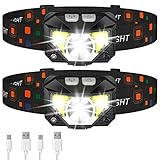
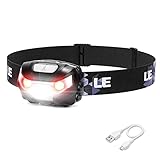
Choosing between a USB-C and micro-USB headlamp is less about brightness than it is about the charging system already working in your home. Both types can provide hands-free light for power outages, attic work, repairs, camping, walking the dog, and late-night trips to the basement. The real decision is whether you want a newer, more versatile charging connection or a lower-cost lamp that may match equipment you already own.
For most households buying new in 2026, USB-C is the better long-term choice. It is easier to plug in, increasingly common on phones and household electronics, and more convenient when one cable needs to serve several devices. Micro USB still makes sense when the headlamp is substantially cheaper, when you already have compatible cables, or when you are replacing a familiar rechargeable battery such as the Petzl CORE Micro-USB battery.
As an Amazon Associate we earn from qualifying purchases at no extra cost to you. Product prices and availability are accurate as of the date shown and are subject to change.


Quick Verdict
Choose a USB-C headlamp if you want the simplest everyday setup, plan to keep the lamp for several years, or need to share charging cables among phones, tablets, power banks, and other gear. USB-C does not automatically make a headlamp brighter or more durable, but it is generally the more convenient connector.
Choose a micro-USB headlamp if price is your main concern, you already have a drawer full of micro-USB cables, or you are buying a proven model with a replaceable battery. A micro-USB lamp can still be an excellent home tool. Its main disadvantage is that the connector is becoming less common, not that the charging technology is unusable.
Side by Side
| Factor | USB-C Headlamp | Micro-USB Headlamp |
|---|---|---|
| Comfort | Usually similar; lamp weight and strap design matter more than the port | Usually similar; common headlamp weights range from about 2.5 to 5 ounces |
| Durability | Typically a sturdier, reversible connector; protection from dust and water still varies by model | Can last for years, but the small plug tongue and cable fit require more careful alignment |
| Price range | About $25-$120 for rechargeable household and outdoor models | About $15-$100, with replacement batteries often costing $25-$40 |
| Maintenance | One current cable may charge several devices; clean the port occasionally | Easy if you already own cables, but older cables may need to be retained separately |
| Space needed | One cable can often replace several older cables; USB-C plugs are about 8.25 mm wide | Requires a micro-USB cable, which is about 6.85 mm wide and easy to misplace |
| Look | Usually associated with newer, cleaner-looking product designs | Often found on older or value-focused designs |
| Resale | Likely easier to explain and sell as buyers increasingly expect USB-C | May appeal to bargain buyers, but the older port can reduce interest |
| Charging flexibility | Works with many USB-C chargers and power banks; charging speed depends on the headlamp | Works with USB-A wall adapters and micro-USB chargers; USB-C-to-micro-USB cables may be needed |
| Best for | New purchases, shared household charging, and long-term convenience | Low-cost purchases, existing cable collections, and compatible replacement batteries |
Where Usb C Wins
The biggest USB-C advantage is convenience. The connector is reversible, so you do not have to check which side is up before inserting it into the headlamp. That small improvement matters when you are charging in a dark hallway, wearing gloves, or preparing equipment quickly before a storm.
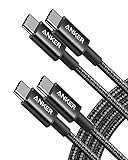
USB-C also fits more naturally into a modern charging station. A single USB-C cable can often serve a headlamp, phone, tablet, speaker, camera, and power bank. For example, a two-pack of Anker USB-C to USB-C 60W Fast Charging Cables with 6-foot leads is listed at $9.99, as is the comparable 100W two-pack. A headlamp generally does not need anywhere near 60W or 100W, but those cables can remain useful for other devices. The higher wattage rating does not force the headlamp to draw 100W; the device takes only the power its charging circuit is designed to accept.
Long cables are useful at home, too. A 6-foot lead lets you charge a headlamp on a counter or shelf without placing it directly beside the wall outlet. USB-C power banks are also increasingly easy to find, making it practical to recharge during an outage or while working away from an outlet.
USB-C can be a better choice for shared households because fewer people need to remember a special cable. It also tends to improve future compatibility. If you replace the headlamp battery or upgrade other electronics later, your USB-C charging supplies are more likely to remain useful.
There are limits. USB-C does not guarantee fast charging, high brightness, a waterproof housing, or a larger battery. Some inexpensive headlamps include a USB-C port but use a basic charging circuit. Check the lamp’s stated charge time, battery capacity, water-resistance rating, and charging indicator rather than treating the connector as a quality rating.
Where Micro Usb Headlamp Wins
Micro USB wins primarily on purchase price and compatibility with existing equipment. If a closet already contains spare micro-USB cables, a micro-USB headlamp may require no additional accessories. This can be especially sensible for an emergency lamp that is used only a few times each year.
There is also a wide selection of established micro-USB headlamps and replacement batteries. The Nitecore HC35, for example, is a rechargeable 2,700-lumen model supplied with a battery and an Eco-Sensa micro-USB charging cable; its listed price is $99.95. That product illustrates an important point: a micro-USB port does not necessarily indicate a basic or dim light.
Replaceable battery systems can extend the useful life of a micro-USB headlamp. The Petzl CORE rechargeable battery for compatible hybrid headlamps uses micro-USB charging and is listed at $37.99. Replacing a worn battery is less wasteful than discarding an otherwise functional headlamp, though compatibility must be confirmed before purchase.
The drawbacks are mostly practical. Micro-USB plugs are directional, and repeated force or sideways pressure can damage the port. The cable may also be less convenient to replace in the future as stores increasingly stock USB-C first. A USB-C-to-micro-USB cable can bridge that gap, but it adds one more cable to store and remember.
Cost Over 5 Years
The connector itself creates only a small part of the five-year cost. A basic rechargeable headlamp may cost about $20-$45, a better household or outdoor model about $50-$100, and specialized high-output options $100 or more. USB-C models often carry a modest premium, although pricing overlaps substantially with micro-USB models.
Assume a $45 USB-C headlamp and a $35 micro-USB headlamp. If you already have suitable cables, the five-year equipment cost is approximately $45 versus $35. If you need a dedicated replacement cable at around $8-$15, the micro-USB advantage narrows. A worn rechargeable battery may add roughly $25-$40 for either system, depending on whether the manufacturer offers a replaceable pack.
Electricity is usually negligible. A headlamp with a 2,000 mAh battery stores only a small amount of energy, so even repeated charging generally adds far less than a few dollars over five years. The more meaningful costs are lost cables, replacement batteries, and replacing a lamp whose charging port has failed. For that reason, USB-C often offers better value even when its initial price is $5-$15 higher.
Which One for Your Home
Small apartment
Choose USB-C if storage is limited and you want one charging setup for several devices. A compact headlamp weighing about 3-4 ounces can stay in a kitchen drawer, and a shared 6-foot cable can reach a nearby outlet. Micro USB is still a good budget option if the lamp will remain in an emergency kit with its cable attached.
Family with kids or pets
USB-C is usually the easier household choice. Children and guests are less likely to struggle with the reversible plug, and one cable can serve multiple family devices. Look for a comfortable adjustable strap, a low-brightness mode for close work, a lockout feature to prevent accidental activation, and a durable lens or housing. The connector matters less than keeping the lamp safely stored and charged.
Rental
Renters benefit from a USB-C headlamp paired with a power bank. It can provide light during an outage without relying on a particular wall location, and it is easy to take when moving. If you are minimizing spending before a move, a $15-$30 micro-USB model with an included cable can be perfectly practical.
Long-term home
For a home you expect to occupy for years, select USB-C unless a micro-USB model has a clearly better battery system, beam pattern, or warranty. Prioritize replaceable batteries, a stated water-resistance rating, multiple brightness levels, and a comfortable strap. Keep the lamp between roughly 40% and 80% charge when stored for long periods, and check it every few months.
FAQ
Is USB-C better than micro USB for a headlamp?
USB-C is generally better for convenience and future compatibility. It is reversible and more common on current electronics. Micro USB remains adequate and may cost less, especially when you already own compatible cables.
Does USB-C charge a headlamp faster?
Not automatically. Charging speed depends on the headlamp’s battery, charging circuit, and input specifications. A USB-C port can accept power conveniently without supporting high-wattage or rapid charging.
Can I use a USB-C charger with a micro-USB headlamp?
Yes, but you need a cable with a USB-C plug on the charger end and a micro-USB plug on the headlamp end, and the cable must be correctly designed for charging. Do not force a USB-C plug into a micro-USB port.
Should I buy a headlamp with a replaceable battery?
Usually, yes, if you expect frequent use or want to keep the lamp for many years. A replaceable battery can cost less than replacing the entire headlamp. Confirm the exact battery model and charging method before buying a spare.