Key takeaways
What's inside
River crossing tips can save your life, because moving water is one of the most underestimated dangers in the backcountry. This roundup pairs five field-tested pieces of gear with proven technique, from stabilizing poles to a dry bag, so you can ford streams safely, keep your gear dry, and recognize when a crossing is too dangerous.
As an Amazon Associate we earn from qualifying purchases.
By Jake Thompson
How to Use These River Crossing Tips
Safe fording is mostly technique, supported by a few key pieces of gear. The most important river crossing tips concern reading the water, using your body and gear correctly, and knowing when to turn back. Start by understanding three principles before you step into any stream.
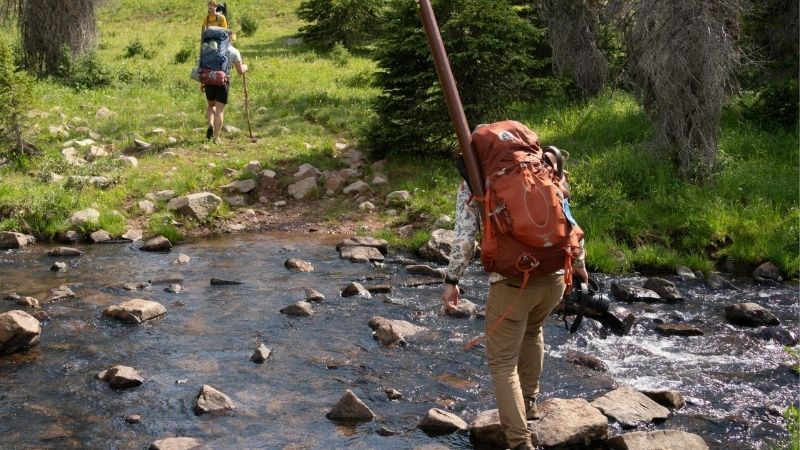
Scout and Prepare
Never cross at the first spot you reach. Scout up and down the bank for a wider, shallower, slower section, since a broad crossing is usually safer than a narrow, deep, fast one. Cross where the water is calmest, and avoid crossing just above hazards like rapids or logjams.
Prepare before you step in. Unbuckle your hip belt and sternum strap so you can shed your pack if you fall, seal electronics in a dry bag, and change into shorts to reduce drag. These river crossing tips take seconds and dramatically improve your odds if something goes wrong.
Cross with Good Technique
Technique keeps you upright. Face slightly upstream, lean into the current, and shuffle-step sideways at a downstream angle, keeping at least two points of contact with the streambed at all times using your feet and a trekking pole or sturdy stick.
Stay low and steady. Cross on shorter, submerged rocks rather than clambering over big ones, watch for hidden holes just downstream of boulders, and keep your eyes on the far shore to avoid dizziness. These river crossing tips turn a risky ford into a controlled, deliberate movement.
Know When to Turn Back
The most important skill is judging when not to cross. Water above your knees, a strong current, cloudy water that hides the bottom, or a swollen, flooded stream are all signs to find another route or wait. No destination is worth being swept away.
Timing helps too. Snowmelt-fed rivers run lower in the cool early morning and higher in the afternoon heat, so crossing early can make a huge difference. The best river crossing tips include the humility to turn around, since drowning is a leading cause of wilderness deaths.
Top Picks: Essential River Crossing Gear
With those principles in mind, these river crossing tips come with five field-tested pieces of gear that make fording safer. The table sums up the essentials, and the reviews below explain who each one suits and the trade-offs to weigh before you buy.
| Gear | Role | Why It Helps | Best For |
|---|---|---|---|
| Trekking Poles | Stability | Third point of contact | Balance and probing |
| Water Shoes | Footwear | Traction and protection | Slippery beds |
| Dry Bag / Pack Liner | Waterproofing | Keeps gear dry, adds float | Protecting gear |
| Quick-Dry Shorts | Clothing | Reduces drag | Comfort after crossing |
| Throw Rope | Safety line | Group backup | Swift or deep water |
Trekking Poles – Best for Stability
Trekking poles are the single most useful river-crossing tool. Planted upstream, they give you a third and fourth point of contact with the streambed, let you probe ahead for hidden holes and rocks, and brace you against the current, dramatically improving your balance in moving water.
In very swift water, keep your hands out of the pole straps so you can release a pole if it wedges between rocks. But for the stability and probing ability they add, poles are the top pick in any river crossing tips list.
Water Shoes – Best Footwear
Dedicated water shoes protect your feet and grip slippery riverbeds. A snug shoe with a grippy sole guards against sharp rocks and submerged hazards while giving far better traction than bare feet or loose sandals, which can slip off or let the current cause a fall.
Many hikers simply keep their boots on for maximum traction and ankle support, drying them afterward. But if you carry dedicated water shoes, choose a secure, stable pair, and never cross barefoot, which invites cuts and slips.
Dry Bag / Pack Liner – Best for Protecting Gear
A dry bag or pack liner keeps your essential gear safe and dry. Sealing electronics, your sleeping bag, and spare clothing inside waterproof bags means a fall or a deep crossing will not soak your critical items, and a sealed pack liner even adds a bit of buoyancy.
Bags must be properly closed to work, and no liner makes a pack fully waterproof if submerged for long. But for protecting the gear you cannot afford to get wet, a dry bag is cheap, light, and essential.
Quick-Dry Shorts – Best Clothing
Quick-dry shorts or convertible pants reduce drag and dry fast after a crossing. Loose long pants create resistance against the current that can pull you off balance, so switching to shorts before you cross makes the ford safer and keeps you comfortable afterward on the trail.
You may need to change back into warmer layers once across in cold conditions. But for cutting drag during the crossing and drying quickly on the far side, quick-dry bottoms are a simple, effective choice.
Throw Rope – Best Group Safety
A floating throw rope adds a safety margin for swift or deep crossings with a group. It lets a hiker on the bank reach and pull in someone who loses their footing, and it can help set up a hand line for others, giving your party a genuine backup for serious water.
Rope requires training to use safely and can create entrapment hazards if misused. But for larger, more dangerous crossings where a fall could be deadly, a throw rope in trained hands is a valuable safety tool.
Frequently Asked Questions
A few questions come up again and again about river crossing tips. Here are quick, practical answers to help you cross safely.
Should I unbuckle my backpack to cross a river?
Yes, always. Unbuckle your hip belt and sternum strap before stepping into moving water so you can shed the pack instantly if you fall. A buckled pack fills with water and can drag you under, which is a leading cause of drowning in crossings. This single step is non-negotiable for any real ford.
Should I take my boots off to cross?
Keep sturdy shoes on for traction and protection; never cross barefoot. Many hikers cross in their boots and dry them after, while others carry dedicated water shoes. If you remove your boots, keep them and your socks dry in a bag. The goal is secure footing on a slippery, hazard-filled bottom.
How do I know if a river is too dangerous to cross?
Turn back if the water is above your knees, moving fast, cloudy enough to hide the bottom, or clearly swollen and flooded. If you feel the current pushing you off balance while scouting the edge, it is too strong. No destination is worth the risk, so wait, find another route, or turn around.
When is the best time to cross a snowmelt river?
Early morning. Snowmelt-fed rivers are lowest in the cool overnight and dawn hours and rise through the day as afternoon heat increases melt. Planning a crossing for early morning can mean the difference between an easy ford and a dangerous one, so time your route to hit major crossings early.
See More:
- Best camp chair
- Lightweight camp chair
- Camping table review
- Backpacking cookware set
- Camp stove review
Final Thoughts
The best river crossing tips combine sound technique with a few key pieces of gear. Trekking poles and water shoes keep you stable and protected, a dry bag guards your gear, and quick-dry shorts and a throw rope add safety, while unbuckling your pack and reading the water matter most of all. Scout carefully, cross deliberately, and never be afraid to turn back.