
Key takeaways
What's inside
Best hiking footwear for women spans lightweight trail runners, low-cut shoes and supportive boots — and the right type depends on your terrain and load. Choosing the best hiking footwear for women means matching footwear type and fit to how you hike. This buying guide compares six standout women’s options for 2026.
As an Amazon Associate we earn from qualifying purchases at no extra cost to you. Product prices and availability are accurate as of the date shown and are subject to change.


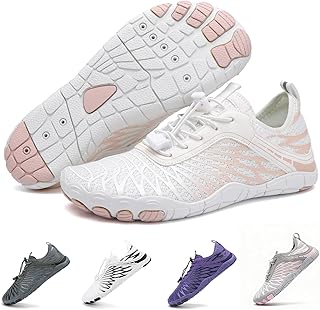

As an Amazon Associate we earn from qualifying purchases at no extra cost to you. Product prices and availability are accurate as of the date shown and are subject to change.
🛒 Best Price Today on Amazon
Prime members get fast, free shipping on everything above, plus member-only deals. New members get a 30-day free trial — cancel anytime.
How to Choose the Best Hiking Footwear for Women
The best hiking footwear for women starts with picking the right type — shoe, boot or trail runner — then dialing in fit, weather protection and traction. Each style suits different terrain and loads, so choosing the category first narrows everything else. Weigh four things before you buy, and let your typical hikes guide the decision.
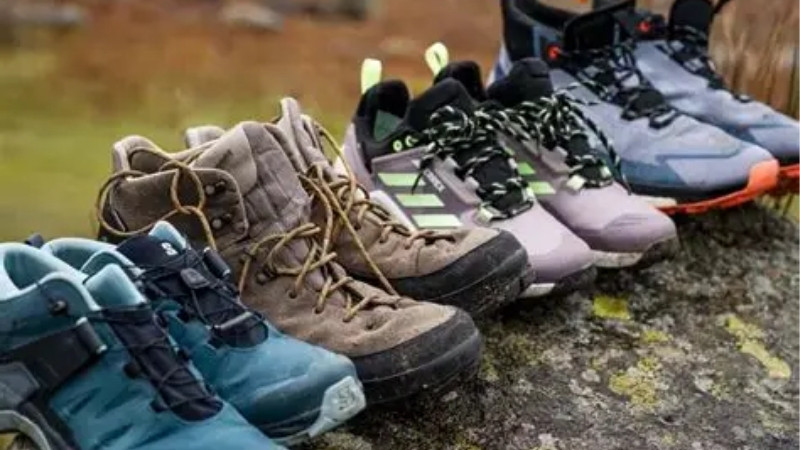
Choose Your Footwear Type
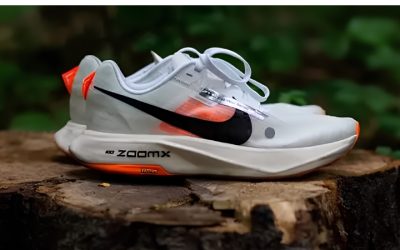
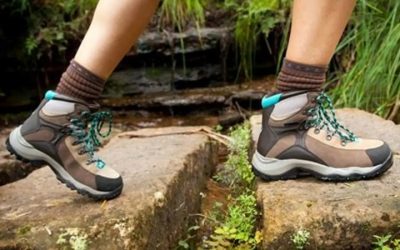
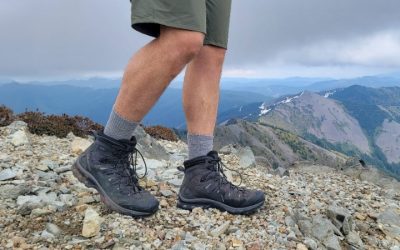
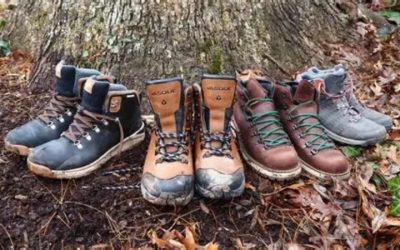
Low-cut hiking shoes are light and cool for day hikes, mid boots add ankle support for rough terrain and heavy packs, and trail runners are the lightest and fastest for well-maintained trails. Each excels in different conditions.
Think about your typical hikes and how much you carry. Fast, light day hikers often prefer shoes or trail runners for their low weight and breathability, while backpackers hauling loads over rocky ground benefit from the stability and ankle protection of a supportive boot. Many hikers end up owning more than one type.
Women’s-Specific Fit
Women’s footwear is built on a narrower, lower-volume last with a slimmer heel, not just a smaller size. That tailored shape reduces heel slip and pressure, so a true women’s model usually fits better than a downsized men’s one.
Fit still varies by brand — Altra and KEEN run roomy, La Sportiva runs narrow — so match the last to your foot. Try footwear on late in the day with your hiking socks for the truest fit.
Waterproof vs. Breathable
Waterproof membranes keep feet dry in mud and rain but trap heat and dry slowly once soaked. Breathable, non-waterproof footwear stays cooler and dries fast, which is often better for hot, dry conditions.
Match the choice to your climate and season. Cool, wet trails favor waterproof models, while summer and desert hikers usually prefer ventilated footwear paired with quick-dry socks for all-day comfort.
Cushioning and Traction
Cushioning affects comfort over long miles, with maximalist trail runners softening rocky ground and firmer shoes offering better stability. Heel-to-toe drop also changes how your stride feels underfoot.
Traction comes from the outsole compound and lug pattern, with Vibram Megagrip and Contagrip among the most trusted. Deeper lugs grip soft ground, while sticky rubber holds on wet rock and steep slabs.
Top Picks: The Best Hiking Footwear for Women
These six picks span hiking shoes, trail runners and boots to cover every kind of hiker. Each has real strengths and at least one honest drawback so you can match the right footwear type to your feet and trails.
| Model | Type | Waterproofing | Best for |
|---|---|---|---|
| Merrell Moab 3 Low WP | Hiking shoe | Waterproof | Overall value |
| HOKA Speedgoat 5 | Trail runner | Non-waterproof | Cushioned miles |
| Salomon X Ultra 5 GTX | Hiking shoe | Gore-Tex | Lightweight support |
| Altra Lone Peak 8 | Trail runner | Non-waterproof | Wide feet |
| HOKA Anacapa 2 Low GTX | Hiking shoe | Gore-Tex | Cushioned comfort |
| KEEN Targhee IV Mid WP | Boot | KEEN.DRY | Support and width |
Merrell Moab 3 Low Waterproof — Best Overall Value
The women’s Moab 3 low is the versatile default, with a comfortable, break-in-free fit, a roomy last and a grippy Vibram outsole. Often found under budget-shoe prices, it delivers waterproof protection and reliable all-day comfort.
The lower cut offers less ankle support than a boot, and the upper dries slowly once fully wet. It also comes in wide sizes for roomier feet. For the best hiking footwear for women on a budget, though, it is a comfortable, dependable all-rounder that works straight out of the box with almost no break-in.
HOKA Speedgoat 5 — Best for Cushioned Miles
This plush, high-stack trail runner with a grippy Vibram Megagrip outsole is built for long, rocky miles that would beat up feet in a firmer shoe. Its rockered shape rolls you smoothly forward step after step.
The tall cushion feels a little less stable on technical sidehills, and it is non-waterproof so feet get wet in creeks. The exposed midsole also wears before the tread does. For distance comfort on rough trails and fast day hikes, though, it is a benchmark that keeps feet fresh mile after mile.
Salomon X Ultra 5 GTX — Best Lightweight Support
The X Ultra 5 low is light, protective and versatile, with a Contagrip outsole that grips wet rock and a Gore-Tex membrane for wet-weather hikes. It balances a nimble feel with genuine trail stability.
The fit runs narrow with no wide option, and the quick-lace system is polarizing among hikers. It also costs more than basic value shoes. For slim-to-medium feet that want lightweight, supportive protection with confident grip, though, it is one of the best hiking shoes available and works across most three-season conditions.
Altra Lone Peak 8 — Best for Wide Feet
Altra’s zero-drop platform and famously wide, foot-shaped toe box let toes splay naturally, making the Lone Peak a favorite for wide feet and long distances. A gusseted tongue keeps debris out on dusty trails.
The MaxTrac outsole grips well on dry ground but trails Vibram on wet rock, and the zero-drop platform takes adjustment if you are new to it. It is also non-waterproof. For roomy, natural-feeling comfort on the trail and for wider feet that feel cramped in other shoes, though, it is a standout trail runner.
HOKA Anacapa 2 Low GTX — Best Cushioned Comfort
The Anacapa low blends HOKA’s plush midsole with a Vibram Megagrip outsole and a Gore-Tex membrane, delivering a comfortable, waterproof hiking shoe for long days. Sustainable materials and a smooth ride add to the appeal.
It carries some extra bulk that takes getting used to and sits at a premium price, and the Gore-Tex version runs warm in summer heat. For hikers who prioritize all-day cushioned comfort and a smooth, fatigue-fighting ride, though, it is a top choice that is well worth the investment on long days.
KEEN Targhee IV Mid Waterproof — Best Boot for Support
For hikers who want a boot, the women’s Targhee IV offers a roomy toe box, KEEN.DRY waterproofing and ankle support for rougher terrain and heavier loads. It is a dependable option for wide feet needing extra stability.
The full-grain leather takes miles to break in, and it runs warm and heavier than a low shoe or trail runner. If you want the width and support of a boot for tougher trails and heavier loads, though, it is an excellent, durable pick that keeps ankles stable on rough, rocky ground.
2026 Trends and Value in Women’s Hiking Footwear
A little market awareness helps you spend smarter this year, because footwear type, materials and durability all shape the value of the best hiking footwear for women.
Lighter Footwear Is Winning Over Hikers
Many women now choose lightweight shoes and trail runners over heavy boots for day hikes, trading some ankle support for less fatigue and faster miles on the trail. Matching footwear type to your actual hiking — not the toughest trip you might take — is the single biggest comfort upgrade you can make, and it often saves money too.
Eco-Friendly Materials Are Mainstream
Many 2026 models use recycled meshes, sustainable leathers and PFAS-free waterproofing, and surveys show a large share of buyers actively prefer greener gear. These options usually match traditional performance, so choosing eco-conscious no longer means compromising.
Durability Protects Your Investment
With footwear tariffs pushing some prices up by as much as 28 percent, buying durable pairs and timing fall sales protects your budget. Rotating footwear and drying it fully between hikes stretches its lifespan and lowers your cost per mile.
Frequently Asked Questions
The questions women ask most when choosing hiking footwear.
Should I choose hiking shoes, boots or trail runners?
Choose shoes or trail runners for light, fast day hikes on maintained trails, and boots for ankle support on rough terrain or with a heavy pack. Many hikers own more than one type and pick based on the trip.
Do women need women’s-specific hiking footwear?
Usually yes. Women’s models use a narrower heel, lower volume and different last that fit most women’s feet better than downsized men’s versions. That tailored shape reduces heel slip and pressure for a more comfortable hike.
Are trail runners good for hiking?
Yes, for many hikers. Trail runners are light, breathable and comfortable for day hikes and even long-distance thru-hikes on maintained trails, which is why many long-distance hikers now prefer them. They offer less protection and support than boots, so match them to easier terrain and lighter loads rather than heavy backcountry trips.
How do I make hiking footwear last longer?
Rotate pairs, let them dry fully between hikes, clean off mud and grit after muddy trips, and avoid machine drying, which breaks down the midsole adhesives. Replacing worn insoles and treating leather uppers also extends comfort and life well past the average mileage, protecting your investment as prices climb.
See More:
- best hiking Great Smoky Mountains
- best hiking Sedona
- hiking shoes for men best
- best hiking in the Smokies
- best chair camping
Final Thoughts
The best hiking footwear for women comes down to choosing the right type — shoe, boot or trail runner — then matching fit, waterproofing and cushioning to your terrain. The Merrell Moab 3 and Salomon X Ultra 5 are versatile shoes, the HOKA and Altra options cover cushioning and width, and the KEEN Targhee adds boot-level support. Pick the type that fits your hiking, invest in durability, and your feet will thank you for many happy miles.
Write Your Review
No reviews yet. Be the first to share your experience!