
Key takeaways
Best cooler for boat shopping is about more than cold drinks; the marine world punishes cheap gear with saltwater corrosion, UV fade, and constant pounding. The best cooler for boat use marries thick rotomolded insulation with rust-proof hardware and tie-down slots, so it holds ice through a hot day and stays put in rough water.
As an Amazon Associate we earn from qualifying purchases.
🛒 Best Price Today on Amazon
Prime members get fast, free shipping on everything above, plus member-only deals. New members get a 30-day free trial — cancel anytime.
Start 30-Day Prime Free Trial →See Today’s Amazon DealsHow to Choose the Right Best Cooler for Boat
A boat cooler lives a harder life than a camping cooler, so the buying criteria shift. Ice retention still matters, but so do corrosion resistance, deck footprint, and how well the chest stays put in a chop. The four factors below keep you focused on the best cooler for boat features that actually survive on the water.
Ice Retention and Insulation
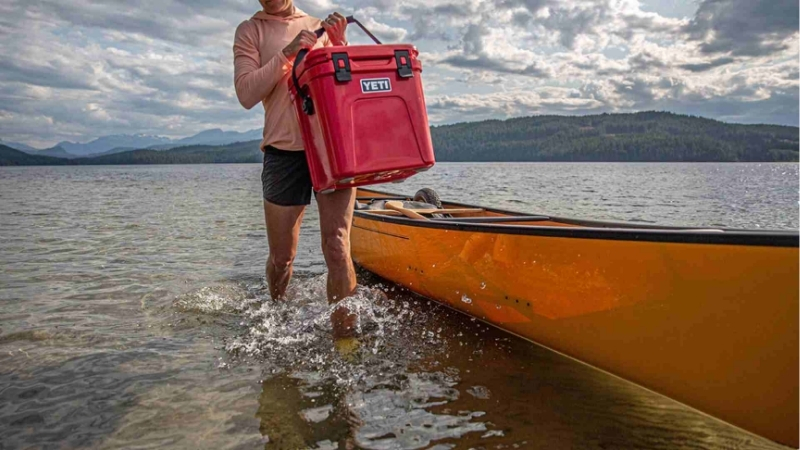
Rotomolded coolers are the marine standard because their single-piece shells and two to three inches of pressure-injected foam trap cold far longer than budget chests. A quality rotomolded box like the YETI Tundra 65 can hold ice for five to ten days depending on conditions, which easily covers a full day baking on a sunny deck.
Match the claim to your reality, though. A weekend boater rarely needs eight-day retention; you are paying for insurance against a hot deck, not a week offshore. For most day trips, a proven five-day-class cooler is the sweet spot between price and performance.
Marine-Grade Hardware and Corrosion Resistance
Saltwater destroys ordinary hinges and latches, so look for stainless screws, UV inhibitors baked into the shell, and rubber gaskets that seal tight. The Igloo Marine Ultra series, for example, adds threaded drain plugs and stainless hardware specifically to fight rust after repeated saltwater exposure.
UV resistance is just as important as rust protection. A shell without UV inhibitors chalks and fades after a single summer of deck exposure, while a marine-grade body holds its color and structural integrity season after season.
Size and Deck Footprint
Deck space is precious, so measure before you buy. A 45-quart chest holds around 54 cans and suits a small runabout, while a 65-quart box pushes past 77 cans for bigger crews and longer outings but eats noticeably more floor.
Weight matters when you are lifting a loaded cooler over a gunwale. A YETI Tundra 45 weighs about 25 pounds empty and a Tundra 65 about 30 pounds, and both roughly double once packed with ice, so honest self-assessment beats buying the biggest box on the shelf.
Tie-Downs, Non-Slip Feet, and Timing
On the water, a sliding cooler is a hazard. Built-in tie-down slots that accept cam straps and non-skid feet that grip wet fiberglass keep the chest anchored when the boat pitches, which is why marine-focused models from Engel and YETI build these in.
Timing also deserves a thought this year. Tariffs on aluminum and steel have driven up the cost of the very hardware these coolers depend on, and the wider category has seen roughly a 7.7% average price increase. Brands are openly calling future pricing an estimate, so buying a proven marine cooler now can beat the next round of increases.
There is a practical upside to acting early, too. Buy at the start of the season and you get the full run of sizes and colors before popular marine models sell through, plus time to rig tie-downs and dial in your ice routine before your busiest weekends on the water arrive.
Top Picks for the Best Cooler for Boat
These six best cooler for boat contenders earn their spot on deck through real durability and honest ice performance rather than marketing gloss. Every pick includes a genuine drawback so you can weigh the trade-offs before committing.
| Product | Capacity | Empty Weight | Ice Retention | Best For |
|---|---|---|---|---|
| YETI Tundra 65 | 77 cans | ~30 lbs | 5-10 days | Longer trips |
| YETI Tundra 45 | 54 cans | ~25 lbs | 5+ days | Small boats |
| RTIC 65 | ~64 cans class | Heavier build | ~5 days claim | Value buyers |
| Igloo Marine Ultra | Varies by size | Lightweight | Day-plus | Budget marine |
| ORCA 40 | ~48 cans | ~24 lbs | ~10 days ideal | Made in USA |
| Pelican Elite | Varies by size | Heavy-duty | Multi-day | Warranty focus |
YETI Tundra 65 (Best Overall)
The Tundra 65 is the deck workhorse for crews and longer outings. It holds up to 77 cans, carries two inches of insulation with a freezer-style gasket, and in independent testing its ice completely melted only after nine days. Built-in tie-down slots let you strap it down for rough water.
Its interior runs closer to 56 real quarts because the thick walls eat into space, and at about 30 pounds empty it is a genuine lift when loaded. For serious boaters, that trade-off buys reassurance; for casual day trips it may be more cooler than you need.
YETI Tundra 45 (Best for Small Boats)
On a compact runabout, the Tundra 45 is the Goldilocks size. It fits a claimed 54 cans, weighs about 25 pounds empty, and delivers the same rotomolded toughness and tie-down slots as its bigger sibling in a footprint that tucks out of the way.
Real-world testers note you have to play some can Tetris to actually reach 54, and it drains through a single hole that needs manual tilting. Even so, for a small boat it is hard to beat on durability.
RTIC 65 (Best Value)
RTIC delivers rotomolded performance for roughly 20 to 30% less than comparable YETIs, with about 2.8 inches of insulation and a five-day ice claim. On the 45-quart models, testers actually fit more cans than the equivalent Tundra thanks to a slightly larger interior and dual drains.
The savings come with a shorter one-year warranty versus YETI’s five years, and RTIC chests are not certified bear resistant and run a bit heavier. For pure on-water value, though, the trade is easy to make.
Igloo Marine Ultra (Best Budget Marine)
Designed from the ground up for boat life, the Marine Ultra bakes UV inhibitors into the body, adds stainless hardware and threaded drains, and includes practical touches like a built-in fish ruler and swing-up handles that won’t snag lines.
It won’t match a premium rotomolded box on multi-day retention, and the hinges feel less burly than the competition. But for a casual boater who wants real marine features without the premium price, it punches above its weight.
ORCA 40 (Best Made in USA)
ORCA builds its rotomolded chests in the USA and backs them with a lifetime warranty. The 40-quart holds around 48 cans, weighs about 24 pounds empty, and can push toward ten days of ice retention in ideal conditions, with tie-down-friendly hardware for the deck.
The whale-tail branding and premium build put it at the higher end of the price range, and the single-size 40 may feel small for big crews. For buyers who value domestic manufacturing and long warranties, it’s a standout.
Pelican Elite (Best Warranty)
Pelican’s Elite series is revered for build quality and carries a lifetime warranty on the body, with a 90-day warranty on parts like wheels, feet, gasket, and drain. The rotomolded shell and heavy-duty latches shrug off the abuse of a working boat.
These chests are notably heavy and dense, which is exactly what you want for durability but a chore to move when loaded. If long-term warranty coverage tops your list, few brands match Pelican’s confidence.
Frequently Asked Questions
Here are quick answers to the questions boaters ask most when picking the best cooler for boat duty on deck.
What makes a marine cooler different from a regular one?
Marine coolers add UV inhibitors to resist sun fade, stainless or corrosion-proof hardware to survive saltwater, tie-down slots to stay anchored in rough water, and non-slip feet to grip wet fiberglass. Standard coolers skip these, so their hinges and latches degrade quickly in a saltwater environment.
What size cooler should I buy for my boat?
Match capacity to crew and deck space. A 45-quart chest holding around 54 cans suits a small runabout, while a 65-quart box past 77 cans fits larger crews and longer days. Always measure your storage area first, since a loaded cooler is far heavier and harder to reposition than an empty one.
How long will ice really last on a hot deck?
A quality rotomolded cooler holds ice for roughly five to ten days in ideal conditions, but a sun-baked deck shortens that. Pre-chilling the cooler, using block ice, and keeping the lid closed all stretch retention. For a single day on the water, any five-day-class marine cooler has ample margin.
Are expensive rotomolded coolers worth it for boating?
For frequent boaters, yes; the corrosion-proof hardware, UV-stable shells, and tie-down slots earn their cost over years of saltwater use. Casual users can get real marine features from budget lines like Igloo Marine at a fraction of the price. The right answer depends on how many days you spend on the water.
See More:
Final Thoughts
The best cooler for boat use balances long ice retention with the corrosion-proof hardware, UV-stable shells, and tie-down slots that separate true marine chests from ordinary coolers. Whether you choose a premium Tundra, a value-driven RTIC, or a budget Igloo Marine, buying a proven model now, before further tariff-driven price hikes, keeps your crew cold and your deck party going all season.
Our top picks


 Igloo 54 Qt Marine Ultra Cooler
- Recommended Uses For Product: Camping
- Team Name: Igloo
- Warranty Type: Manufacturer
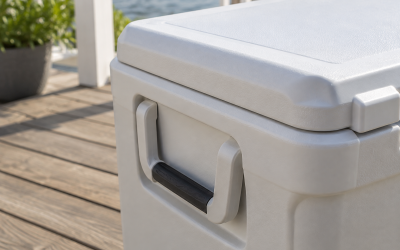
UV inhibitors help protect against sun damage
Stainless steel hinge area resists corrosion
Non-slip handles improve grip in wet conditions
Fixed 54 quart capacity limits larger loads
Hard-shell build makes it heavier to carry

As an Amazon Associate we earn from qualifying purchases at no extra cost to you.



Write Your Review
No reviews yet. Be the first to share your experience!