Our Top Picks
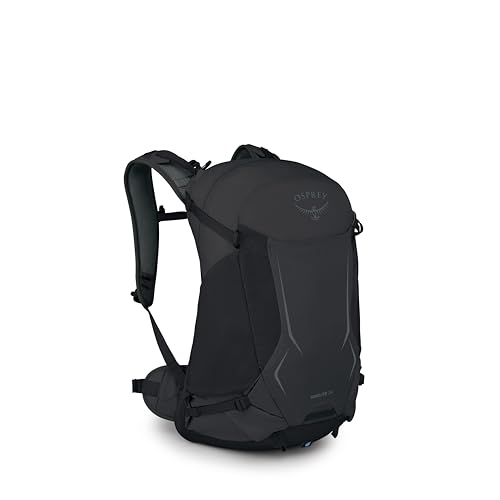
 Osprey Talon 22L Men's Lightweight Hiking Backpack22L - Standard Fit11.4 x 11.4 x 22 inches2.38 poundsCheck on Amazon
Summer hiking turns a backpack choice into a ventilation decision. A pack that presses flat against your back traps heat and soaks your shirt within the first climb, while a suspended panel that holds the load off your spine lets air move on every step. The trade-off is real: trampoline-style backs breathe best but push weight slightly farther from your body, and close-fitting foam panels feel steadier under a heavier load while running warmer against your skin.
This guide is written for day hikers who walk in genuine heat, for trail users who carry water-heavy loads on short routes, and for travelers doing summer sightseeing on foot. Every pack below was picked from the names and specifications on its Amazon page, with the back-panel design, capacity and listed features checked against that listing rather than against brand marketing.
Quick Picks
As an Amazon Associate we earn from qualifying purchases
| Product | Best for | Key spec from title |
|---|---|---|
| Gregory Citro 24 H2O Hydration Pack | Hikers who want water carried for them | 24L pack with integrated 3L reservoir |
| Osprey Hikelite 26 | Wet-weather summer walkers | 26L with AirSpeed suspended backpanel |
| Osprey Talon 22 | Fast movers who like a close fit | 22L with AirScape foam-channel panel |
How to Choose
Suspended mesh or foam channel
The biggest summer decision is how the back panel manages airflow. Suspended-mesh designs tension a trampoline of mesh across a frame, so the pack body never touches your back and air passes through the gap on every stride. Foam-channel panels instead carve ridges and grooves into padding that sits directly against you, venting through the channels while keeping the load tight to your body. Mesh wins on raw cooling during slow, steep climbs in humid air. Foam wins when you move quickly over uneven ground and dislike any sense of the load swaying behind you. Neither is wrong; match the panel to how you actually hike.
Capacity for a summer day load
Warm-weather day trips rarely need a huge bag, yet the load is bulkier than it looks: a shell layer, sun protection, snacks, a camera and several litres of water add up fast. Packs in the low-to-mid twenty-litre range swallow that list without inviting you to overpack, which matters because every extra pound raises your own heat output. A 22-litre bag suits disciplined packers and shorter routes. Stepping up to 26 litres buys room for a fleece on shoulder-season mornings and bulkier food. Measure your typical kit laid out on a bed before choosing, not the kit you imagine carrying.
Water carrying and hydration layout
Dehydration risk is the defining hazard of summer walking, so how a pack handles water deserves real scrutiny. An integrated reservoir removes the guesswork of reaching side pockets and usually pairs with a routed drinking tube, encouraging small, frequent sips. Bottle-based setups are simpler to refill at taps and fountains, and they make it easier to track exactly how much you have left. Consider your usual routes: long, dry ridgelines favour a reservoir you cannot forget to fill, while park trails with frequent water points suit bottles. Check also whether the hip belt has pockets for electrolytes or gels within easy reach.
Weight, fit and seasonal extras
A summer pack should disappear on your back, and listed weight is part of that, though figures deserve care because some listings omit weight entirely. Fit matters just as much: a ventilated panel only works if the hip belt sits on your hips and the frame length matches your torso, so confirm the sizing guidance on the listing before ordering. Then weigh the extras that suit your climate. An integrated rain cover earns its place where summer storms arrive without warning. Hip-belt pockets, trekking-pole keepers and a stretch front pocket for a damp layer all add convenience without adding much bulk.
The 3 Best Options
Gregory Citro 24 H2O Hydration Pack
Built around Gregory’s VaporSpan panel, the Citro holds its load away from your back on a suspended mesh trampoline, which suits hikers whose shirts end a summer walk soaked through. The 24-litre volume takes a day’s layers and food without encouraging excess, and the integrated 3L reservoir means water is part of the package rather than an afterthought purchase. At about 2 lb as listed, it stays light enough for long, hot ridgelines where every extra ounce raises your effort. Choose it if breathability and ready-to-go hydration top your list.
Specs
- Capacity: 24L
- Back panel: VaporSpan ventilated suspended-mesh backpanel
- Hydration: integrated 3L reservoir included
- Weight: about 2 lb as listed
- Best for: Hot-climate day hikers who want a reservoir included from the start.
- Watch out for: Confirm a live buy option before ordering, since the listing data behind this pick is not current; also settle for the listed weight figure only, as secondary sources quote slightly different weights for this pack.
Osprey Hikelite 26
The Hikelite 26 answers summer’s other problem, the sudden afternoon downpour, by pairing its ventilated back with an integrated rain cover. Osprey’s AirSpeed panel tensions mesh across the frame so air circulates behind your shoulders and lower back, keeping the 26-litre body off your skin on humid climbs. That extra capacity over smaller daypacks suits walkers who pack a spare layer and a fuller lunch. Hip-belt pockets keep small items reachable without stopping. Pick this one if your summer routes mix heat with unreliable skies and you want weather protection built in rather than packed separately.
Specs
- Capacity: 26L
- Back panel: AirSpeed tensioned-mesh suspended backpanel
- Rain cover: integrated, included
- Hip belt: pockets fitted
- Weight: not stated in the listing
- Best for: Summer hikers in changeable weather who want a rain cover always on board.
- Watch out for: The current listing states no weight, so do not rely on figures quoted by review or deal sites; confirm the live listing and its buy option before ordering, and check you are viewing the current-generation pack rather than the older model.
Osprey Talon 22
Where the other two packs float the load on mesh, the Talon 22 deliberately keeps things close. Its AirScape backpanel is a ridged foam sheet with a mesh covering, so air moves through the foam’s channels while the 22-litre load rides tight against your body. That planted feel rewards hikers who move fast, scramble over rock, or ride a bike to the trailhead and dislike a pack shifting behind them. The listed weight is 2.38 lb, and the trim volume enforces light packing. Choose the Talon when stability at speed matters more to you than maximum airflow across your back.
Specs
- Capacity: 22L
- Back panel: AirScape ridged-foam channel panel with mesh (not a suspended-mesh panel)
- Weight: 2.38 lb as listed
- Fit: Standard Fit, Phantom Grey/Dark Charcoal as listed
- Best for: Fast-paced hikers and scramblers who prefer a close, stable carry in warm weather.
- Watch out for: Order only under ASIN B0DSCN92VW, the current listing; older Talon 22 ASINs for previous and discontinued versions also circulate, so verify the code on the page and confirm a live buy option before paying.
Which One Fits Your Situation
You hike in humid heat and finish with a soaked back
Maximum air between pack and spine is your priority, which points to a suspended-mesh trampoline panel. Both the Citro 24 H2O and the Hikelite 26 hold their loads off your back that way, so each stride pumps air through the gap. The Citro adds an included reservoir for dry routes; the Hikelite’s extra two litres and rain cover suit storm-prone hills.
You move fast and hate a pack that sways
Speed changes the equation: a load held away from your body can pendulum on descents and rocky steps. The Talon 22’s AirScape foam panel keeps its 22 litres hugging your torso, venting through ridged channels instead of an air gap. You give up some cooling on slow climbs, but gain a planted, quiet carry that suits trail runners, scramblers and cyclists tackling warm routes at pace.
Your summer weather turns without warning
Afternoon thunderstorms punish hikers who left protection at home. The Hikelite 26 builds its defence in, with an integrated rain cover that deploys in seconds when the sky darkens, keeping pack and contents dry on the walk out. Its suspended AirSpeed panel still handles the hot, still hours before the storm breaks. If your summers run sunshine then downpour, the cover removes one decision from every trip.
You are buying your first dedicated summer daypack
Start with the decision that affects every walk: how the back panel breathes. If you run hot, the Citro 24 H2O’s VaporSpan mesh and included 3L reservoir remove two purchases at once and forgive beginner packing. If you prefer bottles, the Hikelite 26 covers you when rain arrives. Match capacity to your real kit list, not aspirational trips.
Common Mistakes
- Choosing a pack with a flat, unventilated back panel for midsummer hiking, then blaming fitness for overheating on climbs.
- Assuming every ventilated panel works the same way, when suspended mesh and foam channels feel and breathe very differently.
- Trusting a weight figure from a review site when the product’s own listing states no weight at all.
- Ordering an older model year under a similar name because a previous-generation ASIN appeared in search results.
- Buying capacity for a once-a-year expedition instead of the day trips the pack will actually serve every weekend.
Frequently Asked Questions
Is a suspended-mesh back really cooler than a foam panel?
For most hikers in still, humid air, yes. A suspended panel holds the pack body off your back entirely, so air flows across your whole spine rather than through narrow channels. Foam-channel panels still vent, and they feel steadier under load, but more of the panel contacts your body. Your pace, load and local humidity decide which compromise you notice less.
How much capacity do I need for summer day hikes?
Most summer day loads fit comfortably between 20 and 26 litres: water, a light shell, food, sun protection and small extras. Go toward the smaller end if you pack minimally and refill water often. Choose the larger end if you carry bulky food, a camera, or layers for exposed summits. Overfilling a small pack is worse than slightly underfilling a bigger one.
Should I choose a reservoir or bottles for hot-weather hiking?
A reservoir encourages frequent sipping through its tube and carries larger volumes neatly, which suits long, dry routes. Bottles are easier to refill at taps, simpler to clean, and make your remaining water obvious at a glance. Many hikers combine both on the hottest days. Match the system to your route’s water points rather than to habit alone.
Why do listings and review sites quote different weights for the same pack?
Model years change materials and features, and reviewers sometimes weigh a different size or an earlier version. Some current listings omit weight altogether, leaving secondary figures to circulate unchecked. The safest approach is to use the figure on the exact listing you are buying from, treat unstated weights as unknown, and never average conflicting numbers into a figure nobody published.
FAQ
Is a suspended-mesh back really cooler than a foam panel?
How much capacity do I need for summer day hikes?
Should I choose a reservoir or bottles for hot-weather hiking?
Why do listings and review sites quote different weights for the same pack?
More from Amazon
Programs that pair well with the guide above. Offers and eligibility are set by Amazon and may change.
Free shipping on eligible items, Prime Video and more. Eligible new members can start with a free trial.
Start a Prime free trialA Prime membership for ages 18-24 with a trial period. Eligibility is set by Amazon.
See Prime for Young AdultsAudiobooks and podcasts to listen to on the go. Eligible new members can start with a free trial.
Try Audible freeAd-free music streaming. Eligible new subscribers can start with a free trial.
Try Music Unlimited freeAs an Amazon Associate we earn from qualifying purchases.