Best Lightweight Technical Backpack for Long Treks
Five lightweight technical backpack picks compared on volume, pack weight, frame design and fabric, with sizing and load guidance for thru-hikes and treks.
A technical backpack is built for the trail rather than the airport: an internal frame that transfers weight to the hips, a harness shaped for long days under load, and fabrics chosen to survive brush, granite and weather. A lightweight technical backpack takes that same trail-first design and strips away everything that does not earn its place, so the pack itself stops competing with food and water for room in your load plan. The five packs below sit between roughly two and a half and three and a half pounds while still offering 45 to 60 liters of volume, real frame support and published load limits between 35 and 50 pounds.
The picks span the main suspension philosophies in this class. Suspended mesh designs hold the load away from your back for airflow, molded frame sheets keep the profile slim and close, and dynamic hipbelts pivot with your stride so the pack moves with you instead of against you. Each entry lists the maker’s published volume, weight, frame system and fabric, along with the exact size and colorway tied to the listing, because pack sizing is not decoration: a torso size that misses your measurement by an inch will carry badly no matter how light the pack is.
The Picks at a Glance
Osprey Exos 58 — the ventilated option, with a tensioned mesh back panel and an adjustable torso.
Granite Gear Crown3 60 — the modular option, with a removable frame sheet, lid and hipbelt that reconfigures for lighter trips.
Gregory Paragon 58 — the comfort-leaning option, with a dynamic hipbelt, side-zip access and an included raincover.
Gregory Zulu 45 — the smaller, nimble option for fast weekends and warm-weather routes.
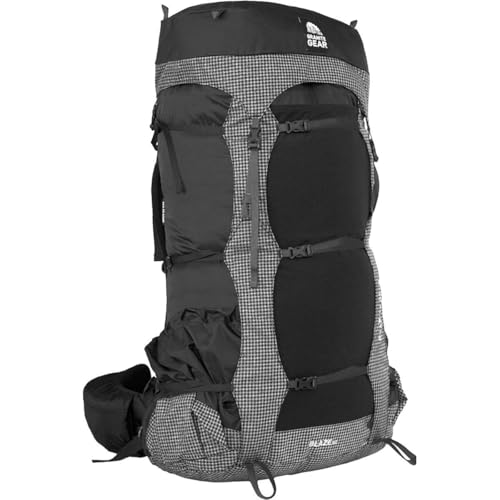
Granite Gear Blaze 60 — the load carrier of the group, pairing a three-pound build with the highest published load limit here.
The Exos 58 is the reference point for this category: a framed, fully featured pack that stays under three pounds. Its AirSpeed suspension tensions a mesh panel across a 4 mm LightWire perimeter frame, holding the load off your back so air can move through the gap on climbs. An injection-molded ladder system gives four inches of torso adjustment, which makes the Exos one of the easier packs here to fit precisely, and the two-size system (S/M and L/XL) covers most back lengths. The S/M version tied to this listing carries 58 liters and is the size to pick for torso lengths in the 17 to 20.5 inch range.
Organization follows the classic Osprey pattern: a removable floating lid with zippered pockets above and below, a FlapJacket cover for running without the lid, a tall front stretch pocket, dual-access side pockets, zippered hipbelt pockets and removable sleeping pad straps. Twin ice axe loops with bungee tie-offs and a Stow-on-the-Go pole attachment keep technical tools outside the main compartment. The fabrics are bluesign approved recycled nylons, 100-denier ripstop through most of the body with a heavier 400-denier weave in high-wear zones. Osprey publishes a load range of 30 to 35 pounds, which suits a dialed lightweight kit with several days of food.
2. Granite Gear Crown3 60 Backpack
Runner-Up
2. Granite Gear Crown3 60 Backpack
Volume: 60 L
Weight: 2.4 lb without lid (Regular torso); lid adds 0.18 lb
Frame: Vapor Current Mark 3 compression-molded PE frame sheet, removable
Maximum recommended load: 35 lb with frame sheet; 43 lb with optional aluminum stay; 25 lb frameless
The Crown3 60 takes the opposite approach to the Exos: instead of a suspended frame, it uses a compression-molded Vapor Current Mark 3 frame sheet that sits close to the back and can be removed entirely. In Regular torso trim without its lid, the pack weighs 2.4 pounds, and Granite Gear publishes three load configurations: 25 pounds without the frame sheet, 35 pounds with the sheet installed, and 43 pounds with the optional aluminum stay added. That modularity is the point of the design. The same pack can run stripped for a fast summer overnight or stay fully built for a week-long carry.
The roll-top main compartment swallows bulky items that fight panel loaders, and the removable lid converts to a chest pack or lumbar pack for side trips from camp. The Re-Fit hipbelt adjusts across a 26 to 42 inch range, a wider span than most fixed belts in this class, and the harness uses fixed torso lengths, so the Regular size tied to this listing fits backs from 18 to 21 inches. The shell mixes 100-denier and 210-denier Robic high-tenacity nylon with a Barrier DWR finish, and the Undyed colorway skips the dye process entirely, which Granite Gear notes can yellow naturally over time. Two zippered hipbelt pockets, a large front pocket and tall side pockets round out the storage.
3. Gregory Paragon 58 Backpacking Pack
3. Gregory Paragon 58 Backpacking Pack
Volume: 58 L (M/L); 55 L (S/M)
Weight: 3.57 lb (58 L size)
Maximum carry: 50 lb
Suspension: FreeFloat dynamic hipbelt with breathable cushioned-mesh backpanel
The Paragon 58 is Gregory’s lighter backpacking line, built around the FreeFloat suspension the brand also uses on its Zulu series. A dynamic hipbelt pivots independently as you walk, and the breathable backpanel uses a cushioned mesh that keeps airflow moving without a full trampoline gap. Gregory publishes a pack weight of 3.57 pounds for the 58-liter size and a maximum carry of 50 pounds, the joint-highest load figure in this roundup, which makes the Paragon the pick here for hikers whose kits are light but not yet ultralight.
Access is a strong point. Alongside the top opening there is a full-length side zipper that reaches gear buried at the bottom of the pack, plus a sleeping bag compartment and a dedicated pocket behind the front panel that holds the included raincover. An internal hydration sleeve with a SpeedClip-style hanger handles reservoirs, and the adjustable torso lets the M/L size tied to this listing settle onto a range of back lengths. For hikers moving down from a traditional four-pound pack, the Paragon keeps the familiar layout and panel access while cutting meaningful weight from the carry.
4. Gregory Zulu 45 Backpacking Pack
The Zulu 45 is the compact member of Gregory’s ventilated FreeFloat family, aimed at fast weekends, warm-weather routes and hikers who pack small. At 45 liters it is the smallest pack in this roundup, and the S/M size tied to this listing has a published item weight of 3.32 pounds with a maximum carry of 40 pounds, enough structure for a refined two or three day kit. The FreeFloat hipbelt flexes with your stride, the torso length adjusts, and the perforated backpanel keeps air moving on hot climbs.
A front U-shaped opening gives the Zulu panel-style access to the whole main compartment, a layout that suits hikers who organize with stuff sacks and pouches. The internal hydration sleeve uses Gregory’s SpeedClip hanger and works with the brand’s 3D Hydro reservoirs, though no reservoir is included. Oversized hipbelt pockets, a sunglass stow on the shoulder strap and a front stretch pocket handle the small items that otherwise vanish into the main bag. If your trips run two to four days in mild conditions and your base gear is already light, the Zulu 45 carries that load with less bulk than the 55 and 60 liter options here.
Specs
Volume: 45 L (S/M)
Weight: 3.32 lb
Maximum carry: 40 lb
Suspension: FreeFloat dynamic hipbelt with adjustable torso length
Access: top loading with front U-shaped opening
Hydration: internal sleeve with SpeedClip hanger (reservoir not included)
Model: 145669 (Forage Green, S/M)
5. Granite Gear Blaze 60 Backpack
5. Granite Gear Blaze 60 Backpack
Volume: 60 L
Weight: 3.0 lb
Frame: Air Current internal frame with adjustable torso
The Blaze 60 is the load hauler of this group. Granite Gear builds it on an Air Current internal frame with an adjustable torso, and publishes a maximum load of 50 pounds, yet the pack itself weighs three pounds. That combination, a full-size 60 liter bag that carries expedition-leaning loads at a trail weight closer to the ultralight entries, is why the Blaze shows up in so many long-distance gear lists. The torso adjusts across a wide range, and Short, Regular and Long sizes cover most back lengths.
The layout is a single large main compartment with a removable lid, extensive external compression that can be re-routed to lash awkward items, a tall front pocket and dual hipbelt pockets. The 210-denier Robic high-tenacity nylon shell is the heaviest fabric in this roundup, a deliberate trade: the Blaze gives up a few ounces against the Crown3 in exchange for abrasion resistance on the panels that scrape against rock and brush. Hikers who regularly carry a bear canister, winter layers or a week of food will use the Blaze’s headroom; hikers with sub-25-pound total loads will be happier in the Crown3 or Exos.
How to Choose a Lightweight Technical Backpack
Start with your total load, not the pack. Add up everything you carry on your longest typical trip, food and water included, and match it against the published load figures above. A pack run near its limit carries noticeably worse than the same weight in a pack with headroom, so if your heaviest days reach 35 pounds, the Paragon 58 or Blaze 60 will feel better at hour six than a pack whose published range ends at 35.
Measure your torso before choosing a size. Run a tape from the C7 vertebra at the base of your neck to the iliac crest at the top of your hip bones. Fixed-length packs like the Crown3 60 come in Short, Regular and Long bands, and the right band matters more than any other single decision. Adjustable systems like the Exos, Paragon and Blaze forgive a borderline measurement, which makes them safer picks when you fall between sizes.
Decide how you feel about ventilation. Suspended mesh panels, like the Exos AirSpeed system, hold the load away from your back and move the most air, at the expense of a load that rides slightly farther from your center of gravity. Close-fitting foam and frame sheet designs, like the Crown3, feel more stable with technical movement and keep the profile slim for scrambling and travel days. Neither is better in the abstract; match the back system to your terrain and climate.
Match volume to your kit, not your ambitions. A 45 liter pack like the Zulu 45 forces a disciplined kit and rewards it with a smaller, lighter carry. A 58 to 60 liter pack swallows a bear canister, a warmer sleeping bag and a week of food without heroic packing. If your gear still includes bulky synthetic insulation, take the larger volume; you can always compress an underfilled pack, but you cannot stretch a small one.
Check the fabric trade-offs. Every pack here uses high-tenacity nylon, but the denier spread tells a story: 100-denier bodies save grams and suit careful hikers on established trails, while 210 and 400-denier panels shrug off the abrasion of off-trail routes and airport baggage systems. If your hiking involves bushwhacking or frequent checked luggage, weight spent on heavier fabric is rarely wasted.
Frequently Asked Questions
What makes a backpack a technical pack?
A technical backpack is designed around a framed suspension that transfers most of the load to the hips, with a harness built for long days and terrain that goes beyond flat trails. Tool attachments such as ice axe loops and pole keepers, compression systems that stabilize awkward loads, and durable high-tenacity fabrics separate technical packs from travel and campus bags of similar size.
How light should a lightweight backpacking pack be?
For framed multi-day packs, the lightweight band runs from about two to three and a half pounds. Below that range you are usually giving up frame support or load capacity; above it, the pack starts to weigh as much as the gear savings it is meant to enable. The five packs in this guide sit inside that band while keeping published load limits of 35 pounds or more.
Can these packs carry a bear canister?
Yes, with planning. The 58 and 60 liter packs here swallow a standard vertical canister inside the main compartment, and the Crown3 60 and Blaze 60 also lash one under the lid or on top with their compression systems. The 45 liter Zulu generally needs a smaller canister or a horizontal fit, so check your canister dimensions against the pack before a trip into regulated areas.
How do I clean and store a technical backpack?
Shake out grit, sponge the shell with mild soap and lukewarm water, and rinse without submerging the foam components. Air dry fully away from direct heat, then store the pack uncompressed in a cool, dry place with the lid and pockets open. Keeping grit out of the hipbelt and harness foam extends the life of the padding more than any other habit.
Conclusion
The right lightweight technical backpack is the one whose published load limit, torso size and back system match the trips you actually take. The Osprey Exos 58 leads on ventilation and fit adjustment, the Granite Gear Crown3 60 leads on modular weight savings, the Gregory Paragon 58 blends comfort features with a 50 pound carry, the Gregory Zulu 45 trims the formula down for fast weekends, and the Granite Gear Blaze 60 carries the heaviest loads at the lowest pack weight in this group. Measure your torso, weigh your full kit, and let those two numbers narrow the list.
Disclosure: As an Amazon Associate, we earn from qualifying purchases made through links on this page, at no extra cost to you.
J
Jake Thompson
We compare specs, materials and verified owner reviews before a product earns a spot. Rankings are never paid.
FAQ
What makes a backpack a technical pack?
A technical backpack is designed around a framed suspension that transfers most of the load to the hips, with a harness built for long days and terrain that goes beyond flat trails. Tool attachments such as ice axe loops and pole keepers, compression systems that stabilize awkward loads, and durable high-tenacity fabrics separate technical packs from travel and campus bags of similar size.
How light should a lightweight backpacking pack be?
For framed multi-day packs, the lightweight band runs from about two to three and a half pounds. Below that range you are usually giving up frame support or load capacity; above it, the pack starts to weigh as much as the gear savings it is meant to enable. The five packs in this guide sit inside that band while keeping published load limits of 35 pounds or more.
Can these packs carry a bear canister?
Yes, with planning. The 58 and 60 liter packs here swallow a standard vertical canister inside the main compartment, and the Crown3 60 and Blaze 60 also lash one under the lid or on top with their compression systems. The 45 liter Zulu generally needs a smaller canister or a horizontal fit, so check your canister dimensions against the pack before a trip into regulated areas.
How do I clean and store a technical backpack?
Shake out grit, sponge the shell with mild soap and lukewarm water, and rinse without submerging the foam components. Air dry fully away from direct heat, then store the pack uncompressed in a cool, dry place with the lid and pockets open. Keeping grit out of the hipbelt and harness foam extends the life of the padding more than any other habit.
Affiliate disclosure. As an Amazon Associate we earn from qualifying purchases at no extra cost to you. Prices accurate as of the date shown.
Compare three carry-on travel backpacks for Italy, built for trains, cobbled streets and crowded stations, with lockable zips and padded laptop sleeves.
Compare the best Osprey running backpack for women: three Dyna hydration vests rated on capacity, reservoir or flask setup, fit, and pockets for trail runs.
Find the best lightweight tactical backpack with a slim 20L MOLLE daypack that fits a 13 inch laptop, resists water, and keeps daily loads well organised.
The best tactical waterproof backpack for field and range days: a MOLLE assault pack in waterproof Oxford fabric with hydration routing and bottle holders.
Find the best backpack for rim to rim hike days in the Grand Canyon, with advice on capacity, water carry, fit and ventilation for steep desert trails.
Find the best backcountry ski backpack for avalanche safety, ski carry and comfort. Compare capacity, fit and airbag compatibility before your next tour.


 5. Granite Gear Blaze 60 Backpack