The best running backpack women choose is rarely a traditional backpack at all. For running, the winning design is a snug hydration vest that hugs the torso, spreads its load across the chest and back, and keeps water, fuel and a phone within reach without bouncing. Women-specific vests add a shorter torso, shaped front panels and adjustable sternum straps, so the fit stays comfortable through long miles instead of chafing or riding up.
This guide covers four hydration vests and packs built for women runners, from a 6-liter trail vest to a 12-liter ultra-distance pack. Each one carries water in a different way, and each suits a different kind of run, so the right choice depends on how far you run, how much gear you carry and whether you prefer soft flasks up front or a bladder on your back. Read the fit notes carefully, since a vest that fits well will disappear on the run, while one that fits poorly will remind you of it at every mile.
A good running vest should feel like clothing, not luggage. The shoulder straps should sit flat, the front should close without squeezing, and the load should stay centred when you move. The picks below all meet that standard, and they cover short road runs, trail races, marathon training and ultra-distance days alike.
How to Choose
Fit and torso length. Women-specific vests use a shorter torso and shaped front panels that clear the chest instead of compressing it. Check the size range and the adjustment points, and measure your chest and torso against the maker’s sizing chart before ordering. A vest that is too long will bounce at the waist, while one that is too tight will chafe under the arms.
Hydration system. Front soft flasks are easy to sip from and refill at aid stations, and you can see how much water is left. A back bladder carries more water in one place and keeps the front clear for pockets, but it is harder to refill mid-run. Some vests support both, which gives you the most flexibility for long days.
Capacity. A 4 to 6-liter vest covers road runs and short trail races with water, gels and a phone. An 8-liter vest adds room for a light layer and more fuel. A 12-liter vest carries layers, food, a headlamp and mandatory race gear for ultras and long trail days. Buy the capacity you need for your longest regular run.
Bounce and stability. Stability comes from a snug fit, elastic sternum straps and a load that sits close to the body. Look for dual front adjustments, a compressive back panel and pockets that keep heavy items near your centre of gravity. A vest that bounces will waste energy and cause chafing over distance.
Pocket layout. Front pockets should hold flasks, gels and a phone where you can reach them without stopping. A large back pocket should swallow a jacket and extra food. Zippered pockets protect keys and cards, and a dedicated phone pocket keeps your screen safe from sweat and rain.
Weight. A lighter vest feels better after two hours than a heavier one, but weight alone is not the whole story. A slightly heavier vest with a better fit and better pocket access will often feel lighter on the run than a featherweight vest that bounces. Compare dry weight alongside capacity and features.
Materials and breathability. Mesh panels, moisture-wicking fabric and recycled materials all help a vest stay comfortable when you sweat. Check that the fabric dries quickly, that the seams are flat, and that the vest can be washed after muddy or sweaty runs without losing its shape.
The Nathan Pinnacle 12L is the most comfortable women’s running vest in this guide, with a women-specific fit, a 1.6-liter insulated hourglass bladder and a pocket layout that keeps food, a phone and layers within easy reach. The vest fits like a second skin, with sizes from XXS to XL and adjustable sternum straps that let you fine-tune the fit as the run goes on. Kangaroo pockets on the front hold gels and a phone, while the large back compartment swallows a jacket and extra fuel for long days.
Who it is for: women training for marathons, trail ultras and long mountain days who want maximum storage and a fit shaped for their body. It is the pick for runners who carry a full kit and want every pocket to be reachable on the move.
Caveats: this is a premium vest, and its 12-liter capacity is more than most road runners need, so it can feel like too much pack for short runs. The bladder adds weight when full, and the vest needs a careful fit check against Nathan’s sizing chart, since the snug cut runs close to the body. Confirm the size and colour in the listing before ordering.
The Salomon ADV Skin 12 is a 12-liter vest built for demanding endurance races, with two 500 mL soft flasks up front, compatibility with a separate 2-liter reservoir and a stable, bounce-free fit. The stretch fabric and Sensifit construction hug the torso, while the vest’s many pockets hold gels, a phone, poles and layers. A whistle is integrated for safety, and the vest is compatible with Salomon’s custom quiver for trekking poles. Salomon has moved to unisex sizing for this model, so women should check the size chart carefully and consider sizing down for a snug fit.
Who it is for: trail runners and ultra racers who want a high-capacity vest with front-flask hydration, pole carry and a proven race-day design. It suits runners who move between road and trail and want one vest for both.
Caveats: the unisex cut is less shaped than a women-specific vest, so the fit may need more adjustment, especially across the chest. The reservoir is sold separately, and the vest’s many pockets take a few runs to learn. Check whether the listing is the current model or an earlier version, since Salomon updates this vest regularly.
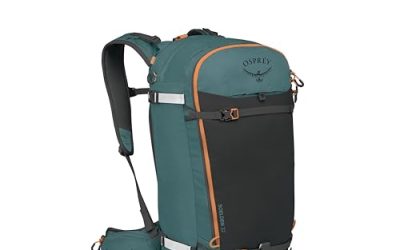
The Osprey Dyna 6 is a women-specific 6-liter vest with an included 1.5-liter Hydraulics reservoir, ergonomic padded straps and stretch-mesh pockets for layers and fuel. The vest is built from bluesign-approved recycled nylon, and its internal frame and compression system give it a backpack-like stability that suits rugged trails. Trekking pole and ice axe attachments add versatility for mountain running, and the reservoir sits in a dedicated sleeve with direct-zip access for easy refills.
Who it is for: women trail runners who want a mid-capacity vest with a real reservoir, a stable carry and room for extra layers on rugged routes. It is a strong pick for runners who prefer drinking from a hose to handling flasks.
Caveats: the 6-liter capacity is smaller than the 12-liter picks here, so it suits half-day runs rather than full ultras. The reservoir adds weight at the back, and the vest’s padded construction is slightly heavier than minimalist flask vests. Confirm the size and whether the listing includes the reservoir or the soft-flask version, since Osprey sells both configurations.
The Nathan TrailMix 7L is a versatile 7-liter vest with an included 2-liter bladder, adjustable straps and an expanded size range for men and women. It bridges the gap between a minimalist race vest and a full ultra pack, with enough room for water, food, a phone and a light layer, and a fit that adjusts to a wide range of body shapes. The vest is light for its capacity and works well for marathon training, trail races and long training runs alike.
Who it is for: runners who want one vest for most of their training, from long road runs to trail races, without committing to a 12-liter pack. It suits runners who prefer a bladder over flasks and want a straightforward, adjustable fit.
Caveats: the fit is unisex rather than women-specific, so women with a shorter torso should check the adjustment range carefully. The 2-liter bladder is generous, but a full bladder adds noticeable weight at the back. The vest has fewer specialised pockets than the Pinnacle, so organisation takes a little more thought.
Comparison Table
Vest
Capacity
Hydration included
Fit
Weight
Best for
Nathan Pinnacle 12L Women’s
12 liters
1.6-liter insulated bladder
Women-specific, XXS to XL
About 7.2 oz without bladder
Ultras and long trail days
Salomon ADV Skin 12
12 liters
Two 500 mL soft flasks
Unisex, check sizing
About 9 oz
Endurance races and pole carry
Osprey Dyna 6 Women’s
6 liters
1.5-liter reservoir
Women-specific, WS to WL
About 10.7 oz with reservoir
Rugged trail runs
Nathan TrailMix 7L
7 liters
2-liter bladder
Unisex, adjustable
About 12.7 oz
Marathon training and trail races
Which One Is Right for You?
For ultra-distance and long trail days, the Nathan Pinnacle 12L Women’s is the most comfortable and best-organised vest here, with a women-specific fit and a pocket for everything. For races where you want front flasks, pole carry and a proven endurance design, the Salomon ADV Skin 12 is the pick, with the caveat that its unisex fit needs a careful size check. For rugged trail running with a reservoir and a stable, backpack-like carry, the Osprey Dyna 6 is the best mid-capacity option, while the Nathan TrailMix 7L is the most versatile all-rounder for runners who want one vest for marathon training and trail races. Begin with your longest regular run, then choose the capacity and hydration style that matches it, and always check the maker’s sizing chart before you order.
Frequently Asked Questions
What size running vest should a woman choose?
Measure your chest at its fullest point and your torso length, then compare both numbers with the maker’s sizing chart rather than guessing from clothing size. A vest should fit snugly without restricting breathing, and the front straps should close comfortably with room to tighten as you drink and the load lightens. If you fall between sizes, size down for a race fit or size up if you plan to wear thick layers underneath.
Are soft flasks or a bladder better for running?
Soft flasks are easier to sip from, refill at aid stations and monitor, and they keep weight at the front where it balances well. A bladder carries more water in one place, keeps the front clear for pockets and works well with a hose, but it is harder to refill mid-run and harder to see how much is left. Many runners use flasks for races and a bladder for long training runs, and some vests support both.
How do I stop a running vest from bouncing?
Tighten the sternum straps so the vest sits snug against your chest, and keep heavy items close to your back and centred. Pack the vest before you run so nothing shifts, and use the compression straps to pull the load in. A vest that still bounces is usually the wrong size or the wrong capacity for the load, so re-check the fit and consider a smaller vest for shorter runs.
Can I use a running vest for hiking as well?
Yes, a 6 to 12-liter running vest works well for fast hiking and day hikes where you want water, food, a layer and a phone close at hand. The vest’s snug fit and front pockets are an advantage on steep trails, though a hiking daypack will carry more food, more layers and bulkier gear for a full day out. For mixed running and hiking, a 7 to 12-liter vest is the most flexible choice.
Disclosure: As an Amazon Associate, we may earn from qualifying purchases.
J
Jake Thompson
We compare specs, materials and verified owner reviews before a product earns a spot. Rankings are never paid.
FAQ
Which One Is Right for You?
For ultra-distance and long trail days, the Nathan Pinnacle 12L Women’s is the most comfortable and best-organised vest here, with a women-specific fit and a pocket for everything. For races where you want front flasks, pole carry and a proven endurance design, the Salomon ADV Skin 12 is the pick, with the caveat that its unisex fit needs a careful size check. For rugged trail running with a reservoir and a stable, backpack-like carry, the Osprey Dyna 6 is the best mid-capacity option, while the Nathan TrailMix 7L is the most versatile all-rounder for runners who want one vest for marathon training and trail races. Begin with your longest regular run, then choose the capacity and hydration style that matches it, and always check the maker’s sizing chart before you order.
Affiliate disclosure. As an Amazon Associate we earn from qualifying purchases at no extra cost to you. Prices accurate as of the date shown.
Find the best backpack for travel with wheels for airports, stations and city streets. Compare three rolling backpacks and choose the right one for your trip.
Find the best large running backpack for long trail days, with room for water, layers and essentials. Compare three roomy hydration packs and choose your fit.
The best fully waterproof backpack keeps gear dry through rain, river crossings and full immersion. Compare three dry packs for kayaking, fishing and travel.
The best waterproof tech backpack protects your laptop and gear from rain on the commute. Compare four weatherproof packs for work, travel and everyday carry.
Find the best day ski touring backpack for dawn patrols and full-day tours. Compare two ski touring packs with ski carry, avalanche pockets and hydration.
Find the best ultra lightweight backpack for long trails and fast miles. Compare three ultralight packs that cut weight without losing comfort or durability.
Compare 3 tactical hard gun cases with waterproof shells, customizable foam and lockable fittings, sized for secure storage and lawful checked transport.
Compare the best fat tire electric bikes for trails, sand and snow, from a 2000W peak moped-style ride to a folding long-range model and dual-motor AWD.
Fan out one generator safely outdoors: locking feeds, splitter cords and TT-30 runs compared by plug, gauge and length, plus distribution safety notes.
Three SR Max work boots with MaxTRAX slip-resistant outsoles compared: steel toe, soft toe, waterproof uppers, and met-guard protection for long shifts.

 Nathan Pinnacle 12L Women’s Running Vest
 Salomon ADV Skin 12 Running Vest
 Osprey Dyna 6 Women’s Running Hydration Vest
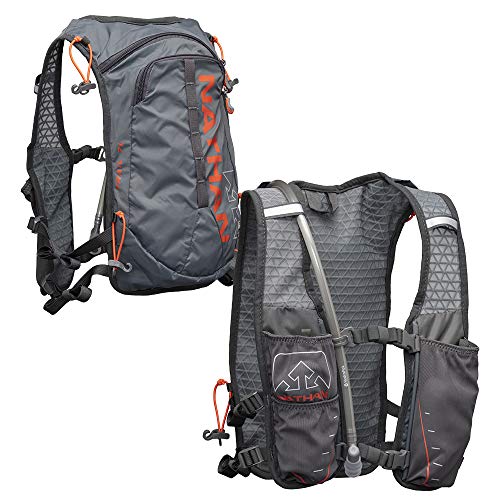 Nathan TrailMix 7L Running Vest