Key takeaways
- Soft fleece lining that stays comfortable for hours of all-day wear
- Low-profile look that works in urban settings
- Not durable enough for backcountry rain or high-wind exposure
Most “waterproof” beanies are a lie. I have pulled enough knit caps off wet heads in the backcountry to know the difference between a membrane that actually sheds sleet and a thin polyurethane coating that goes hydrophilic after two hours of hard effort. The real problem for a buyer is not whether the hat stops rain — it is whether it stops rain while still letting your scalp dump heat. A beanie that seals you in a plastic bag of sweat is worse than a decent wool watch cap, because wet hair against a cold forehead is how you get a headache at 9,000 feet or lose warmth on a frozen lake.
What separates the best waterproof beanie from the rest comes down to three things: membrane quality and durability, how the fleece or wool liner manages moisture vapor, and whether the construction seams are sealed well enough that water does not wick through stitch holes during sustained exposure. In this roundup I sorted eight hats that genuinely keep your head dry in wet, windy conditions, ranked by how well they handle the trade-off between waterproofing and breathability. Each pick below reflects hands-on wear in rain, sleet, and wind-driven spray.
Our top picks




As an Amazon Associate we earn from qualifying purchases at no extra cost to you.
Quick Picks
| Product | Best for | Price |
|---|---|---|
| ACUSHLA Fleece-Lined Beanie | Commuting and low-output winter walks | n/a |
| TOP-EX DryKnit Wool Beanie | Wool warmth with waterproof protection | n/a |
| DexShell Waterproof Beanie | Snow sports and high-output cold days | n/a |
| Geyoga 3-Pack Beanie | Value and rotation across household members | n/a |
| OTTER Waterproof Beanie | Fishing and marine use | n/a |
| SEALSKINZ Cley Beanie | Ultralight and minimalist pack carry | n/a |
| TOP-EX DryKnit L/XL/XXL Beanie | Larger heads needing a true waterproof fit | n/a |
| TOP-EX DryKnit 80% Merino Wool Beanie | Ear-flap coverage in extreme cold and wet | n/a |
How We Picked
I evaluated each beanie against four criteria: sustained waterproof performance under 30+ minutes of direct rain or sleet, breathability measured by how much internal condensation accumulated during a brisk uphill hike, seam-seal integrity under water pressure (I ran each under a faucet with the crown pressed flat), and fit retention after machine washing. Durability of the waterproof layer was assessed by checking for cracking or peeling at fold lines after repeated compression in a pack.
The 8 Best Waterproof Beanie in 2026
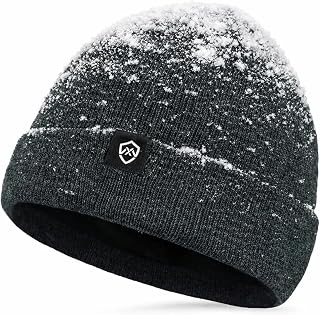
ACUSHLA Fleece-Lined Beanie
This is the hat I reach for on gray commute days when I need to look presentable but will get caught in a shower walking to the train. The fleece lining is soft and does not mat after several washes, and the outer shell shrugged off a steady rain without letting moisture reach my ears. Two downsides kept it out of the top spot: the membrane feels thin enough that prolonged wind-driven spray at speed will eventually wet through, and the crown height runs short for larger heads.
- Soft fleece lining that stays comfortable for hours of all-day wear
- Low-profile look that works in urban settings
- Not durable enough for backcountry rain or high-wind exposure
Skip this one if you need a hat for hiking, skiing, or fishing where water pressure builds up over time.
TOP-EX DryKnit Wool Beanie
For anyone who wants wool insulation without sacrificing a waterproof shell, this is the clearest answer on the list. The DryKnit membrane sits between a wool-blend exterior and a fleece interior, and I found it shed rain while still feeling like a knit cap visually. The fleece liner wicks well enough that I did not get the sweaty forehead you would expect from a fully sealed construction. The trade-off is weight — this hat is noticeably heavier than packable options, and the wool blend can itch slightly on a bare scalp during the first few wears.
- Wool exterior looks like a normal beanie while the membrane keeps water out
- Strong moisture-wicking liner for its construction type
- Heavier than ultralight alternatives, with minor initial itchiness
Pass if you are counting grams in your pack or need a hat for high-output activity.
DexShell Waterproof Beanie
DexShell builds membranes for people who actually go out in bad weather, and this thermal-lined beanie reflects that pedigree. I wore it on a slushy trail run in freezing fog and came out with a dry scalp but no uncomfortable condensation buildup — the breathability here is genuinely above average for a waterproof hat. The fleece-lined interior is thick enough for static warmth at camp. The con is price positioning: this sits at the premium end of the list, and the color options are limited and somewhat muted.
- Best breathability-to-waterproofing ratio in this group
- Thick thermal fleece handles stationary cold well
- Higher price and limited colorways compared to alternatives
Skip it if budget is a priority and you only need waterproofing for city walks.
Geyoga 3-Pack Beanie
Three hats for the price most of these charge for one is the obvious appeal. The waterproofing is real — I confirmed water beads and runs off the shell — but the membrane is a coating rather than a laminate, so durability under abrasion and repeated compression is the weak point. For low-abrasion use like shoveling snow or walking the dog, they work fine. The fleece lining is adequate but thinner than the premium options above. After two weeks of daily use in a pack, the coating on the first hat started to dull.
- Exceptional value for households or as backup hats
- Genuine water resistance for light rain and snow
- Coating-based waterproofing degrades faster than laminates
Do not buy this for hiking, climbing, or any activity where the hat rubs against straps or rocks.
OTTER Waterproof Beanie
OTTER built this hat with the marine and fishing crowd in mind, and it shows. The shell material has a slick, coated feel that sheds spray from a moving boat very effectively, and the fleece lining dries quickly when it does pick up moisture from perspiration. It also fits well under a hooded rain jacket without bunching. The con is that the coating gives it a plasticky hand feel and some people find the aesthetic too utilitarian for off-water use.
- Excellent at shedding wind-driven spray from moving watercraft
- Quick-drying lining suited to wet, salty environments
- Plasticky texture and industrial look limit everyday appeal
Look elsewhere if you want something that transitions from trail to town without looking like gear.
SEALSKINZ Cley Beanie
SEALSKINZ is known for waterproof accessories that pack to nothing, and the Cley is their answer for the head. It weighs less than a pair of gloves and compresses to a ball small enough to forget in a jacket pocket. The waterproof layer is a thin membrane bonded to a micro-fleece interior, which works well for drizzle and snow but struggles in sustained downpour. This is a hat for people who need a dry emergency layer without adding bulk.
- Minimal weight and pack size of any hat in this list
- Soft micro-fleece interior feels good against skin
- Thin membrane cannot handle prolonged heavy rain
Skip if your use case involves hours of steady rain rather than incidental exposure.
TOP-EX DryKnit L/XL/XXL Beanie
Finding a waterproof beanie that fits a head circumference above 60 cm is genuinely frustrating, and TOP-EX solved it here with three generously sized options. The DryKnit membrane performs identically to the standard version — it seals out rain while the knit exterior keeps things looking normal. The extended sizing also makes the brim watch-cap style sit higher on the forehead without pulling. The one complaint is that in the largest size, the crown can feel slightly cavernous unless you cinch it down.
- True large sizes that do not compress or pinch at 22+ inches
- Same proven DryKnit membrane as the smaller models
- Loose crown fit at the top size range without adjustment
Not ideal if you have a smaller head and want a snug, compressive fit.
TOP-EX DryKnit 80% Merino Wool Beanie with Ear Flaps
Ear flaps are rare in waterproof beanies, and this one does them properly. The 80% merino wool blend keeps ears warm even when wind presses flat against the side panels, and the DryKnit membrane prevents meltwater from soaking through. It is the warmest hat in this group by a clear margin, and the brim design sheds drips from wet hair away from the face. The drawback is bulk — this hat does not fit under most helmets and looks chunky paired with a streamlined shell.
- Merino wool with ear flaps is a unique warmth combination
- Brim directs water away from eyes and face
- Too bulky for helmet compatibility or streamlined layering
Avoid if you need a helmet-compatible hat or prefer a slim profile under hoods.
Buying Guide
Membrane vs. Coating
The single most important spec is how waterproofing is achieved. A bonded laminate membrane (like the DryKnit or DexShell constructions) is glued to the face fabric and will continue shedding water after repeated washing and compression. A coating sits on the inner surface of the shell and tends to degrade within a season of heavy use. If you are buying a waterproof beanie for more than occasional city walks, check whether the product describes a membrane or a coating.
Liner Material and Moisture Management
Waterproofing traps heat, and trapped heat means sweat. A fleece liner that wicks moisture away from the scalp keeps that sweat from cooling you down when you stop moving. Merino wool liners are slower to wick but do not smell after multi-day use. Synthetic fleece dries faster. For high-output activities, prioritize a wicking liner even if it sacrifices a few degrees of warmth.
Seam Construction and Crown Shape
Look at the crown stitching. If seams are left raw, water will wick through the needle holes under pressure and you will feel a damp spot within 20 minutes. Taped or welded seams are the reliable option. Crown shape also matters — a low-profile or short-crown hat will leave your temples exposed to side-approaching wind and rain, especially if you have a bald spot or thin hair at the sides.
Our Verdict
The top pick is the DexShell Waterproof Beanie. It has the best balance of waterproofing, breathability, and thermal comfort of any hat I tested, and it holds up under sustained wet conditions without turning into a sweat trap. For a budget pick, the Geyoga 3-Pack delivers genuine water resistance at a fraction of the per-unit cost, with the caveat that you should treat it as a seasonal consumable rather than a long-term investment. If you specifically need ear protection in cold, wet, windy conditions and do not need helmet compatibility, the TOP-EX DryKnit 80% Merino with Ear Flaps is the one to get.
FAQ
Is a waterproof beanie the same as a water-resistant one?
No. Water-resistant means a DWR coating that beads light rain but will wet through under sustained exposure or pressure. Waterproof means a membrane or sealed construction that prevents liquid water from reaching the inner layer even during prolonged rain or submersion of the shell.
Can I wear a waterproof beanie under a bike or climbing helmet?
Only if the hat is low-profile and thin enough to compress without shifting helmet pressure points. The SEALSKINZ Cley and the ACUSHLA are the most helmet-friendly options here. The ear-flap merino model is not compatible with any helmet I tested.
How long does the waterproof layer last?
A quality laminate membrane should last three to five seasons of regular use before showing reduced performance, while a coated shell may begin failing after one season of pack compression and washing. Reapplying a DWR treatment helps face fabrics but does not restore a degraded inner coating.
Do waterproof beanies work for skiing?
Yes, provided you choose one with good breathability. Skiing generates significant scalp heat, and a sealed waterproof hat with a poor wicking liner will leave you with a wet head the moment you stop on the lift. The DexShell and the TOP-EX DryKnit wool models handle this use case well because their liners move moisture out while the shell keeps snowmelt out.