Splitboarding has matured enough that the hardware differences between good and mediocre setups are no longer subtle. After logging multiple seasons on touring climbs and testing transitions at trailheads in real conditions, the pattern is clear: the best splitboards fail most often at the interface points — skin adhesion in wet snow, clip reliability under repeated stress, and base glide that dries out after a few backcountry laps. A board that rides like a snowboard but tours like a sled is not a splitboard; it is a compromise that punishes you on long approaches.
What separates a top-tier setup from a frustrating one comes down to three things: how confidently the hardware holds together during aggressive descents, whether the climbing skin system stays bonded when snow temperature swings, and how quickly you can transition from uphill to downhill mode at the summit when wind is biting and your fingers are numb. Price is a rough proxy for hardware quality, but not a perfect one. Several boards in this guide underperform their cost, while others punch well above it. Here is what we found when we compared the best splitboards available heading into 2026.
Our top picks



As an Amazon Associate we earn from qualifying purchases at no extra cost to you.
Quick Picks
| Product | Best for | Price |
|---|---|---|
| G3 Genuine Guide Gear Climbing Skins | Universal skin replacement | $193 |
| JONES Ultra Solution | Aggressive freeride touring | under $1,600 |
| G3 AXLE Splitboard | All-mountain backcountry touring | under $600 |
| JONES Mind Expander | Tree runs and powder surfing | under $800 |
| Arbor Terrapin PFD | Budget directional touring | under $400 |
| JONES Solution | Proven directional freeride | under $1,100 |
| CAPiTA Neo Slasher | Mens freestyle-oriented touring | under $500 |
| Burton Step On Splitboard Bindings | Fast transitions with step-in convenience | under $400 |
How We Picked
We evaluated each product against four criteria: skin and clip system reliability under repeated stress, board shape and flex characteristics matched to their stated terrain, transition speed and hardware intuitiveness, and overall value relative to build quality. Boards that scored well on ride feel but had problematic hardware were penalized heavily, because a splitboard that delaminates or loses a clip mid-descent is a safety issue, not just an inconvenience.
The 8 Best Splitboards in 2026
G3 Genuine Guide Gear Climbing Skins
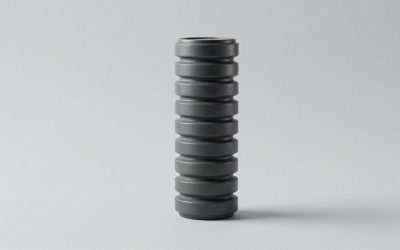
These are not a board but a universal skin set designed to fit most splitboard bases, and they are the right pick for riders whose stock skins have lost glue strength. Made in Canada, they offer a grip profile rated for all snow conditions, which translates to decent adhesion in both cold dry snow and marginal wet snow. Pro: the universal trim-to-fit approach means they work across brands and board lengths without proprietary hardware. Pro: reasonable price compared to brand-specific replacements. Con: the 3.1 out of 5 star rating reflects real user complaints about glue longevity and tail hook durability after heavy use. Skip these if your current skins still grip well; the marginal cost is not justified over a fresh dedicated pair.
JONES Ultra Solution Splitboard
The Ultra Solution is the flagship of JONES backcountry line, and at over $1,500 it is also the most expensive board on this list. The Karakoram Ultra Clips 3C with Tip Lock represent the current pinnacle of clip-based connection systems, offering a rigid, confidence-inspiring interface between deck and tail that virtually eliminates the play and noise older clips introduced. Pro: directional freeride shape handles steep chutes and heavy variable snow without chatter. Pro: the 3C Tip Lock system is dramatically easier to use with gloves than earlier generations. Con: the price is a genuine barrier, and the board is overkill for riders who mostly tour moderate terrain. Skip it if you are a weekend tourer who wants value over marginal hardware refinement.
G3 AXLE Splitboard
The AXLE targets all-mountain backcountry touring with a carbon fiber matrix construction that keeps weight competitive while maintaining dampness underfoot. The longer early rise profile gives it forgiveness in variable snow and makes it less likely to catch an edge during kick-turns on steep skin tracks. Pro: the full thickness base means you are not riding a thin, fragile construction, which matters for durability over multiple seasons. Pro: carbon reinforcement gives energy return on the up without harshness on the down. Con: at $536 it sits in a crowded price band where some competitors offer more refined freeride geometry for similar money. Skip it if you primarily ride steep alpine terrain and want maximum directional confidence.
JONES Mind Expander Splitboard
The Mind Expander is built around a surf shape profile that rewards creative, loose-stance riding in trees and soft powder. It is not the board for someone chasing speed or straight-line stability on open faces; it is the board for riders who want to slash, pivot, and surf through backcountry stashes. Pro: the surf shape generates natural butter and press options without requiring a true twin outline. Pro: lighter overall swing weight in tight tree runs compared to more directional options on this list. Con: the $744 price is steep for a niche shape, and riders expecting freeride stability will be disappointed. Skip it if your priority is charging steeps or covering long vertical in variable conditions.
Arbor Terrapin PFD
For under $385, the Terrapin PFD is the most accessible entry point to real directional splitboard riding. The 146cm length suits lighter riders and smaller women, though it limits float in deep powder for anyone above average weight. Pro: the price undercuts most competitors by hundreds of dollars without an obvious reduction in core materials. Pro: PFD (Power Flite Device) mounting is tool-free and intuitive for first-time splitboarders. Con: at this price you are making trade-offs on edge hold and dampness at speed that more expensive boards simply do not have. Skip it if you ride aggressive terrain or expect hardware longevity across five-plus seasons of heavy use.
JONES Solution Splitboard
The Solution has been a benchmark directional freeride splitboard for multiple seasons, and the Ultra Clips 2.0 system with Tip Lock provides a secure connection that, while slightly older than the 3C system, is still a significant upgrade over basic rail-and-pin hardware. Pro: the directional freeride shape is predictable and stable in wind-loaded snow and firm conditions where less refined boards get twitchy. Pro: JONES has a deep support network and parts availability, so aging hardware is not a dead end. Con: at $1,050 it is a serious investment, and the 2.0 clips are not as quick to engage as the newer 3C generation. Skip it if you already own a Solution with 1.0 or rail clips; the upgrade path is not dramatic enough to justify full repurchase.
CAPiTA Neo Slasher Splitboard
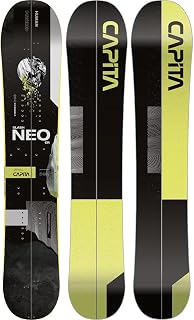
The Neo Slasher at 161cm is aimed at bigger men who want a freestyle-oriented approach to backcountry riding. CAPiTA’s build quality is generally solid for the price range, and the directional-twin geometry offers more switch comfort than pure directional shapes. Pro: the $480 price sits well below premium competitors while using modern construction methods. Pro: the longer length provides adequate float for heavier riders without the bulk of full freeride shapes. Con: limited information on the specific skin attachment and hardware system is a concern for a category where clip quality determines safety. Skip it if your priority is proven hardware and you are unwilling to verify compatibility before purchase.
Burton Step On Splitboard Bindings
These are bindings, not a board, but they are a critical component of any splitboard setup. The Step On system eliminates the need to sit on a cold surface and wrestle with straps, which matters enormously when you are fatigued at a wind-scoured summit. Pro: the 4.6 out of 5 star rating reflects genuine satisfaction with speed and ease of use during transitions. Pro: Burton’s ecosystem means the bindings work across their board range with minimal fiddling. Con: at $380 they add meaningful cost to a setup that already demands $500 to $1,500 for the board itself, and they lock you into Burton-only compatibility. Skip them if you already have well-functioning rear-entry bindings and your transition times are already under two minutes.
Buying Guide
Clip and Connection Hardware
The single most consequential component of a splitboard is how the halves stay connected during descent. Karakoram Ultra Clips represent the current standard for rigidity and ease of use, with the Tip Lock mechanism preventing accidental release that plagued earlier systems. Rail-and-pin setups are cheaper but require more precision in snow conditions and are harder to operate with gloves. Before buying, confirm that replacement parts are available for your specific clip generation, because wear is inevitable and a failed clip on a ridge is a rescue situation, not a maintenance one.
Board Shape and Terrain Match
Directional freeride shapes excel at variable snow, steep terrain, and straight-line stability, which makes them the default choice for most backcountry riders. Surf shapes and directional-twins sacrifice some of that stability for playfulness in trees and soft snow. Match your shape to the terrain you actually ride, not the terrain you aspire to ride. A surf shape on a firm, wind-scoured face is a liability; a full freeride board in a tight glade feels overbuilt and unresponsive.
Skin Compatibility and Glide
Your climbing skins are as important as your board. Proprietary trim-to-fit systems offer perfect coverage but higher replacement costs. Universal skins like the G3 Genuine Guide set save money but may not match the glide efficiency of dedicated pairs, particularly on long tours where every fraction of a percent of friction compounds over hundreds of steps. A full thickness base, as found on the G3 AXLE, helps maintain glide longer between wax sessions, which is a practical advantage for riders who tour more than five or six times per season.
Our Verdict
The JONES Ultra Solution is the best splitboard on this list for riders who demand maximum confidence on aggressive terrain and have the budget to support it. The Karakoram Ultra Clips 3C system is the safest hardware interface available, and the directional freeride shape covers the widest range of backcountry conditions. For budget-conscious buyers, the Arbor Terrapin PFD for under $385 offers the most credible entry into real splitboard riding without the compromises of toy-grade hardware. If fast transitions matter more to you than board shape refinement, pairing the G3 AXLE with the Burton Step On Splitboard Bindings creates a setup that prioritizes summit-to-summit speed over marginal float gains.
FAQ
Can I use any splitboard binding on any splitboard?
No. Splitboard bindings must match the specific insert pattern and mounting system of the board. Karakoram Ultra Clip boards require compatible plates, and Burton Step On bindings only work with their proprietary disc system. Always confirm cross-compatibility before purchasing components from different brands.
How many seasons do splitboard clips typically last?
With heavy use of 40 to 60 tours per season, expect two to four seasons before clip wear becomes a reliability concern. Inspect the engagement surfaces and locking mechanisms each year, and replace clips at the first sign of cracking or reduced clamping force. Metal fatigue is the failure mode, not gradual degradation.
Are climbing skins universal across splitboard brands?
Cut-to-fit skins can be trimmed to any board length, but tip attachments (hooks, clips) and tail attachment systems vary by manufacturer. Some brands use proprietary mounting points on the board that require their specific skin tail clips. The G3 Genuine Guide set is designed to bridge this gap, though dedicated pairs generally perform better over time.
Do splitboards ride as well as regular snowboards?
The best modern splitboards with rigid clip systems achieve approximately 85 to 90 percent of the ride quality of an equivalent non-split board. The primary difference is torsional stiffness at the seam, which affects precision on hardpack. In soft and variable snow, the gap narrows almost to nothing, and most riders cannot distinguish the two after a few runs.