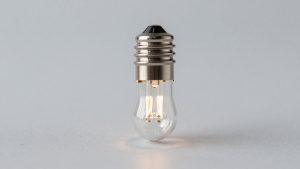
A headlamp is the smallest piece of gear that changes a camping trip the most, freeing both hands for pitching a tent after dark, cooking dinner, and walking to the bathroom at 2 a.m. The good news: $50 buys a genuinely good headlamp in November 2026 — rechargeable, waterproof, with a red light, from a real brand. The bad news: the most famous headlamp in this category quietly rose above $50 at list price, and no-name listings promising 50,000 lumens for $10 are lying. This guide names eight real headlamps with verified prices and says plainly which fit the budget.
As an Amazon Associate, we earn from qualifying purchases made through links on this page, at no extra cost to you.
Quick Picks: The 8 Best Camping Headlamps Under $50
| Headlamp | Best For | Max Lumens | Power | Weight | Price |
|---|---|---|---|---|---|
| Black Diamond Spot 400-R | Best overall | 400 | USB-C rechargeable | 2.6 oz | $49.95 |
| Black Diamond Spot 400 | Best AAA headlamp | 400 | 3 AAA | 3.0 oz | $38.97–$47.96 |
| Petzl Tikka 350 | Best classic | 350 | 3 AAA | 3.3 oz | $34.95 |
| Petzl Tikkina 300 | Best budget | 300 | 3 AAA | 3.2 oz | $19.95 |
| Nitecore NU25 UL | Best ultralight | 400 | USB-C rechargeable | 1.6 oz | $35.95 |
| BioLite HeadLamp 325 | Best comfort | 325 | USB-C rechargeable | 1.8 oz | $39.99 |
| Black Diamond Astro 300 | Best simple pick | 300 | 3 AAA | 1.9 oz | $24.95 |
| Fenix HL12R V2.0 | Best for running | 500 | USB-C rechargeable | 2.1 oz | $44.95 |
Our Top Pick: Black Diamond Spot 400-R
The Black Diamond Spot 400-R is the best camping headlamp under $50 because it gives you everything at once: 400 lumens, a USB-C rechargeable battery, a red light, a lock mode, and an IPX8 waterproof rating — for $49.95 at list price, which fits this guide by exactly five cents.
The 400-lumen beam reaches 100 meters. The red light preserves night vision and attracts fewer bugs than white light. The lock mode stops the lamp from switching on inside your pack and draining the battery. At 2.6 ounces it is light enough to forget, and IPX8 means it survives a drop in a stream.
The honest caveat is runtime. Like every rechargeable headlamp, the Spot 400-R delivers its headline 400 lumens for a short burst, then steps down to a lower, sustainable brightness. On low it runs well over 100 hours; on high all night, you will need to recharge. The other caveat is that there is no AAA fallback: when the battery dies, you recharge it or you are in the dark. For most campers that is a fair trade for never buying batteries again.
Best AAA Headlamp: Black Diamond Spot 400
The Black Diamond Spot 400 is the AAA-powered twin of our top pick, and the one we would buy for camping somewhere without reliable charging. It has the same 400-lumen output, red light, IPX8 waterproofing, and lock mode, running on three AAA batteries.
Here is the honest-budget problem: the Spot 400’s list price rose to $59.95 at Black Diamond’s own store in November 2026, so it does not fit a $50 budget at full price. It does fit at real street prices — our catalog search found it at $47.96 and $38.97 from authorized retailers — but you have to shop around instead of buying at the brand’s store.
The Spot 400 also has a hidden cost the 400-R does not. Black Diamond sells a rechargeable BD 1500 battery for $24.95 and a charger for another $24.95, or both together for $44.95. With the bundle, the rechargeable Spot 400 setup costs $104.90 — more than double the budget. The 400-R, with the battery built in, costs $49.95.
Best Classic: Petzl Tikka 350
The Petzl Tikka is the headlamp that defined the category, and the current Tikka 350 is the best version of it yet. It puts out 350 lumens, runs on three AAA batteries (included), weighs 3.3 ounces, and costs $34.95 at authorized retailers. It has a red light, a flood beam, and Petzl’s famously comfortable headband.
What the Tikka does not have is a rechargeable battery in the box. Petzl sells its CORE rechargeable battery separately for $34.95, which would push the total to $69.90 — well over budget. Its other weakness is IPX4: rain, not submersion. For river crossings, pick the Spot 400-R.
The Tikka’s real strength is its beam. Petzl’s wide, even flood is the most pleasant light here for cooking and reading.
Best Budget: Petzl Tikkina 300
The Petzl Tikkina 300 is the cheapest headlamp in this guide we would actually recommend, at $19.95 from Petzl’s own store. It delivers 300 lumens from three AAA batteries, weighs 3.2 ounces, and does the two jobs that matter most at camp: it lights up a tent and it lights up a trail.
The Tikkina is the right buy in two situations. First, as a first headlamp for a casual camper who goes out a few weekends a year. Second, as a spare or glove-box light that lives in the car for emergencies.
The honest limitation is brightness at distance. Three hundred lumens is plenty inside a campsite, but on a dark trail the Tikkina’s beam runs out sooner than the 400-lumen picks. It is also AAA-only, so over a season of heavy use you will spend $10 to $15 on batteries.
Best Ultralight: Nitecore NU25 UL
The Nitecore NU25 UL is the headlamp thru-hikers obsess over, and it is easy to see why. It weighs 1.6 ounces — about half the Spot 400-R — puts out 400 lumens, charges over USB-C, and costs $35.95 to $36.95. It has a red light, a high-CRI auxiliary light for reading maps and cooking, and a lock mode.
The NU25 UL’s secret is that it is a stripped-down version of the standard NU25. The trade-off: IP66 handles heavy rain but not submersion, the thin headband is less comfortable for all-night wear, and the small button takes practice to find in the dark.
The NU25 family has one more trap to know about. At least three versions are on sale — the original NU25, the NU25 UL, and the newer NU25 MCT at $39.95 — and they look almost identical in photos.
Best Comfort: BioLite HeadLamp 325
The BioLite HeadLamp 325 is the most comfortable headlamp in this guide, and the difference is obvious the moment you put it on. Instead of a bulky front housing, BioLite spreads the battery across the front in a flat, low-profile band that sits flush against your forehead. At 1.8 ounces it is the second-lightest rechargeable pick here, and it never bounces or slides.
The HeadLamp 325 puts out 325 lumens, charges over USB-C, and costs $39.99. It has a red light, a lock mode, and dimming for reading in a tent without waking anyone. The downside is water resistance: the HeadLamp 325 is rated IPX4, which handles rain but not a dunk in the river. Its sibling, the BioLite Range 300, costs $39.95 and upgrades the rating to IP67, but drops the red light.
The slim battery runs out faster on high than the Spot 400-R, so use medium for walking and low for camp chores.
Best Simple Pick: Black Diamond Astro 300
The Black Diamond Astro 300 is the headlamp for people who do not want to think about headlamps. It costs $24.95, puts out 300 lumens, runs on three AAA batteries, and weighs 1.9 ounces. It has a dimming mode and a strobe, a simple single-button interface, and nothing else to learn.
The Astro 300’s simplicity is also its limitation. It has no red light, no lock mode, and no rechargeable option, and its IPX4 rating means rain only. For a car camper, it is all you need, and at $24.95 it leaves half the budget untouched.
One warning: the Astro 300 has a rechargeable sibling, the Astro 300-R, which costs $44.95. If a listing shows a price near $45, check which version it is before you buy.
Best for Running: Fenix HL12R V2.0
The Fenix HL12R V2.0 is the brightest rechargeable headlamp in this guide, at 500 lumens for $44.95. It charges over USB-C, weighs 2.1 ounces, and runs on a built-in 950 mAh battery. The HL12R’s beam is cleaner and throws farther than any other lamp here — exactly what a trail runner needs at 5 a.m.
For pure camping it is slightly over-specced — 500 lumens is more than a campsite needs and there is no red light — but for campers who also run or hike before dawn, it is the best pick under $50.
Its closest rival is the Nitecore NU30, also 500 lumens for $34.95 — cheaper and just as bright, but heavier, with a weaker warranty.
How to Choose a Camping Headlamp
Start with power. Rechargeable lamps like the Spot 400-R and the NU25 UL cost nothing to run — best if you camp near a car or carry a power bank. AAA lamps like the Tikka and the Astro 300 suit remote trips, where spare batteries weigh less than a power bank.
Next, look at lumens honestly. Three hundred lumens is enough for camp chores, cooking, and reading. Four hundred adds useful reach on a trail. Five hundred is for running and route-finding, not for sitting around a fire. More lumens also means shorter runtime, because every lamp here steps down from maximum brightness after a few minutes. Check the low and medium runtimes, not the headline number.
Weight matters too: a 3-ounce lamp slides and presses after four hours, while the 1.6-ounce NU25 UL disappears. For long evenings, prioritize weight over lumens.
Waterproofing is measured on the IPX scale. IPX4 means splash-proof: fine in rain, not fine in a river. IPX6 means it survives powerful water jets. IPX7 means 30 minutes under a meter; IPX8, which only the Spot 400-R has here, means deeper and longer.
Finally, check for a red light and a lock mode. The red light preserves night vision and disturbs wildlife and campmates less, and it is the single most useful feature after brightness itself. The lock mode stops the lamp from turning on in your bag and arriving dead. That is why the Spot 400-R, at $49.95 with both included, is our top pick.
The Honest $50 Budget: What Fits and What Doesn’t
Fifty dollars buys a very good headlamp in November 2026, but it does not buy the headlamp most roundups call the best overall. The Petzl Actik Core, the winner of nearly every 2026 headlamp review, costs $87.95 — almost $38 over this budget. It is a superb lamp, but it is not a $50 lamp, and no sale price we found brings it under $50.
The same is true of the BioLite HeadLamp 425 (about $60), BioLite Range 500 ($69.95), Black Diamond Storm 500-R ($64.95), and Fenix HM65R ($99.95). All four are excellent. None fits this guide.
The more useful question is what $50 actually buys, and the answer is encouraging. It buys the rechargeable Spot 400-R with $0.05 to spare.
The real total is what matters, not the sticker price. A $19.95 Tikkina costs about $10 a year in AAAs, so after two years it has cost $40; a $49.95 rechargeable Spot 400-R costs nothing after the first charge.
Traps to Avoid When Buying a Headlamp Under $50
The biggest trap is the lumen lie. Listings promising 10,000, 50,000, or even 100,000 lumens for $9.79 are selling a cheap LED, a thin headband, and a made-up number. A real 400-lumen headlamp from Black Diamond, Petzl, or Nitecore costs $25 to $50 — ten times the brightness for a fifth of the price is a lie.
The second trap is the model-name game. Black Diamond sells the Spot 400, the Spot 400-R, the Astro 300, and the Astro 300-R, with prices from $24.95 to $59.95. Petzl sells the Tikkina, the Tikka, and the Actik Core, from $19.95 to $87.95. Nitecore sells the NU25, the NU25 UL, and the NU25 MCT.
The third trap is the missing battery. The Spot 400-R includes its rechargeable battery, and the Spot 400 includes three AAAs. But some marketplace listings sell the lamp alone, without batteries, for a few dollars less — and a headlamp without a battery is a paperweight. Read the “what’s in the box” section before you check out.
The fourth trap is the color tax: several lamps here cost $10 to $20 more in one color than another, for the identical lamp. Finally, counterfeit Petzl and Black Diamond headlamps appear on marketplace sites every year at 30 to 50 percent below the real price, with stolen photos. Buy from the brand’s store or an authorized retailer: a $15 “Petzl Actik Core” is a fake.
Frequently Asked Questions
How many lumens do I need for camping?
For camp chores, cooking, and reading, 100 to 300 lumens is plenty. For walking a trail at night, 300 to 400 lumens is the sweet spot. Most campers use low or medium for 90 percent of the night, so low-mode runtime matters more than the maximum lumen number.
Are rechargeable headlamps better than AAA headlamps?
For most campers, yes. A rechargeable headlamp costs nothing to run, charges from the same power bank as your phone, and pays for itself within a season of regular use. AAA headlamps are better for remote trips without charging, for emergency kits that sit unused for months, and for anyone who wants spare batteries instead of a power bank.
What does IPX8 mean on a headlamp?
IPX8 is the highest common waterproof rating for headlamps. It means the lamp can be submerged in water deeper than one meter for an extended period without failing. IPX7 means 30 minutes at one meter. In this guide, only the Black Diamond Spot 400-R is rated IPX8.
Why does the Black Diamond Spot 400 cost $60 at one store and $39 at another?
Because Black Diamond raised the Spot 400’s list price to $59.95 in 2026, while authorized retailers are still selling through older stock at $38.97 to $47.96. The lamp is identical; only the price differs.
Can I use a headlamp in the rain?
Yes, as long as it is rated IPX4 or better, which every pick in this guide is. IPX4 handles rain and splashes. After a wet trip, dry the lamp and the USB port before charging, and store AAA lamps with the battery compartment open. Never trust a no-name headlamp’s waterproof claim without an IPX rating to back it up.
FAQ
How many lumens do I need for camping?
Are rechargeable headlamps better than AAA headlamps?
What does IPX8 mean on a headlamp?
Why does the Black Diamond Spot 400 cost $60 at one store and $39 at another?
Can I use a headlamp in the rain?
More from Amazon
Programs that pair well with the guide above. Offers and eligibility are set by Amazon and may change.
Free shipping on eligible items, Prime Video and more. Eligible new members can start with a free trial.
Start a Prime free trialA Prime membership for ages 18-24 with a trial period. Eligibility is set by Amazon.
See Prime for Young AdultsAudiobooks and podcasts to listen to on the go. Eligible new members can start with a free trial.
Try Audible freeAd-free music streaming. Eligible new subscribers can start with a free trial.
Try Music Unlimited freeAs an Amazon Associate we earn from qualifying purchases.