
Key takeaways
Best headlamp for hard hats means a light that clips on and stays put, throws a clean beam where you are looking, and lasts a full shift without a recharge. A strap light stretched over a smooth helmet tends to slip the moment you look down, so purpose-built clip-on and bracket-mounted work lights keep tradespeople productive in dim job sites.
Our top picks



As an Amazon Associate we earn from qualifying purchases at no extra cost to you.
As an Amazon Associate we earn from qualifying purchases.
🛒 Best Price Today on Amazon
Prime members get fast, free shipping on everything above, plus member-only deals. New members get a 30-day free trial — cancel anytime.
Start 30-Day Prime Free Trial →See Today’s Amazon DealsHow to Choose the Best Headlamp for Hard Hats
Work lighting has different priorities than trail lighting: secure mounting, all-shift runtime, and a beam tuned for close tasks. The best headlamp for hard hats has to survive drops, grip a helmet that a strap cannot, and stay usable with gloves on, so weigh these points before you buy.
Mounting Style and Hard Hat Compatibility
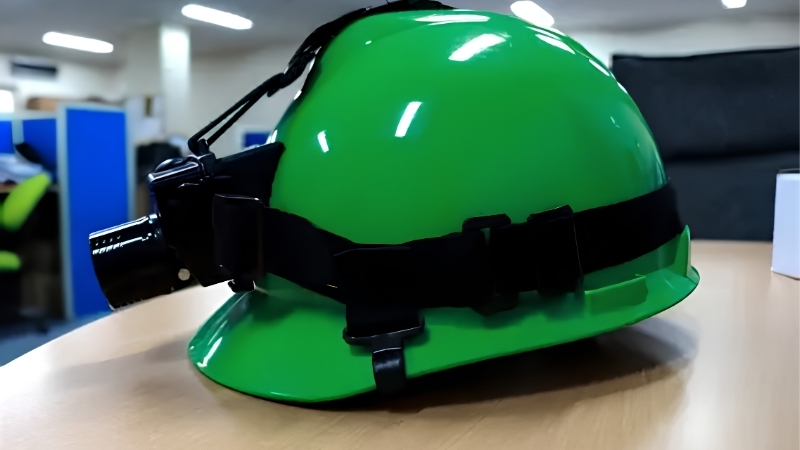
The mount is the whole ballgame here. Universal clips slide over most standard hard hat brims and hold far better than an elastic band on slick plastic, while ecosystem lights such as Klein’s helmet-specific units snap into matching hard hats like a factory part. Decide whether you want a light for any helmet or one tuned to yours.
Clip security is worth testing in practice. A good clip stays locked when you tilt your head down to work overhead or crouch into a crawlspace, which is exactly when a strap light slides off. If you already own a strap headlamp, aftermarket silicone hard hat bands add grip, but a true clip-on is more dependable for daily trade work.
Brightness and Beam Pattern for Work
For the best headlamp for hard hats, output needs differ from the outdoors. For most indoor and evening job-site tasks, 300 to 600 lumens is the sweet spot, giving you enough light to work without washing out a nearby wall. Only rescue, mining, or unlit open-air sites really call for a thousand-plus lumens, and that brightness costs you runtime and adds weight.
Beam pattern shapes usefulness. A wide flood is ideal for close-up wiring, plumbing, and panel work because it lights an even field without harsh hot spots, while a spot helps when you need to see across a large space. Many work lights offer both a spot and flood mode so you can switch as the task changes.
Runtime, Charging, and Battery Gauge
A work light has to outlast your shift. Rechargeable lithium units are the clear winner on the job because you top them up overnight from a USB port you already have, and models built on tool-brand battery systems let you share packs across your other gear. Alkaline lights still suit emergency kits that sit unused for months.
A visible battery gauge is more valuable than it sounds. An onboard fuel indicator lets you check remaining charge before you climb a ladder or enter a crawlspace, avoiding a mid-shift blackout at the worst moment. Fast USB-C charging and a light that keeps running while plugged in are welcome bonuses for busy crews.
Durability and Timing Your Purchase
Job sites are hard on gear, so impact-resistant housings and at least a water-resistant rating are worth prioritizing; a light rated IP54 or better handles dust, splashes, and the occasional drop from a ladder. Detachable heads that double as a magnetic task light add flexibility when you set the helmet aside.
On timing, work-lighting prices have edged up alongside the broader tools category as tariffs raise component costs, and back-to-work and fall project season keep demand steady. Buying a proven light now, before seasonal promotions thin out popular stock, is a sensible way to lock in the model and price you want.
Top Picks for the Best Headlamp for Hard Hats
These best headlamp for hard hats picks cover universal clip-ons, tool-ecosystem lights, and slim low-profile options for tradespeople who want an open field of view. Each entry lists the ideal user and an honest drawback, and the table gives a quick brightness, battery, and mount comparison.
| Model | Max Lumens | Power | Mount |
|---|---|---|---|
| Milwaukee 2163-21 RedLithium USB | 600 | Rechargeable | Clip-on / strap |
| Klein Tools 56062 | 300 | Rechargeable | Klein helmet mount |
| Milwaukee 2111-21 | 450 | Rechargeable | Clip-on / strap |
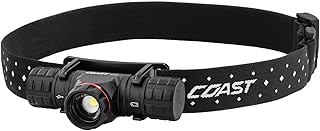
| Coast XPH34R | Dual power | Rechargeable / AAA | Strap with clips |
| Milwaukee 2115 Low-Profile | 600 | Rechargeable | Slim clip-on |
Milwaukee 2163-21 RedLithium USB
The 2163-21 is the go-to universal work light for tradespeople who want brightness and a fuel gauge. It clips to most standard hard hats, puts out up to 600 lumens across spot and flood modes, and runs on a rechargeable RedLithium USB pack with an LED gauge so you always know your remaining charge. It suits electricians, HVAC techs, and general contractors alike.
It is pricier than a basic strap light, and the clip system, while secure, adds a little bulk over the brim. Neither undercuts its reliability on a daily job site. As a versatile, bright, universally mountable pick, it is a repeat favorite among crews.
Klein Tools 56062
Klein’s 56062 is the answer if you run Klein hard hats and want a light that integrates like a factory option. It snaps directly into compatible helmets for a rock-solid mount, delivers 300 lumens across three modes, and detaches with a built-in magnet to serve as a standalone task light. The onboard battery gauge is a practical touch.
The catch is the ecosystem lock-in; it shines on Klein helmets but is less ideal on other brands, and 300 lumens is modest for large open spaces. For close electrical and mechanical work on the matching hard hat, though, it is hard to beat for security and convenience.
Milwaukee 2111-21
The 2111-21 is the budget-friendly Milwaukee option for workers who want a dependable rechargeable light without the top-tier price. It offers up to 450 lumens, several operating modes, and a head that pivots to multiple positions so you can aim the beam precisely at the task. The clips hold it steady on standard hard hats.
It is dimmer than the flagship 600-lumen units and lacks some of their premium features, so heavy-duty users may want more. For everyday trade work and general maintenance, its balance of brightness, runtime, and price makes it an easy recommendation.
Coast XPH34R
The Coast XPH34R stands out for dual-power flexibility, running on either its rechargeable pack or standard AAA cells. That makes it a smart pick for crews who cannot always guarantee a charge, since a dead battery means a quick swap rather than downtime. It pairs a pure flood and a spot beam for versatile task lighting.
The strap-with-clips design is a touch less secure than a dedicated bracket on very smooth helmets, and it is bulkier than slim clip-ons. The trade-off is genuine backup-power peace of mind, which many field workers value above a lower profile.
Milwaukee 2115 Low-Profile
The 2115 targets tradespeople who hate a bulky light crowding their field of view. At roughly an inch thick, it keeps the housing slim by routing power from a rear-mounted battery along the strap, yet still reaches 600 lumens with a wide flood. It is ideal for tight overhead work where a bulky lamp gets in the way.
The rear battery and connecting wire add a small setup step compared with an all-in-one clip, and the slim head offers less throw than a spot-focused unit. For close, unobstructed work in confined spaces, however, that low profile is exactly the point.
Frequently Asked Questions
Workers shopping for the best headlamp for hard hats usually have the same few concerns about mounting, brightness, and battery life. These quick answers cover the essentials.
Will a regular headlamp work on a hard hat?
Technically yes, since many straps stretch over a helmet, but elastic slips on smooth plastic, especially when you look down or move quickly. For occasional use a strap light is fine, ideally with an aftermarket silicone grip band. For daily trade work, a clip-on or bracket-mounted light is far more secure.
How many lumens does a work headlamp need?
Most indoor and evening job-site tasks are well covered by 300 to 600 lumens, which lights your work without harsh glare bouncing back. A thousand lumens or more is worth it only for rescue, mining, or large unlit outdoor sites, and that output shortens runtime and adds weight.
Are rechargeable work headlamps worth it?
For daily use, yes. Rechargeable lights top up overnight from a USB port, cost less to run than disposable batteries, and many share packs with tool-brand ecosystems. Alkaline models still make sense for emergency kits that sit unused for long stretches, since those cells hold charge better in storage.
What waterproof rating should a job-site light have?
Look for at least IP54 to handle dust and splashes, which covers most indoor and general outdoor work. If you regularly work in heavy rain or wet environments, a higher IP67 rating survives brief submersion. Pair the rating with an impact-resistant housing so the light shrugs off drops from a ladder.
See More:
Final Thoughts
The best headlamp for hard hats is the one that mounts securely to your specific helmet, lights your task cleanly, and lasts the full shift on a single charge. Prioritize a dependable clip or bracket, 300 to 600 lumens with a useful beam, and a battery gauge you can trust, and the right hard hat headlamp will pull its weight on every job.



Write Your Review
No reviews yet. Be the first to share your experience!