
Key takeaways
What's inside
Best hiking boots for ankle support matter most on rough, uneven ground and under a loaded pack, where a rolled ankle can end a trip. This guide compares five proven boots by cuff height, stiffness, fit, and traction, so you can find a stable, supportive pair that protects your ankles without feeling like a cast on the trail.
As an Amazon Associate we earn from qualifying purchases at no extra cost to you. Product prices and availability are accurate as of the date shown and are subject to change.


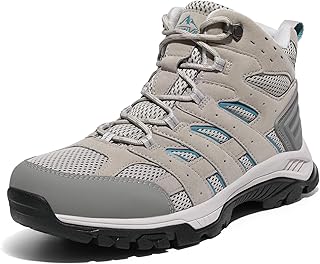


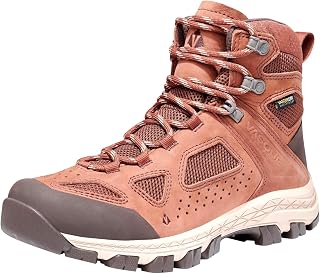


As an Amazon Associate we earn from qualifying purchases at no extra cost to you. Product prices and availability are accurate as of the date shown and are subject to change.
🛒 Best Price Today on Amazon
Prime members get fast, free shipping on everything above, plus member-only deals. New members get a 30-day free trial — cancel anytime.
Start 30-Day Prime Free Trial →See Today’s Amazon DealsHow to Choose the Best Hiking Boots for Ankle Support
Choosing the best hiking boots for ankle support means weighing four things: cuff height, sole stiffness, fit and lacing, and traction. Real support comes from how these work together, so here is how each factor helps keep your ankles stable on the trail.
Cuff Height and Stiffness
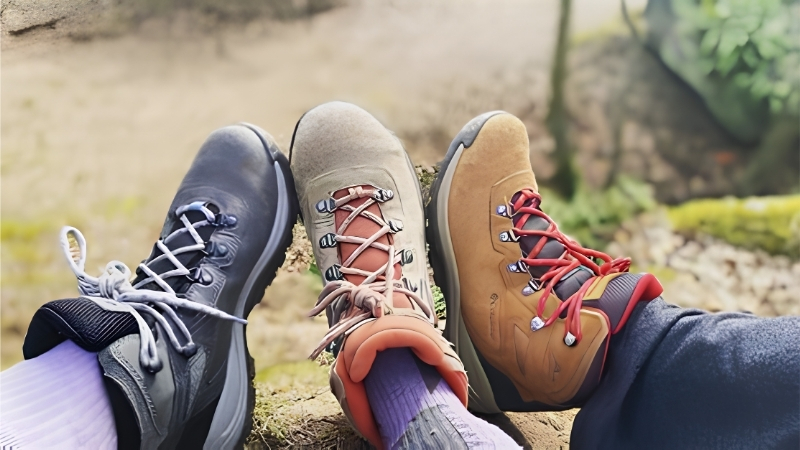
A taller cuff is the foundation of ankle support. A mid or high cut wraps above the ankle bone and limits side-to-side roll on uneven ground, while a stiffer sole and shank resist twisting underfoot, so your foot tracks straight even across roots, rocks, and off-camber trail.
There is a trade-off to weigh. Stiffer, taller boots protect more but flex less and often need a break-in, while softer boots feel comfortable sooner but offer less lockdown. Match the stiffness to your loads: heavy packs and rugged terrain reward more structure than easy day hikes do.
Fit and Lacing Lockdown
Support depends on a secure fit. A boot that holds your heel in place stops your foot sliding forward and rolling, so look for a snug heel pocket, a locking lace hook at the ankle, and enough eyelets to dial in tension across the instep for a genuinely stable feel.
Width and toe box matter too. A boot that is too narrow pinches, while one too roomy lets your foot shift, undermining support. Some brands run narrow with a snug toe box and others fit roomy, and several offer multiple widths, so choose the fit that locks your foot without cramping it.
Traction and Protection
Good traction prevents the slips that cause ankle rolls. Deep, grippy lugs in quality rubber bite on loose dirt, mud, and wet rock, and a rubber toe cap plus a protective rand shield your feet from trail hazards, adding to the stable, sure-footed feel that supportive boots deliver.
Waterproofing rounds out protection. A Gore-Tex or proprietary membrane keeps feet dry in wet grass, stream crossings, and rain, though it traps some heat. Dry feet are more comfortable and less prone to blisters over long, supportive miles, so weigh waterproofing against breathability for your climate.
Prices and the Best Time to Buy
Prices are climbing. New tariffs have pushed outdoor-gear and footwear costs up roughly 7.7 percent, with technical boots feeling it, so a pair that once sat near fifty dollars can now start in the low sixties, and premium supportive boots climb higher at full retail.
Timing helps you save. The Black Friday and Cyber Monday sales in late November, plus end-of-season clearances, are when the best hiking boots for ankle support deals appear. Buying in those windows can drop a premium supportive boot into fairer territory.
If a boot already fits your hiking, buying earlier locks in stock and today’s price before demand and further tariff increases push it higher. Always break in supportive boots on short walks before a big trip, since stiffer, structured boots need time to soften and mold to your feet.
Top Picks: The Best Hiking Boots for Ankle Support Right Now
These five boots span featherweight support to burly backpacking structure. The table lists the headline specs, and the notes below explain who each one suits and where it compromises on weight, fit, or break-in.
| Model | Cut | Waterproofing | Standout | Best For |
|---|---|---|---|---|
| Salomon Quest 4 GTX | High | Gore-Tex | Tall supportive cuff | Best overall |
| Lowa Renegade GTX Mid | Mid | Gore-Tex | Stiff, stable build | All-around support |
| La Sportiva Nucleo High II GTX | High | Gore-Tex Surround | Support at low weight | Lightweight support |
| KEEN Targhee IV Mid | Mid | KEEN.DRY | Roomy toe box | Wide feet |
| Merrell Moab 3 Mid WP | Mid | M Select Dry | Cushioned, easy break-in | Best value |
Salomon Quest 4 GTX – Best Overall
For hikers who want maximum ankle support, this is the standout. The Quest 4 GTX pairs a tall, structured cuff with a supportive chassis and Gore-Tex waterproofing, cradling the ankle for heavy-pack backpacking on rough terrain, and it comes in multiple widths so you can dial in a locked-down, stable fit.
The trade-offs are honest: the toe box runs narrow, so wide-footed hikers should size carefully, and at roughly two and a half pounds it is a substantial boot with some quality-control variability reported since production moved. But its blend of tall support, stiffness, and grip is hard to beat under load.
Details reward serious miles: the supportive midsole resists twisting on uneven ground, the aggressive Contagrip outsole bites on loose and wet surfaces, and the secure lacing locks the heel. For backpackers who prioritize ankle protection over low weight, it is the most supportive pick here.
Lowa Renegade GTX Mid – Best All-Around Support
Hikers who want stability with everyday comfort get the most here. The Renegade GTX Mid pairs a stiff, supportive build with a nubuck leather upper, a grippy Vibram Evo outsole, and Gore-Tex waterproofing, and it comes in narrow, medium, and wide, so most feet can find a secure, well-supported fit.
Its trade-offs are a firm sole that needs a genuine break-in and a premium price near two hundred forty dollars. But this German-built classic has earned its reputation since 1997 for stable, durable support that carries a pack confidently, making it a superb all-around supportive boot for years of hard use.
Thoughtful details seal it: the stiff midsole shrugs off twisting on rocky trail, the supportive cuff steadies the ankle, and the quality leather molds to your foot over time. For hikers who want lasting, all-around ankle support in a refined package, it is a benchmark boot.
La Sportiva Nucleo High II GTX – Best Lightweight Support
Hikers who want support without bulk get the most from this one. The Nucleo High II GTX offers the highest ankle support among lightweight boots, pairing a tall cut with soft nubuck leather, breathable Gore-Tex Surround waterproofing, and grippy Vibram outsoles that excel on rocky terrain, all at a lighter weight than typical backpacking boots.
Its honest caveats are a narrow fit that often means sizing up, though a wide version now exists. But for hikers with ankle concerns or backpackers who want real support while saving weight, its rare mix of a high, supportive cut and low mass makes it a standout, breathable supportive boot.
KEEN Targhee IV Mid – Best for Wide Feet
Wide-footed hikers who need support get the most here. The Targhee IV Mid pairs a supportive mid cut with KEEN’s signature roomy toe box, KEEN.DRY waterproofing, a PFAS-free water-repellent finish, and grippy lugs, delivering stable ankle support without the pinch that narrower supportive boots inflict on broad feet.
Its trade-offs are a bulkier look and a fit that not everyone finds comfortable right out of the box. But for hikers who need genuine ankle support and room for wide feet at the same time, its combination of a secure cuff and generous toe box makes it a rare and welcome option.
Merrell Moab 3 Mid WP – Best Value
Budget-minded hikers who still want support get the most from this one. The Moab 3 Mid WP delivers ample cushioning around the ankle and more arch support than most, in a waterproof mid boot that breaks in easily and offers a roomy toe box, all at a friendly price that has made it a perennial best-seller.
Its honest limits are a build stiffer than some rivals yet less structured than burly backpacking boots, and a Vibram TC5+ outsole that can feel less sure on wet slickrock. But for reliable, comfortable ankle support on day hikes and lighter loads at a great value, it is the smart budget pick.
Frequently Asked Questions
Still weighing the best hiking boots for ankle support for your trails? These common questions cover cut height, whether boots prevent sprains, break-in, and fit.
Do high-cut boots really help ankle support?
Yes, meaningfully. A taller cuff wraps above the ankle and limits side-to-side roll on uneven ground, while a stiff sole resists twisting underfoot. Together they steady the ankle under load, which is why backpackers on rough terrain favor mid and high-cut boots over low shoes.
Can hiking boots prevent ankle sprains?
They reduce the risk but do not eliminate it. The best hiking boots for ankle support limit rolling and improve stability, especially with a pack, but strong ankles, careful footing, and good traction matter too. Think of supportive boots as one layer of protection alongside trekking poles and conditioning.
Do supportive boots need breaking in?
Usually, yes. Stiffer, structured boots that offer the most support also flex less at first, so wear them on short walks before a big trip to let the sole soften and the upper mold to your foot. Skipping break-in on a stiff supportive boot is a common cause of blisters.
How should supportive hiking boots fit?
Snug but not tight, with a locked-down heel. Your heel should not lift, your toes need room to wiggle without sliding forward on descents, and the ankle lace hook should let you cinch the cuff securely. A boot that holds your foot in place is what actually delivers support.
See More:
- Double sleeping bag best
- Best brand of sleeping bag
- Best low cost hiking boots
- Best winter hiking boots for men
- Best bargain hiking boots
Final Thoughts
The best hiking boots for ankle support depend on your loads and feet: the Salomon Quest 4 GTX for heavy-pack support, the Lowa Renegade GTX Mid for all-around stability, the La Sportiva Nucleo High II GTX for lightweight support, the KEEN Targhee IV for wide feet, and the Merrell Moab 3 Mid WP for value. With footwear prices rising under new tariffs, buying the best hiking boots for ankle support early or during a known sale window is the surest way to protect your ankles on the trail at a fair price.
Write Your Review
No reviews yet. Be the first to share your experience!