
Key takeaways
Best winter hiking boots for men share three things: real insulation, a waterproof build, and outsoles that bite on packed snow. This guide compares five proven models by insulation grams, weight, and traction, so you can match warmth to your coldest hikes without buying more boot, or more weight, than your trails actually demand.
Our top picks

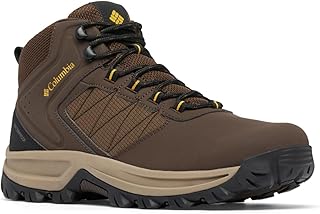
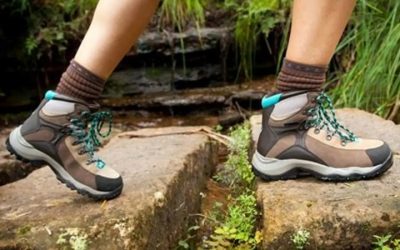
 Columbia Men's Newton Ridge Plus Ii Waterproof
Lightweight durable midsole adds long-lasting cushioning
Waterproof construction helps keep feet dry
Advanced traction outsole aids grip on trails
Listing does not specify upper material composition
Available only in one shaft height option




As an Amazon Associate we earn from qualifying purchases at no extra cost to you.
As an Amazon Associate we earn from qualifying purchases.
🛒 Best Price Today on Amazon
Prime members get fast, free shipping on everything above, plus member-only deals. New members get a 30-day free trial — cancel anytime.
Start 30-Day Prime Free Trial →See Today’s Amazon DealsHow to Choose the Best Winter Hiking Boots for Men
Choosing the best winter hiking boots for men comes down to four questions: how cold you hike, how much you carry, how grippy the outsole is, and what you pay in a rising market. Here is how each factor plays out on snow and ice.
Insulation: 200g Versus 400g
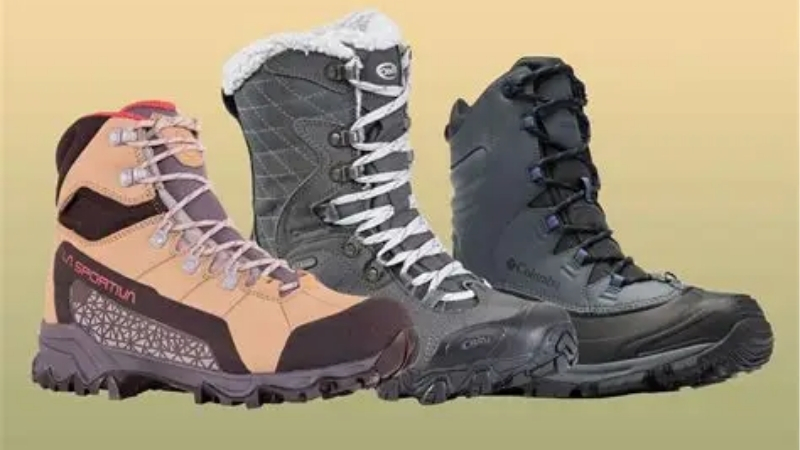
Insulation is measured in grams, and it describes thickness rather than actual weight. A 200g boot such as the KEEN Revel IV Mid Polar or Columbia Bugaboot III keeps active feet warm down to roughly zero to ten degrees Fahrenheit, which covers most day hikes.
Step below that, add long stops, or run cold, and you want 400g. The Oboz Bridger and Merrell Moab 3 Thermo Tall use 400g fills for deep cold. The trade is simple: more grams means more warmth but a heavier, stiffer, less breathable boot that can overheat on climbs.
Waterproofing and Traction on Snow
Snow is just cold water, so a sealed membrane matters. Every boot here is waterproof, but leather uppers like the Bugaboot resist slush better than mostly textile builds, while breathable membranes like Gore-Tex shed sweat faster on hard climbs.
Traction is the other half. Deep, widely spaced lugs clear snow instead of packing it, and that is what keeps you upright. Remember that no rubber grips glare ice, though, so plan on carrying microspikes and treat aggressive lugs as your everyday snow grip, not an ice solution.
Weight, Fit, and Warm-Sock Room
Winter boots run heavy. The Columbia Bugaboot III weighs about 26 ounces per boot in a men’s nine, well above a summer hiker, and that heft tires legs on long days. Lighter options like the Salomon X Ultra 4 Mid trade some warmth for a faster, more natural stride.
Fit needs thick-sock room. Several winter models, including the KEEN Revel IV and some Salomon boots, run a quarter to a half size small, so sizing up preserves the toe space that keeps blood flowing and feet warm. Cramped toes get cold no matter how much insulation you buy.
Winter Prices and the Best Time to Buy
Prices are climbing. New tariffs have raised outdoor gear costs by roughly 7.7 percent across the board, with technical materials such as high-tenacity nylon and specialty foams up another 10 to 15 percent, so most brands now treat listed footwear prices as estimates.
Timing softens the blow. Insulated winter boots sell out fastest once cold-weather and hunting demand peaks from September through November, and the deepest discounts land around Black Friday and Cyber Monday in late November. That is when the best winter hiking boots for men usually hit their lowest prices.
If you already know your size and warmth needs, buying early in the season locks in stock and today’s price before demand and further tariff increases push costs up. Waiting for a boot to reappear in your size rarely saves money once winter arrives in earnest.
Top Picks: The Best Winter Hiking Boots for Men Right Now
These five boots span light 200g day hikers to 400g deep-cold builds. The table lists the headline specs, and the notes below explain who each pair suits and where it falls short in real winter use.
| Model | Insulation | Waterproof | Weight (pair) | Best For |
|---|---|---|---|---|
| KEEN Revel IV Mid Polar | 200g | KEEN.DRY | ~2 lb 12 oz | Best overall |
| Columbia Bugaboot III | 200g | Omni-Tech | ~3 lb 4 oz | Best value |
| Oboz Bridger 10 Insulated | 400g Thinsulate | B-Dry | ~3 lb 12 oz | Extreme cold |
| Merrell Moab 3 Thermo Tall | 400g PrimaLoft | M Select Dry | ~2 lb 14 oz | Hiker-style warmth |
| Salomon X Ultra 4 Mid GTX | None | Gore-Tex | ~1 lb 14 oz | Fast, light days |
KEEN Revel IV Mid Polar – Best Overall
This is the best winter hiking boots for men choice for hikers who want warmth without bulk. Its 200g KEEN.WARM insulation, made from charcoal and bamboo rather than the usual Thinsulate, is rated for active use down to about minus twenty-five degrees, and the KEEN.DRY membrane keeps slush out. A signature wide toe box leaves room for heavy socks.
The trade-offs are real. The Revel IV runs a quarter to a half size small, so order up, and some owners report durability concerns over hard seasons of use. A fleece-lined collar and near-zero break-in still make it the most versatile all-around pick here for cold day hikes.
Extra touches help in the field: a beefy toe kick and heel protection handle rougher terrain, a thermal heat-shield insole adds reflected warmth, and the roomy last suits wider feet that struggle in narrow winter boots. It is a boot you can wear out of the box.
Columbia Bugaboot III – Best Value
Budget-minded winter hikers get the most boot per dollar here. Around 120 dollars, the Bugaboot III packs 200g of synthetic insulation, a waterproof leather upper, an Omni-Heat reflective lining, and a tall seven-inch shaft. Its grippy outsole handles icy sidewalks, snowy trails, and driveways with real confidence.
It is a heavy, airtight boot, though. At roughly 26 ounces per boot it weighs well above average, breathability is essentially zero, and the flat insole does not suit high arches. For short-to-medium hikes and cold-weather chores, few boots match its warmth-for-price.
Comfort out of the box is a real strength: plush synthetic and fleece lining hugs the foot and molds over time, while thick rubber around the toe blocks cold and moisture. If you value warmth and traction over weight, it is hard to beat at this price.
Oboz Bridger 10 Insulated – Best for Extreme Cold
When temperatures drop hard, the Bridger 10 delivers. It uses 400g Thinsulate insulation, a waterproof B-Dry membrane, synthetic-leather uppers with a beefy toe cap, a snowshoe-friendly heel cup, and a wool-covered reflective insole. Aggressive lugs and a nylon shank make it a true all-day mountain boot in snow.
The height that adds warmth also limits ankle flex and ground feel, and the boot is heavy, so it is overkill for mild commutes. It is available in wide sizes, which many deep-winter boots skip. For long, frigid hikes and 4,000-footers, it is the warmest realistic pick here.
Merrell Moab 3 Thermo Tall – Best Hiker-Style Warmth
Hikers who want winter warmth in a familiar hiking-boot feel should look here. The Moab 3 Thermo Tall carries 400g PrimaLoft Gold Eco insulation and a waterproof membrane, with a soft fleece cuff and tongue, yet it fits and flexes like a regular Merrell hiker rather than a stiff, calf-high pac boot.
Its limits are honest. The boot sits lower than dedicated tall winter boots, so deep snow can top it without gaiters, and Merrell’s marketed IceTrek ice grip is modest, real ice still needs microspikes. For active, cold hiking where comfort matters, it is a standout.
Salomon X Ultra 4 Mid GTX – Best for Fast, Light Days
Fast hikers who run warm get the most from this one. The X Ultra 4 Mid GTX has no added insulation but pairs a Gore-Tex membrane with a light 1 lb 14 oz build, an 11mm drop, and 4.5mm lugs, making it nimble and stable for cold, dry day hikes where you keep moving.
Without insulation it is the wrong tool for standing around or subzero cold, and the midsole stiffens noticeably below freezing, which can feel jarring on long descents. Paired with a thick sock for brisk, cold-but-not-frigid outings, though, it is the most agile boot in this lineup.
Frequently Asked Questions
Still weighing the best winter hiking boots for men for your climate? These common questions cover insulation levels, ice traction, sizing, and whether three-season boots can stretch into winter.
How much insulation do I need for winter hiking?
For active day hikes down to roughly zero to ten degrees Fahrenheit, 200g is usually enough because moving generates heat. If you hike in deep cold, stop often, or run cold, step up to 400g. Remember that ratings assume you are moving, not standing still in the wind.
Are insulated boots enough for ice, or do I need traction aids?
No boot outsole grips glare ice reliably, no matter how aggressive the lugs. Deep lugs handle packed snow well, but for icy trails you should carry microspikes or crampons. Treat insulation and lugs as your baseline and add traction devices for genuine ice.
Should I size up in winter hiking boots?
Often yes. Many winter models, including the KEEN Revel IV, run a quarter to a half size small, and you also want room for a thick wool sock. Cramped toes reduce blood flow and get cold faster, so a little extra room actually keeps feet warmer.
Can I use regular hiking boots in winter?
You can in mild, dry cold with heavy socks, but uninsulated boots lose the battle in real winter. Their rubber also stiffens and grips worse in freezing temperatures. For sustained cold and snow, dedicated insulated, waterproof boots are far safer and warmer.
See More:
- Double sleeping bag best
- Best brand of sleeping bag
- Best low cost hiking boots
- Best bargain hiking boots
Final Thoughts
The best winter hiking boots for men depend on where and how cold you hike: the KEEN Revel IV for versatile all-around days, the Columbia Bugaboot III for value, the Oboz Bridger for extreme cold, and the Salomon X Ultra for fast, light miles. With gear prices climbing under new tariffs, buying the right insulated boot early in the season is the surest way to lock in warmth, fit, and today’s price before winter demand peaks.

Write Your Review
No reviews yet. Be the first to share your experience!