
Key takeaways
Best low cost hiking boots prove you do not need to spend 200 dollars to hit the trail dry and supported. This guide compares five budget-friendly models on the specs that matter, waterproofing, weight, outsole grip, and fit, so beginners and weekend hikers can buy smart and hike comfortably without overpaying.
Our top picks


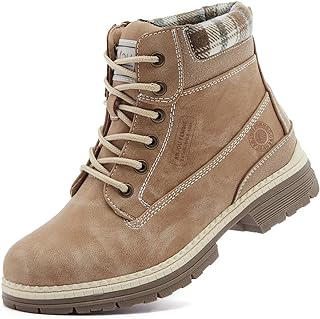
 SHULOOK Men's Waterproof Hiking Boots Non-Slip Lightweight
SL-TEX membrane blocks water while venting vapor
At 1.25 pounds per boot it stays lightweight
Breathable D01 lining helps feet stay comfortable
Synthetic suede upper may be less durable than real leather
Listing does not specify outsole grip or lug depth


As an Amazon Associate we earn from qualifying purchases at no extra cost to you.
As an Amazon Associate we earn from qualifying purchases.
🛒 Best Price Today on Amazon
Prime members get fast, free shipping on everything above, plus member-only deals. New members get a 30-day free trial — cancel anytime.
Start 30-Day Prime Free Trial →See Today’s Amazon DealsHow to Choose the Best Low Cost Hiking Boots
The best low cost hiking boots balance four things every hiker feels within the first mile: dry feet, a secure fit, reliable grip, and a fair price. Here is what to weigh before you buy.
Waterproofing and Breathability
Budget boots keep costs down with proprietary waterproof membranes rather than name-brand ones. Merrell’s in-house membrane and Columbia’s seam-sealed uppers both shed dewy grass, shallow creeks, and rain well, which covers most day-hiking conditions without a premium price tag.
The trade-off is heat. A waterproof membrane traps warmth, so on hot summer trails a vented model like the Merrell Moab Ventilator breathes better. Decide whether your local trails are more often wet or hot before you commit to full waterproofing.
Whichever you choose, a membrane only works while its outer finish sheds water. Budget uppers wet out sooner than premium ones, so reapplying a spray-on waterproofing treatment each season keeps cheaper boots performing closer to their out-of-the-box level.
Fit, Support, and Break-In
Cheap boots vary widely in fit. The Columbia Newton Ridge runs narrow with a high, supportive ankle cuff, while the Nortiv 8 Armadillo runs wide and warm. Trying boots with your actual hiking socks is the single best way to avoid blisters.
Support and break-in also differ. The Merrell Moab 3 is comfortable straight out of the box, whereas leather boots like the Timberland Mt. Maddsen need a few miles to soften. For descents, aim for a thumb’s width of room past your longest toe.
Traction and Outsole Design
Outsole quality is where you feel the price. The Moab 3 uses a genuine Vibram TC5+ sole with deep, rounded lugs for predictable footing on wet rock, the gold standard among budget boots you can actually afford.
Columbia’s Omni-Grip and Nortiv 8’s deep rubber lugs are a clear step below Vibram but still grip loose gravel and packed dirt well on maintained trails. For casual day hiking, that difference rarely matters; for slick granite, spend up for Vibram.
Price, Tariffs, and When to Buy
Footwear prices are climbing. Analysts note that new tariffs can push a 50-dollar boot toward 59 to 64 dollars, and mid-priced pairs from 100 to 300 dollars are drifting up by 20 to 50 dollars as import costs rise across the industry.
Timing softens the blow. Back-to-school demand fills shelves in late summer, hunting season peaks from September through November, and Black Friday brings the year’s deepest boot discounts, when the best low cost hiking boots regularly drop well below list.
If you have a trip planned, buying early secures your size before popular widths sell out and before further tariff increases land. With prices trending up, a proven budget boot bought now often beats a pricier one bought later.
Top Picks: The Best Low Cost Hiking Boots Right Now
These five boots span true sub-100-dollar value, ultra-cheap first pairs, and boots worth stretching for. The table lists the core specs; the notes below explain who each pair fits and where it cuts corners.
| Model | Weight (pair) | Waterproof | Outsole | Best For |
|---|---|---|---|---|
| Columbia Newton Ridge Plus II | ~2 lb | Yes (seam-sealed) | Omni-Grip | True budget |
| Merrell Moab 3 Mid WP | ~2 lb 4 oz | Yes (membrane) | Vibram TC5+ | Overall value |
| Nortiv 8 Armadillo | ~2 lb 4 oz | Yes (membrane) | Rubber deep-lug | Ultra-cheap |
| Timberland Mt. Maddsen | ~2 lb 6 oz | Yes (leather WP) | Rubber lug | Durability |
| Columbia Newton Wander | ~1 lb 15 oz | Water-resistant | Omni-Grip | Lightweight |
Columbia Newton Ridge Plus II – Best True Budget
This is the pick most people mean when they search for the best low cost hiking boots. A long-time Amazon bestseller under 100 dollars, it pairs a waterproof seam-sealed leather and suede upper with a cushioned TechLite midsole and grippy Omni-Grip outsole, plus a high ankle cuff beginners appreciate.
It runs slightly narrow, skips a protective toe cap, and its durability is only average on sharp, rocky terrain. For weekend hikers on maintained trails who want dependable, dry footing without a big outlay, it remains the value benchmark.
The high-cut ankle cuff is a real asset for beginners whose ankle stabilizers are not yet trained, adding support on uneven ground. Pairing it with aftermarket insoles addresses the modest built-in arch support and stretches comfort over longer days.
Merrell Moab 3 Mid Waterproof – Best Overall Value
Nicknamed the mother of all boots, the Moab 3 is the boot most testers name first. Its Vibram TC5+ outsole, cushioned midsole, and waterproof membrane deliver near-zero break-in and confident grip, making it the smart upgrade when you can stretch the budget slightly.
At roughly 120 dollars it sits at the top of the budget bracket, weighs a touch more than synthetic rivals, and runs warm in summer heat. Frequent sales bring it near 100 dollars, and for all-around comfort and traction, it is worth the reach.
The pig-suede and mesh upper balances durability with ventilation, and the padded collar and tongue cushion the ankle. Millions of hikers have logged miles in the Moab line, which is why it anchors nearly every budget and value boot roundup published today.
Nortiv 8 Armadillo – Best Ultra-Cheap
For the smallest possible spend, the Armadillo is a rare cheap boot that actually supports a hiker. Around 50 to 60 dollars, it offers a waterproof membrane, a suede upper, a shock-absorbing EVA midsole, and deep rubber lugs, and it is comfortable straight out of the box.
It runs wide and warm, weighs more than trail runners at about 36 ounces per pair, and its long-term durability trails pricier boots. As a first pair, a backup, or cold and slushy day-use boot, it punches above its price.
Its higher ankle support and thicker build lean toward cool, slushy conditions rather than hot summer trails, where the waterproof membrane traps heat. A fleece-lined variant exists for winter day use, extending the value of an already inexpensive boot.
Timberland Mt. Maddsen – Best for Durability
When you want a budget boot that lasts, the leather Mt. Maddsen leads. Its waterproof full-grain leather upper, gusseted tongue, and rugged rubber lug outsole hold up to rougher use than most sub-100-dollar boots, and the leather molds to your foot over time.
That toughness brings extra weight, a real break-in period, and no toe cap. If you hike often and value a boot that survives seasons of abuse over one that feels perfect on day one, the Maddsen is the durable budget choice.
Columbia Newton Wander – Best Lightweight
For fast, light day hikes, the Newton Wander trims weight to about 1 lb 15 oz per pair. Its suede upper, TechLite foam midsole, and Omni-Grip outsole give it a nimble, sneaker-like feel with a moderate 9.8-millimeter drop that many hikers find natural underfoot.
Built-in arch support is minimal, so hikers who need structure may want aftermarket insoles, and it is not made for heavy backpacking loads. For quick, dry-weather miles on established trails, it is among the lightest options for keeping your feet quick.
Frequently Asked Questions
Shopping for the best low cost hiking boots raises predictable questions about quality, lifespan, and fit. Here are straight answers before you buy.
Are cheap hiking boots actually worth it?
For beginners, weekend hikers, and casual adventurers, yes. Budget boots are lighter, cheaper, and often comfortable out of the box. The trade-offs are shorter lifespan and less protection on rugged terrain, which rarely matter on maintained day-hiking trails.
How long do budget hiking boots last?
Expect a few hundred miles from most sub-100-dollar boots, versus more from premium models. Leather options like the Timberland Mt. Maddsen tend to outlast synthetic pairs. Cleaning off mud and drying them properly after wet hikes noticeably extends their life.
Are low cost hiking boots waterproof?
Many are, using proprietary membranes or sealed leather. The Columbia Newton Ridge, Merrell Moab 3, and Nortiv 8 Armadillo all block shallow water and rain. Reapplying a waterproofing treatment once the finish wears helps keep budget boots sealed over time.
Should I size up in budget hiking boots?
Often a half size, especially with thicker hiking socks and for descents. You want a thumb’s width past your longest toe so feet do not jam downhill. Since fit varies by brand, trying them on with real socks beats guessing from numbers.
See More:
- Double sleeping bag best
- Best brand of sleeping bag
- Best winter hiking boots for men
- Best bargain hiking boots
Final Thoughts
The best low cost hiking boots deliver dry, supported miles without draining your gear budget: the Columbia Newton Ridge for pure value, the Merrell Moab 3 when you can stretch, the Nortiv 8 for the smallest spend, and the Timberland for durability. With tariffs nudging footwear prices up, buying a proven budget boot early in the season is the smart way to save.

Write Your Review
No reviews yet. Be the first to share your experience!