Key takeaways
- Best Overall Value Gas Push: SENIX 21-inch 144cc 3-in-1
- Best Mid-Price Gas Push Alternative: PowerSmart 21-inch 144cc
- Best Self-Propelled Gas Step-Up: BILT HARD 21-inch 201cc self-propelled
- Best Battery Push Mower: Greenworks 40V 16-inch
- Best Larger Battery Option: WORX 40V 17-inch WG745
- Best Premium Lawn Tractor: Husqvarna TS 120 (42-inch)
The best place to buy a lawn mower depends on what you need after the sale: buy from a local dealer if you want setup, service and a brand like Honda, buy from a big home-center store or an online retailer if you want choice and easy returns, and buy used only when you can inspect the engine yourself. A fair price is not one number; it is the cost of a mower with the deck size, drive type and power source that match your yard, compared across at least three sellers on the same day. This guide covers where to shop, how to find military and seasonal discounts without chasing myths, where used, broken and discarded mowers turn up, how to sell one, and which real mowers sit in the common budget tiers. We never quote live prices here because they change daily; we use tier words and tell you how to check.
This guide is research-based. We did not personally use these mowers. It draws on manufacturer information, product listings and general consumer guidance, and it tells you when to check a seller or your owner manual.
Top Picks at a Glance
- Best Overall Value Gas Push: SENIX 21-inch 144cc 3-in-1
- Best Mid-Price Gas Push Alternative: PowerSmart 21-inch 144cc
- Best Self-Propelled Gas Step-Up: BILT HARD 21-inch 201cc self-propelled
- Best Battery Push Mower: Greenworks 40V 16-inch
- Best Larger Battery Option: WORX 40V 17-inch WG745
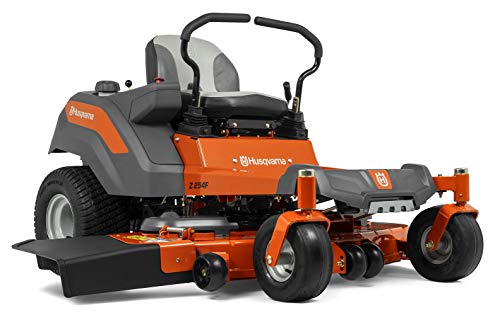
- Best Premium Lawn Tractor: Husqvarna TS 120 (42-inch)
Quick Comparison Table
| Mower | Best for | Key specs | Watch for | Price tier |
|---|---|---|---|---|
| SENIX 21-inch 144cc | Quarter-acre lawns on a budget | 21-inch steel deck; 144cc 4-stroke; 1.25 to 3.75 inch cut; 3-in-1 | Push only; check warranty terms | Budget |
| PowerSmart 21-inch 144cc | Mulching and side discharge | 21-inch; 144cc 4-cycle OHV; 6 cutting heights per listing | Bagging not named in the title | Budget |
| BILT HARD 21-inch 201cc self-propelled | Bigger or sloped lawns | 21-inch; 201cc 4-cycle OHV; 3-in-1; 8 height settings per listing | Heavier; fuel and oil upkeep | Mid-range |
| Greenworks 40V 16-inch | Small lawns, quiet use | 16-inch; 40V; 4.0 Ah battery and charger | Runtime varies | Mid-range |
| WORX WG745 | Up to about a quarter acre per maker | 40V; 17-inch; 2-in-1 mulch and bag; two 4.0 Ah batteries | Battery replacement cost | Mid-range |
| Husqvarna TS 120 (42-inch) | Large lawns, riding comfort | 42-inch deck; 19 HP Briggs engine per listing | Storage space; service needs | Premium |
Where to Buy a Lawn Mower: The Main Options
Local dealers and service shops
A dealer is the best answer to “where can I buy a Honda lawn mower” and to the more general “best place for lawn mowers” if you value service. Honda and several other premium brands sell through authorized dealers, and the maker’s website normally has a dealer locator. Dealers assemble and tune the machine, handle warranty claims, and can often service it in the same shop. The trade-off is that sticker prices can be higher and the model range is smaller than online.
Home-center and hardware stores
Large chains, including stores like Lowe’s, carry a wide mix of push, self-propelled and riding mowers, and they can usually show you the mower in person. Look at the handle height, weight and bag. These stores often run seasonal promotions in spring and again at the end of the season. The staff may know less about the engines than a dealer, so bring a list of questions.
Online retailers and manufacturer sites
If you search for the best place to order lawn mowers from, the honest answer is whichever seller offers a clear return policy, a stated warranty and freight that does not surprise you. Large mowers ship on a pallet; check delivery terms and whether the mower arrives partly assembled. Buy from the manufacturer or an authorized seller when you can, and compare model numbers carefully, because retailers sometimes sell a similar-looking model with fewer features.
Legacy brand questions
Readers still ask about mowers at older big-name catalog stores. Retail lineups and brand ownership change over time, so check who currently sells and services the brand you want before you commit. If a model is discontinued, confirm that blades, belts and filters are still available.
1. SENIX 21-Inch 144cc 3-in-1: Best Value Gas Push Mower
- Deck: 21-inch steel
- Engine: 144cc 4-stroke
- Cut height: 1.25 to 3.75 inches, per the listing
- Modes: mulch, bag, side discharge
- Drive: push
Best for: shoppers who want a conventional gas mower without paying for a big-name label. Skip if: you need local dealer service or have a hilly lot.
When you compare value brands, look beyond the price tag. Ask who handles warranty claims, how long the warranty runs, and whether replacement blades and filters are easy to find. If those answers are clear, a budget gas mower can be a fair deal. If they are not, a slightly higher price with a local dealer might cost less over five years.
Pros:
- Full 3-in-1 feature set for the tier
- Standard 21-inch size
- Straightforward engine
Cons:
- No self-propelled drive
- Service network unclear; check before buying
- Weight and bag capacity not listed
2. PowerSmart 21-Inch 144cc: Best Alternative at the Same Tier
- Deck: 21 inches
- Engine: 144cc 4-cycle OHV
- Heights: 6 per the listing
- Modes: mulching and side discharge named in the listing
Best for: a second quote at the same tier, so you can compare features and delivery terms. Skip if: you need a rear bag; confirm one is included.
Comparing two near-identical mowers is a good way to find a fair price. If both have 21-inch decks and 144cc engines, price differences come from the bag, the warranty, shipping and the seller. Write the specs side by side and ask what is included in the box.
Pros:
- Overhead valve engine named in the listing
- Six height positions
- Common deck size
Cons:
- Bagging not stated in the title
- Push only
- Brand service coverage varies
3. BILT HARD 21-Inch 201cc Self-Propelled: Best Step-Up Gas Mower
- Deck: 21 inches
- Engine: 201cc 4-cycle OHV
- Drive: self-propelled
- Modes: bagging, mulching, side discharge
- Heights: 8 adjustable, per the listing
Best for: bigger yards or mild slopes where a push mower would tire you out. Skip if: your lawn is small and flat.
Self-propelled models cost more up front, so compare the cost of the drive against how many hours you will mow per season. If you mow for 30 minutes a week, you may not feel the savings. If you mow an acre-adjacent lot or a rise, you will.
Pros:
- Drive reduces effort
- Larger engine
- Many cutting heights
Cons:
- Heavier
- Higher upfront cost
- Drive speed details not listed
4. Greenworks 40V 16-Inch: Best Battery Push Mower
- Deck: 16 inches
- Power: 40V, 4.0 Ah battery and charger
- Start: push-button
Best for: small lawns, townhouse yards and quiet mornings. Skip if: your lawn takes longer than one battery charge.
Battery mowers shift part of the cost to the battery. When you compare offers, check whether the price includes the battery and charger, and see what a spare would cost. If you already own tools from the same battery platform, a bare-tool offer can be a real saving.
Pros:
- Quiet and easy to start
- No fuel storage
- Includes battery and charger per listing
Cons:
- Runtime limited
- Small deck
- Battery will eventually need replacement
5. WORX WG745 40V 17-Inch: Best Larger Battery Option
- Deck: 17 inches
- Power: 40V with two 4.0 Ah batteries
- Modes: 2-in-1 mulching and bagging
- Rated lawn size: about 1/4 acre per the maker listing
Best for: a mid-size lawn and anyone who wants two batteries in the box. Skip if: you want a self-propelled drive.
Two batteries mean you can swap in a second while the first charges, which helps on lawns near the quarter-acre claim. Treat that figure as the maker’s estimate; actual coverage depends on how thick and wet the grass is.
Pros:
- Two batteries included per listing
- Brushless motor named in the listing
- Mulch and bag
Cons:
- Push only
- Battery replacement cost
- Real runtime varies
6. Husqvarna TS 120 (42-Inch): Best Premium Riding Option
- Deck: 42 inches
- Engine: 19 HP Briggs, per the listing
- Type: lawn tractor
Best for: larger properties where walking is not realistic. Skip if: you have no storage room or a small yard.
At this tier, service access matters more than a few dollars saved. Riding mowers are heavy, often delivered on a pallet, and need regular belt, blade and battery care. A dealer that offers setup and pickup service can be worth a higher price. Ask about delivery, assembly and the first service.
Pros:
- Large deck
- Rider comfort on bigger lots
- Brand with a dealer network
Cons:
- Needs storage space
- Higher maintenance
- Premium cost
Also Consider
YARDMAX 22-Inch 201cc Self-Propelled
A 22-inch, 6-speed, high-wheel front-wheel-drive gas mower per the listing title. Worth comparing against the BILT HARD if you want a wider deck.
Viadom Push Mower Cover
A waterproof cover that keeps weather off a push mower; protecting the machine helps resale value later.
NOCO GENIUS1 Smart Battery Charger
A 1A 6/12V maintainer useful for the 12V starting battery on riding mowers during winter storage. Check your mower manual for battery type first.
How to Find a Fair Price
Compare the same model on the same day
Write down the exact model number, deck size, engine size and what is in the box. Check at least three sellers, including one authorized dealer, one big-box store and one online retailer. Prices move with promotions, so a one-day snapshot is more useful than a memory of last month.
Look at the total cost
Add delivery, assembly, tax, a spare battery or bag, and an oil or fuel starter kit if needed. Subtract any rebate you qualify for. The cheapest sticker is not always the cheapest purchase.
Time your purchase
Spring is peak demand, and prices tend to be firmest then. Late-season sales and holiday weekends often bring discounts, and stores clear last year’s models when new ones arrive. We cannot promise any particular discount, so check current offers.
Ask about price matching
Some stores will match a competitor’s price on the identical model; policies differ, so ask at the counter and bring a screenshot.
Read the warranty
Look at warranty length, what is covered (engine vs deck), and whether commercial use voids it. A longer warranty from a seller with local service is worth real money.
Military Discounts, Tool Sales and Other Savings
Readers often ask about the best military discounts on lawn mowers. Some retailers and brands offer military or veteran programs, but terms change, so check each seller’s current program page and verification method before you plan around it. Do not assume a discount exists, and do not stack offers unless the seller says you can. Similarly, searches for the best prices on garden tools and equipment are best served by signing up for store email lists, checking seasonal sale weekends, and comparing bundle deals that include batteries. We do not quote prices, and we cannot promise any discount.
Used, Broken and Discarded Mowers
Where used mowers show up
Local classifieds, community marketplaces, auctions, small-engine repair shops and trade-ins at dealers. Repair shops sometimes sell reconditioned units with a short guarantee, which is safer than a roadside sale.
What to inspect
- Pull the cord or start the engine; listen for knocking or smoke
- Check the oil level and color
- Look at the deck for cracks and heavy rust
- Check the blade for bends
- Spin the wheels and check the height adjusters
- Ask for the model number and look up parts availability
Broken or thrown-away mowers
People ask where to find broken or discarded mowers to fix up. Common sources are bulk-trash days, scrap yards, repair shops and online “free” listings. Always ask the owner before taking anything left at a curb, and check local rules about scavenging. A broken mower is only a bargain if you can diagnose the fault; many are cheap to fix (fuel, a carburetor clean, a new spark plug), but a cracked engine block is not. Wear gloves and drain fuel safely.
Selling a mower
If you want the best place to sell a lawn mower, local classifieds and community marketplaces usually bring more than a trade-in, because buyers deal with you directly. Clean the deck, change the oil, sharpen the blade, take clear photos and state the model number and any faults honestly. A dealer trade-in is faster but pays less.
Questions to Ask Before You Pay
For a dealer or store
- Is the mower fully assembled, and is setup included in the price?
- What does the warranty cover, for how long, and who does the repair?
- Is the oil, fuel and any accessory kit included?
- What is the return policy if the mower does not suit the yard?
- Do you stock blades, belts and filters for this model?
For an online seller
- Is the seller the manufacturer or an authorized reseller?
- How is a large mower shipped, and what happens if it arrives damaged?
- Is the battery or charger included, or sold separately?
- Who handles warranty claims, the seller or the maker?
For a private seller
- How old is the mower and how was it stored?
- When was the oil last changed and the blade last sharpened?
- Can I start it and cut a small patch before paying?
- Do you have the manual or the model number?
A Worked Example: Comparing Three Offers
Imagine you have chosen a 21-inch gas push mower in the middle of the budget tier. Seller A is a home-center store with the mower assembled and a short in-store return window. Seller B is an online retailer with a lower sticker price but freight delivery and a mower that arrives with the handle folded. Seller C is a local dealer that lists a slightly higher price but includes setup and has a repair bench on site.
Write the same five lines for each offer: sticker price, delivery or pickup cost, assembly effort, warranty and return terms, and accessories you would still need to buy (a bag, oil, fuel can, cover). Then add them up. In many cases the gap between the lowest and highest sticker shrinks once delivery and extras are included, and the dealer’s repair bench becomes the deciding factor. In other cases, the online offer still wins because the savings are large and you are comfortable with assembly. The point is that the fair price is the lowest total you are comfortable with, not the lowest first number you see.
Timing, Coupons and Patience
If your current mower still runs, waiting for a seasonal sale is the simplest saving. If it has died in the middle of the season, you may need to buy now, and then a price match request or a store coupon can narrow the gap. Sign up for retailer emails before you shop, because some stores send a first-order offer. Never pay a deposit to a seller who will not let you see the mower or give a model number, and be wary of any listing that insists on payment methods that cannot be reversed.
How We Chose
We selected mowers that represent the tiers a shopper meets when comparing sellers: budget gas push, self-propelled step-up, battery push, larger battery and a premium riding model. We limited each brand to one pick, used specs from product listings and noted when a number was not listed. We did not name live prices, stock levels or discounts, and we did not personally use the mowers. For buying advice we relied on general consumer guidance and manufacturer dealer information, and we kept claims to what a shopper can verify with a model number and a phone call.
Buying Guide
Pick a power type first
Gas gives long runtime and handles thick grass; battery is quiet and low-maintenance; corded is cheap but limited by the cord. Decide this before you compare sellers, or you will compare the wrong things.
Match deck size to lawn size
Under about 5,000 square feet, a 16 to 20 inch deck is usually fine. A 21 to 22 inch deck suits typical suburban lots. Beyond about half an acre, consider a tractor or zero-turn. These are rules of thumb, not guarantees.
Decide on drive
Push is cheapest and lightest. Self-propelled saves effort on slopes. Check whether the drive is front-wheel, rear-wheel or all-wheel and what that means for hills and bagging.
Check parts and service
Ask where to buy blades, belts, filters and spark plugs. If nobody nearby services the brand, factor in shipping or doing your own maintenance.
Plan for storage and care
A cover, fuel stabilizer for gas models, and a place to charge batteries are small costs that protect a bigger purchase.
Common Mistakes
- Buying on sticker price without checking what is in the box
- Skipping the warranty and service questions
- Buying a used mower without starting it
- Assuming a discount program exists without checking
- Choosing a deck size too large for the storage space
Frequently Asked Questions
Where is the best place to buy a lawn mower?
It depends on what you value after the sale. A local dealer is best for service and premium brands, big-box stores are good for seeing the mower in person, and online sellers offer choice if the return and warranty terms are clear.
Where can I buy a Honda lawn mower?
Honda mowers are generally sold through authorized dealers. Use the dealer locator on Honda’s website, then ask about setup, warranty and service.
How do I know if a price is fair?
Compare the same model number at three sellers on the same day, add delivery and accessories, and read the warranty. A price that is much lower than every other seller deserves a closer look at the seller and the warranty.
Are there military discounts on lawn mowers?
Some retailers and brands run military programs, but they change. Check each seller’s current program page and verification steps, and do not assume a discount.
Where can I find a cheap used mower?
Try local classifieds, repair shops, auctions and dealer trade-ins. Start the engine, check the oil and blade, and confirm that parts are available before you pay.
Is it okay to take a discarded mower from the curb?
Ask the owner first and check local rules. Take care when handling fuel and blades.
Where should I sell my old mower?
Local classifieds and community marketplaces usually bring more than a trade-in. Clean it, service it, and describe it honestly.
Which One Should You Buy?
For a standard suburban lot on a budget, compare the SENIX and the PowerSmart gas push mowers and let warranty and delivery decide. For hills or a bigger lawn, the BILT HARD self-propelled is the step-up to price-check. For a small, quiet yard, choose the Greenworks 40V or, if you want two batteries, the WORX WG745. For large properties, a Husqvarna lawn tractor from a dealer that handles delivery and service is the premium route. Whatever you pick, write down the model number, check three sellers on the same day, and read the warranty before you pay.
Sources
- Honda Power Equipment dealer information
- Husqvarna product pages
- Greenworks and WORX product pages
- SENIX, PowerSmart, BILT HARD and YARDMAX product listings
- General consumer guidance on buying and inspecting used small-engine equipment
Last updated: October 2026