
Key takeaways
What's inside
Best headlamp bulbs is really a question about LED emitters, since almost no modern head torch uses a replaceable bulb any more. This guide explains what emitter type, colour temperature and optics actually change in the field, then covers five headlamps chosen specifically for how their emitters light the ground.
As an Amazon Associate we earn from qualifying purchases at no extra cost to you. Product prices and availability are accurate as of the date shown and are subject to change.

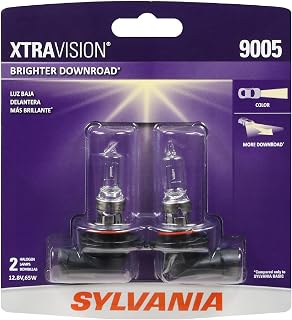


As an Amazon Associate we earn from qualifying purchases at no extra cost to you. Product prices and availability are accurate as of the date shown and are subject to change.
🛒 Best Price Today on Amazon
Prime members get fast, free shipping on everything above, plus member-only deals. New members get a 30-day free trial — cancel anytime.
How to Choose the Right Best Headlamp Bulbs
Replaceable bulbs disappeared from headlamps once LEDs became cheap and efficient, so the modern equivalent is the emitter soldered onto the board. Comparing the best headlamp bulbs today means comparing emitter count, colour rendering and the optics in front of them rather than shopping for spares.
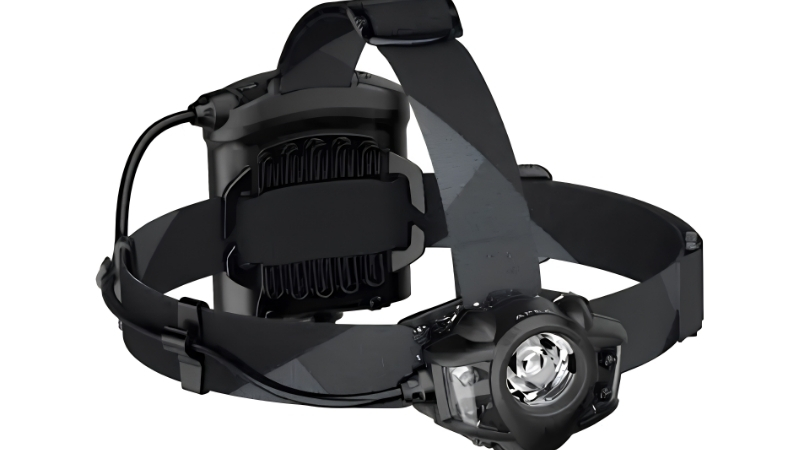
Why Replaceable Bulbs Have Largely Disappeared
Older headlamps used krypton or halogen bulbs that burned out regularly, which is why spares were sold alongside them. Those bulbs drew far more power for far less light and ran hot enough to be a genuine hazard inside a small housing pressed against a hat or a hood in cold weather.
LED emitters solved all of that at once, running for tens of thousands of hours on a fraction of the power. The consequence is that they are now permanently mounted, so choosing an emitter means choosing a whole lamp. Anyone searching for spare bulbs is almost always looking at an obsolete lamp.
Emitter Count and Colour Change What You See
Single emitter lamps concentrate output into one beam, which throws further and suits reading ground at distance. Multiple emitters spread light more evenly across a wide area, which is far more comfortable for tasks close to hand such as cooking, pitching a tent or working on gear after dark.
Colour temperature matters more than most people expect. Cool white emitters look brighter on paper but wash out detail and reflect harshly off rain and mist. Neutral or high colour rendering emitters show ground texture and colour far more naturally, which genuinely helps on technical terrain.
Optics, Red Modes and Regulated Output
The lens or reflector in front of the emitter decides whether output becomes a tight spot or a broad flood. A smooth reflector throws distance, a textured or diffused lens spreads light evenly, and lamps offering both give you the flexibility that no single emitter choice can deliver on its own.
A red mode is worth having because it preserves night vision and avoids waking anyone in a shared tent. Regulated output matters too, holding constant brightness until the cell drops rather than dimming gradually, which is far more predictable when planning how long a light will actually last.
Top Picks for the Best Headlamp Bulbs and Emitters
The best headlamp bulbs available now are the emitters built into these five lamps, chosen because each represents a distinct approach to lighting rather than simply a different lumen figure. The table compares them at a glance, then each entry explains what that emitter setup does well.
| Headlamp | Emitter setup | Max output | Red mode | Best for |
|---|---|---|---|---|
| Nitecore NU25 UL | Triple, mixed | 400 lumens | Yes | Lightweight versatility |
| Black Diamond Spot 400 | Spot and flood | 400 lumens | Yes | All-round camping |
| Fenix HM65R-T | Dual, spot plus flood | Around 1500 lumens | No | Distance and durability |
| Petzl Tikkina | Single, flood | 300 lumens | No | Simple camp tasks |
| Petzl Actik Core | Mixed beam | 600 lumens | Yes | Rechargeable all-rounder |
Nitecore NU25 UL
The NU25 UL packs three separate emitters into a housing weighing barely more than a set of keys, offering a spot beam for distance, a flood for close work and a red mode for tent use. That combination covers almost every camp lighting job without carrying a second light for any of them.
The tiny size means the battery is small, so sustained high output drains it quickly and the lamp is best treated as a low and medium tool. The band is minimal and less comfortable over long periods than a padded one. As an ultralight lamp with genuine emitter flexibility, it is exceptional.
Black Diamond Spot 400
The Spot 400 is the sensible all-rounder, pairing a spot emitter for throw with a separate flood for close tasks and adding a red night vision mode. Four hundred lumens is enough for camp work and moderate trail, and the lock mode stops it draining in a pack, which is a genuinely useful detail.
Battery life at full output is short, as with any lamp this size, and the touch-sensitive brightness control takes practice before it feels natural. The housing is bulkier than minimalist lamps. For a single headlamp covering camp chores, night hikes and reading in a tent, it remains the safe choice.
Fenix HM65R-T
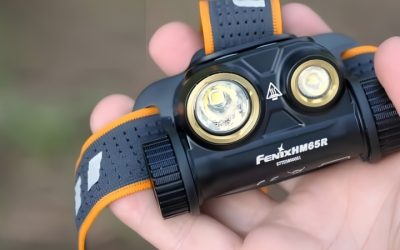
Fenix approaches this from the torch world, running two separate emitters, one tuned for distance and one for flood, in a magnesium alloy body. The spot beam throws considerably further than anything else here, which matters when you need to identify ground or a trail marker well ahead of you.
It is heavy, the boxy front housing bounces if you move quickly, and there is no red mode, which is a real omission for shared tents. The interface is also more complex than necessary. Where durability, throw and a user-replaceable cell matter most, it outlasts lighter alternatives comfortably.
Petzl Tikkina
The Tikkina is the argument that most people need far less lamp than they buy. A single flood emitter at three hundred lumens lights a tent, a cooking area and a short walk to the vehicle perfectly well, and running on AAA cells means a spare set solves any battery problem instantly.
There is no spot beam, no red mode and no rechargeable option in the base version, so it is poorly suited to trail running or anything requiring distance. The simplicity is the point. As a cheap, reliable camp lamp that anyone can operate with one button, it is difficult to improve on.
Petzl Actik Core
The Actik Core combines a mixed beam with six hundred lumens and the CORE rechargeable battery, while also accepting three AAA cells as a fallback. That dual compatibility is the standout feature, turning a flat battery on a long trip into a minor inconvenience rather than a serious problem.
All the weight sits at the front, so it presses on the forehead more than rear-battery designs during long use, and the headband is functional rather than comfortable. It is also pricier than simpler lamps. For one lamp handling camp, trail and emergencies, the emitter and battery combination is well judged.
Costs and Seasonal Timing for Lighting
Lighting sits in the electronics category, facing both component cost pressure and a sharp seasonal demand curve. Anyone shopping for the best headlamp bulbs and emitters now is buying ahead of the autumn rush rather than into it, which is worth understanding before settling on a model.
Metal and Component Costs Have Risen
An Outdoor Industry Association survey found 84 percent of member businesses expect to be affected by new tariffs, with overall input costs up roughly 7.7 percent. Headlamps combine aluminium and magnesium housings, lithium cells and moulded plastics, all sitting in categories facing duties or freight increases.
Brands have described forward pricing as provisional while trade conditions settle, and inflation near 4.2 percent is tightening spending on non-essential kit. That is no argument for rushing, but a lamp already on your shortlist is unlikely to become cheaper across the next several restock cycles.
Darker Evenings Arrive Quickly From Late August
Evening light shortens noticeably through the second half of August, and everyone who waits for their first genuinely dark camp or commute ends up shopping in the same fortnight. Buying now means choosing from full stock rather than whatever is left once the seasonal demand has passed through.
Early buying also gives time to learn the lamp properly. Working out which mode you actually use, how long the cell lasts at that setting, and whether the red mode is bright enough for tent use is far better done now than discovered halfway through a dark evening in November.
Shortlist Before the Autumn Deal Window
If the budget can wait, pick a specific model and track its price rather than browsing blind in November. Amazon runs early promotions ahead of its October event, and the late November window remains the deepest discount period of the year for lighting and camping accessories generally.
Follow one lamp rather than the category, because headlamp discounts often land on discontinued output ratings or last season’s housing colours. Knowing what your chosen model normally sells for is the only reliable way to separate a genuine reduction from old stock at a repackaged price.
Frequently Asked Questions
Questions about the best headlamp bulbs almost always start from the assumption that bulbs can still be swapped, then move to emitter types and colour. The answers below reflect how modern LED headlamps are actually built and how they behave across a season of ordinary outdoor use.
Can I replace the bulb in a modern headlamp?
Almost never. LED emitters are soldered directly to the circuit board and rated for tens of thousands of hours, so manufacturers do not design them to be swapped. If a lamp has genuinely stopped producing light, the fault is usually the battery, the switch or the driver rather than the emitter.
What does high CRI mean and does it matter?
Colour rendering index describes how naturally a light shows colour. High CRI emitters make ground texture, blood on a trail and map detail far easier to read, at the cost of slightly lower measured output. For anything requiring visual judgement in the dark, the trade is usually worth making.
Is a red mode genuinely useful?
Yes, for two reasons. Red light preserves night vision, so your eyes stay adapted to the dark instead of resetting every time you switch on. It also avoids waking tent companions. Any lamp intended for camping rather than pure trail running benefits noticeably from having one.
Do more lumens always mean a better lamp?
No, and this is the most common mistake in the category. Beam shape, colour rendering and regulated output affect what you can actually see far more than a peak figure that most lamps sustain only briefly. A well-designed four hundred lumen lamp regularly outperforms a poor thousand lumen one.
Related Guides
Final Thoughts
Searching for the best headlamp bulbs now means choosing an emitter setup rather than a spare part, since replaceable bulbs belong to an earlier generation of lamps. Multiple emitters for camp versatility, a strong spot for distance, a red mode for tents. Judge the beam rather than the lumen figure.


Write Your Review
No reviews yet. Be the first to share your experience!